»Resumes and CVs
Foundation of Your Career Toolkit
If you had 10 seconds (or less) to tell an employer your professional story, what would you choose to say and how would you convey it most effectively?
Your resume is an important self-marketing piece, and you need it to stand out from
crowd as you apply for job and internship opportunities. It needs to capture the reader’s attention quickly, often in less than 10 seconds. No pressure, right?
Fortunately, you can craft an organized, concise and well-designed resume using these
resources!
On-Demand Resources
Appointments
Chapman Career AI (powered by VMock) AI Resume Feedback
Chapman Career AI (powered by VMock) is a virtual resume reviewing platform powered by Artificial Intelligence to instantaneously review resumes and provide real-time feedback and suggestions. You can also optimize your resume to specific job postings using the embedded “resume optimization” feature in Chapman Career AI.
VMock AI Resume Feedback
How to manage your Handshake documents, including your resume Hard vs. Soft Skills & Relevant Industries
Resumes vs. CVs
The main difference between a resume and a curriculum vitae (CV) is that a CV is usually focused more on academic achievements such as presentations, research, etc. Like a resume, you need to provide your name and contact information, education and work experience. However, a CV also details your areas of interest, grants or honors that you have been awarded, publications and scholarly or professional memberships. CVs typically do not have to adhere to a page limit and include more experiences. CVs are most common in educational and academic industries and are less common for the majority of your applications in other industries. CVs are also more widely used in other countries outside of the United States.
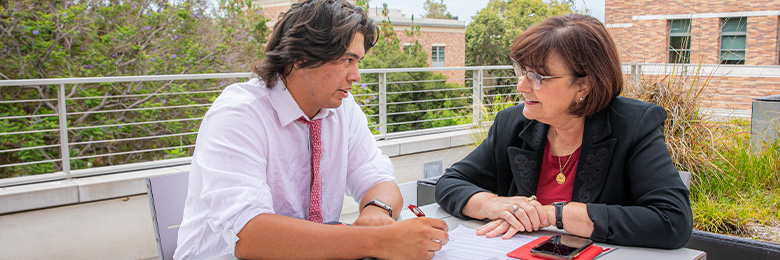
Make an appointment with your Career Team to discuss your resume or CV!
More Tips for Resumes

What to Put on Your Resume Without “Professional Experience”
How to Win Summer...The Career Office Way (Transferable Skills)
Career & Professional Development
Phone(714) 997-6942Emailcareer@chapman.eduHours
Monday - Friday
8 a.m. - 5 p.m.
Appointments
Both virtual and in-person career appointments are available for students and alumni.
Schedule career appointments via Handshake »
Events
Explore upcoming career events on Handshake or events.chapman.edu
Links
Meet the Team »
Handshake »
Career Blog »Address Career House
342 N. Glassell
Orange, CA 92866
View Map