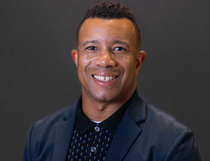
»Faculty Ombudsperson
Independent | Confidential | Neutral | Informal
The Chapman University Faculty Ombudsperson provides faculty members with an independent, confidential, neutral, and informal resource for navigating university-related concerns. The individual supports a campus culture rooted in civility and ethical practice, offering a private place to discuss issues off the record and explore possible options for addressing concerns through respectful dialogue. The Ombudsperson adheres to the International Ombudsman Association (IOA) Standards of Practice and Code of Ethics, which serve as the governing framework for all organizational ombudsman programs worldwide.
When to Contact the Ombudsperson
Faculty are encouraged to reach out when experiencing:
- Interpersonal conflict
- Concerns about workplace issues or interpersonal treatment
- Challenges navigating university systems
- Communication difficulties
- Uncertainty about policies or processes
- Situations requiring private, confidential consultation
Confidentiality Notice
The Ombudsperson is an independent, confidential, neutral, and informal resource. They are not authorized to receive notice of complaints or claims on behalf of Chapman University. Sharing a complaint or claim with the Ombudsperson does not put Chapman on notice, under the law or policy, of the complaint or claim.
Responsibilities
- The Ombudsperson is an impartial dispute resolver who strives to improve communication and address concerns informally by listening, clarifying issues, and identifying options for consideration.
- The Ombudsperson serves as a neutral facilitator who assists parties in exploring options and understanding relevant policies.
- The Ombudsperson can assist with confidential consultation, coaching for conversations, facilitating one-on-one or small-group discussions and providing system-level feedback to the university without identifying individuals.
- The Ombudsperson is independent of the university administration and does not hold decision-making authority.
- The Ombudsperson may provide information about university policies and campus resources and provide referrals to university services and programs.
- The Ombudsperson adheres to the ethics and standards of practice of the International Ombudsman Association.
- The Ombudsperson does not replace, substitute, or participate in any formal grievance process.
- Consistent with the principles of the IOA, the Ombudsperson does not voluntarily testify, participate, or provide documents in internal or external legal, administrative, or grievance proceedings, and does not maintain records for use in such proceedings. The Ombudsperson responds to legal process only as required by applicable law. Faculty may consult with the Ombudsperson without fear of retaliation or reprisal.
Limitations
Consistent with IOA Standards, the Ombudsperson:
- Does not conduct investigations.
- Does not participate in or influence grievance or disciplinary processes.
- Does not determine wrongdoing or assign blame.
- Does not make or overturn university decisions.
- Does not act as an advocate for any party.
- Does not create or maintain formal case records for the university.
- Is not authorized to accept notice of claims against the university.
Defining IOA Principles
The Ombudsperson’s work is guided by the four defining IOA principles.
- Independence: The Ombudsperson functions independently from university administrative and compliance structures.
- Confidentiality: Confidentiality is the cornerstone of Ombuds practice. Confidentiality is maintained
to the extent permitted by law, with limited exceptions, including situations involving
an imminent risk of serious harm. The IOA requires:
- All communications are confidential.
- Records with identifying information are not retained.
- The Ombuds may not voluntarily testify or provide records in any internal or external formal proceedings and responds to legal process to the extent required by law.
- The privilege of confidentiality belongs to the Ombudsperson, not to the visitor.
- The only exception is imminent risk of serious harm.
- Communications with the Ombudsperson do not constitute formal reporting.
- Neutrality and Impartiality: The Ombudsperson is a designated neutral who does not take sides and advocates only for neutral and informal processes, not for individuals. The Ombudsperson holds no other roles at Chapman that could compromise impartiality. The Ombudsperson does not participate in or influence grievance procedures, investigations, or determinations of wrongdoing.
- Informality: The Ombudsperson provides informal assistance as an alternative to formal channels.
The Ombudsperson:
- Operates off the record.
- Does not participate in any formal complaint or grievance processes.
- Does not accept formal notice.
- Is not a designated reporting agent.
- Is not the person to file formal complaints with.
- Does not constitute notice to the university.
- Offers coaching, mediation, and options development instead of formal procedures.
- May not voluntarily participate in grievance, disciplinary, or complaint proceedings and responds to legal or administrative process only as required by law.