 Hagop Atamian
Associate Professor
atamian@chapman.eduDr. Atamian studies the molecular mechanisms that regulate biological processes using
an interdisciplinary approach that integrates molecular biology, genetics, genomics,
chemistry, and machine learning. He applies these insights to challenges in agriculture,
health, and climate resilience, including plant drought tolerance and cancer therapy
resistance. Visit the
Atamian Lab website for more information.
 Jean-Louis Bru
Assistant Professor; Instructional Faculty
bru@chapman.eduDr. Jean-Louis Bru’s teaching philosophy focuses on a personalized approach to teaching,
emphasizing critical thinking and problem-solving to help students thrive academically
and professionally. He teaches primarily microbiology, immunology, and cell biology.
He is also a Faculty Fellow for the
Center for Teaching Excellence and Innovation, promoting faculty development and innovative course design.
 Douglas Fudge
Professor; Program Director
fudge@chapman.eduDr. Fudge investigates the biophysics of marine animals, including hagfish defense,
hagfish slime properties, and biomimetic applications. He teaches the Biology capstone
and upper‑division courses in physiology and biomechanics. You can learn more about
his research
here.
 Rebecca Glineburg
Assistant Professor
glineburg@chapman.eduDr. Glineburg uses Drosophila to study cellular stress pathways in oocyte and brain
development and their links to disease. She teaches molecular genetics, developmental
biology, and genetics labs, with a focus on human genetic disorders.
 Gregory Goldsmith
Associate Professor, Associate Dean of Research and Development
goldsmit@chapman.eduDr. Goldsmith is a plant physiological ecologist who examines terrestrial water and
carbon fluxes. His research spans Costa Rica, Panama, Mexico, Peru, and Switzerland.
He teaches plant physiological ecology and environmental remote sensing.
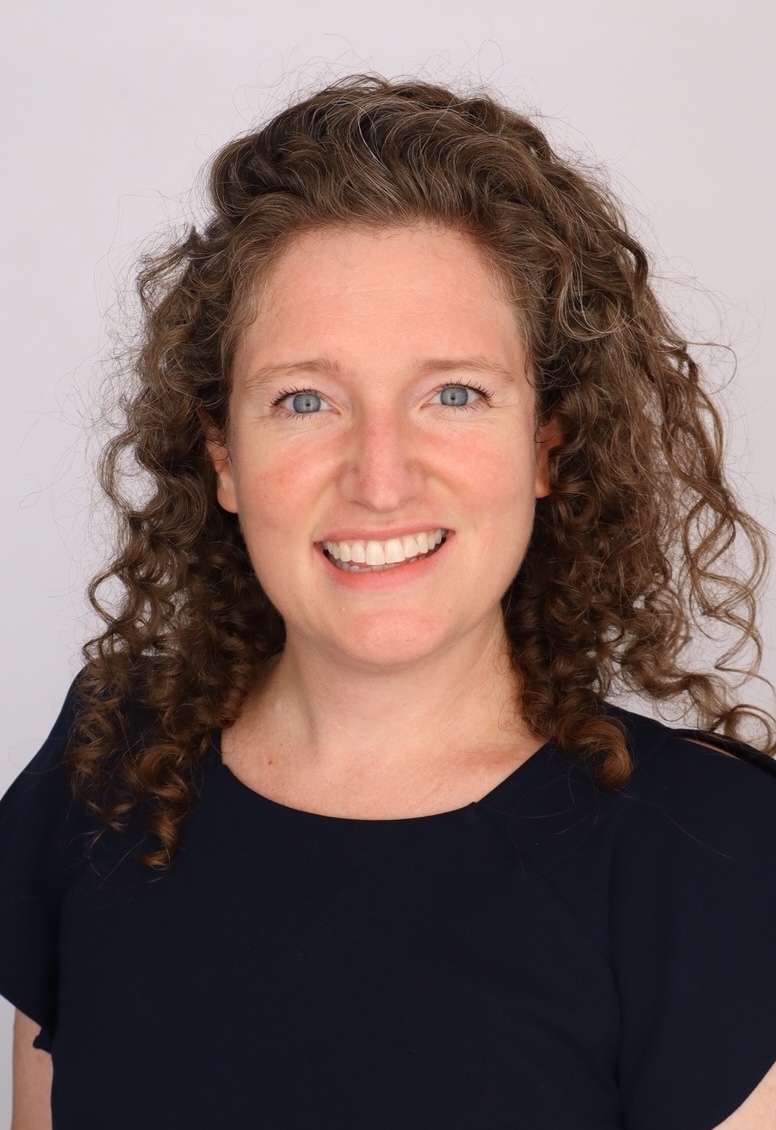 Kate Hill
Assistant Professor, Director of Student Success; Instructional Faculty
kathill@chapman.eduDr. Hill is the director of student success in Schmid College and teaches introductory
biology and ecology labs. Her advanced lab courses are designed as course-based undergraduate
research experiences, where students investigate constructed wetlands and native California
shrubs under climate-induced heat stress. Dedicated to inclusive teaching, she provides
authentic research opportunities in her courses.
 Jeremy Hsu
Associate Professor
hsu@chapman.eduDr. Hsu is a biology education researcher whose
research group seeks to improve STEM teaching and learning. Previously trained in evolutionary genetics,
he teaches courses in molecular genetics, evolution, and beyond. He also serves as
assistant director of undergraduate research and creative activities at
Chapman’s Center for Undergraduate Excellence.
 Patricia C. Lopes
Associate Professor
lopes@chapman.eduDr. Lopes is a behavioral neuroendocrinologist who investigates animal social behavior
with emphasis on disease transmission, exploring how social interactions shape health
outcomes.
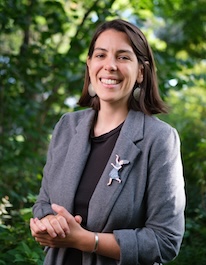 Christine O'Connell
Assistant Professor
coconn@chapman.eduDr. O’Connell is an ecosystem ecologist and global change scientist. Her research
asks questions about how climate change and land use change are altering the carbon,
nitrogen, and phosphorus cycles in terrestrial ecosystems, and what this means for
the future of climate. She teaches various courses focused on ecology and global change,
and focuses on interdisciplinary and hands-on learning in her classes.
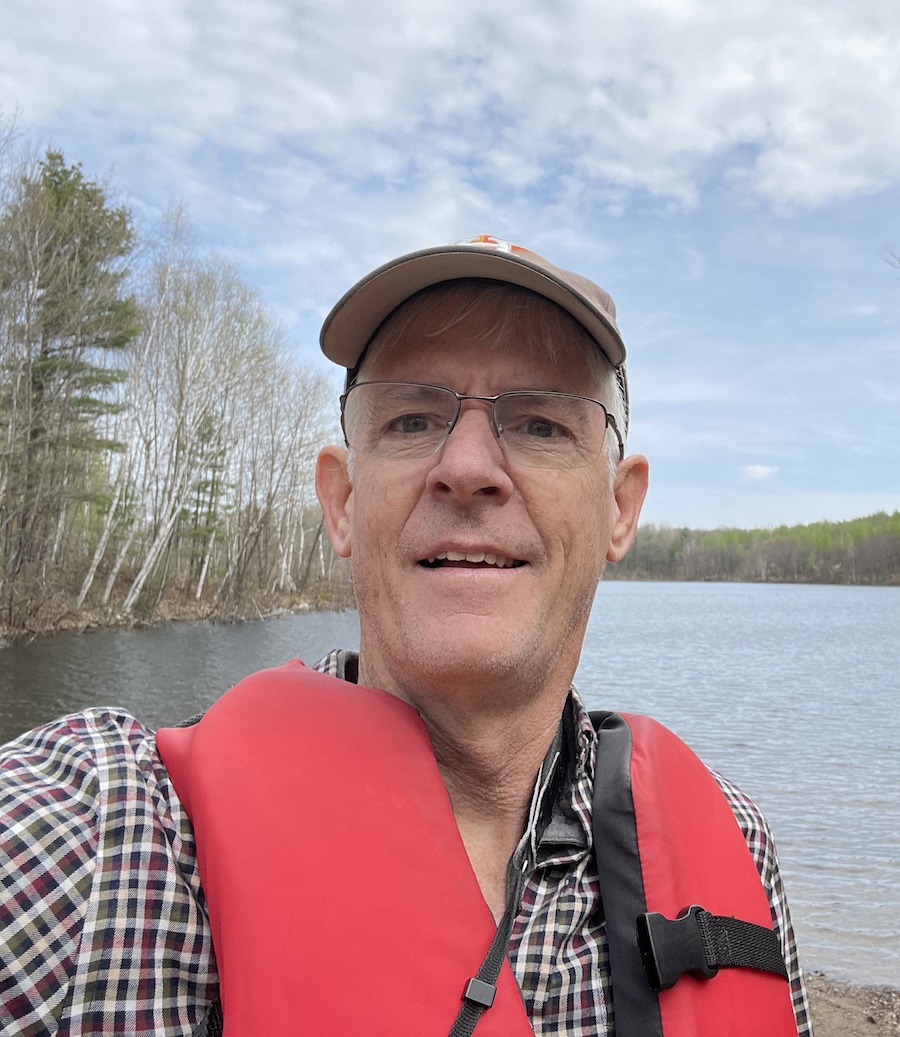 Walter Piper
Professor
wpiper@chapman.eduDr. Piper leads long‑term research on loon territoriality, breeding, and population
dynamics in Wisconsin and Minnesota. He teaches evolution/ecology in the intro sequence
and also Ornithology and Animal Behavior.
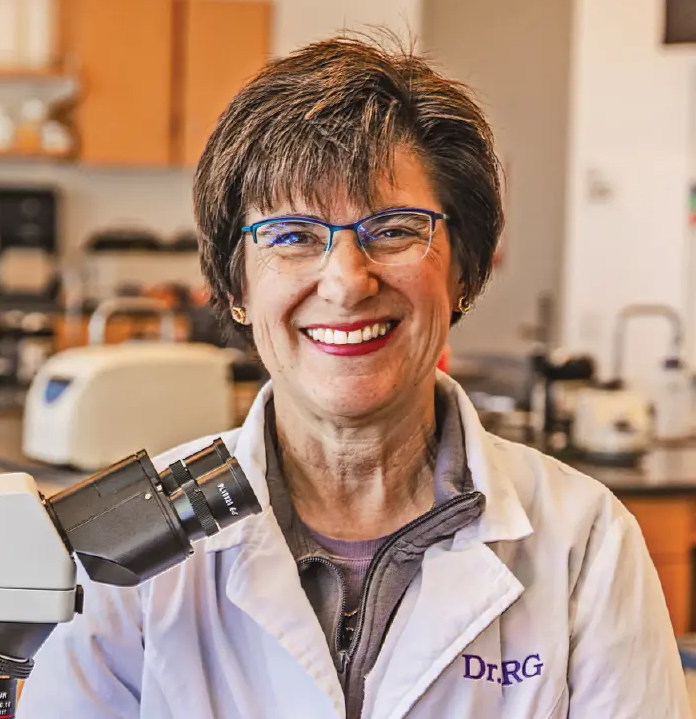 Melissa Rowland-Goldsmith
Professor; Instructional Faculty
rowlandg@chapman.eduDr. Rowland-Goldsmith teaches molecular genetics, cancer biology, and a service-learning
course in which students design and deliver science lessons to youth in the community.
Her innovative, experiential approach to teaching integrates science communication
with community engagement, empowering students to connect STEM learning with meaningful
real-world impact.
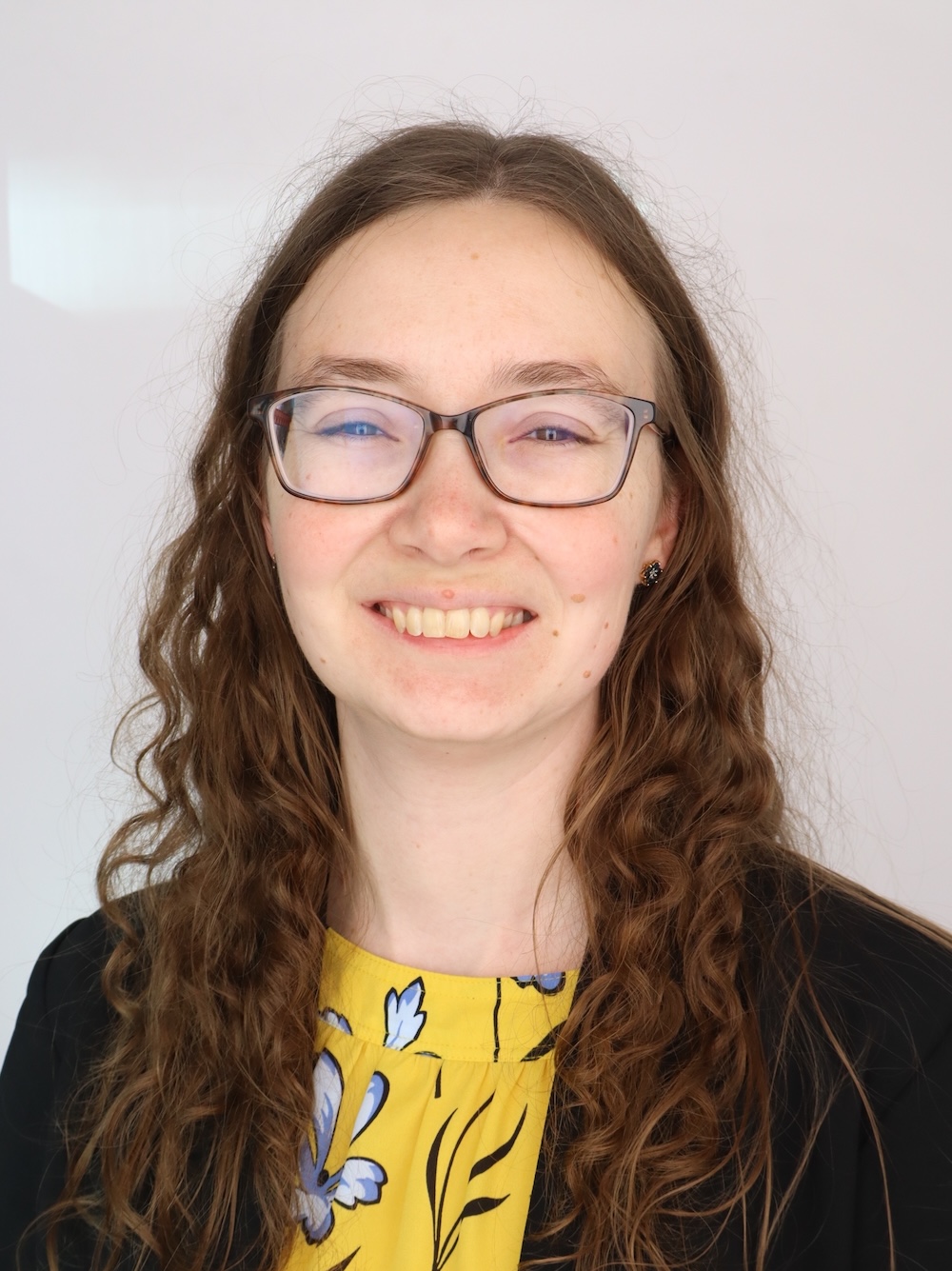 Kristianna Sarkan
Assistant Professor; Instructional Faculty
sarkan@chapman.eduDuring her PhD, Dr. Sarkan researched mRNA processing regulation and developed an
appreciation for how molecular mechanisms affect all areas of biology. She now shares
her love for biology with her students as an instructional assistant professor at
Chapman where she teaches a range of classes including introductory biology, molecular
genetics, microbiology, and marine biology.
 Carolyn Sherff
Associate Professor, Instructional Faculty; Associate Program Director
sherff@chapman.eduDr. Sherff teaches general biology and upper‑division neuroanatomy and neurophysiology
and serves as Associate Program Director. Her research background is in the synaptic
mechanisms of learning and memory in Aplysia.
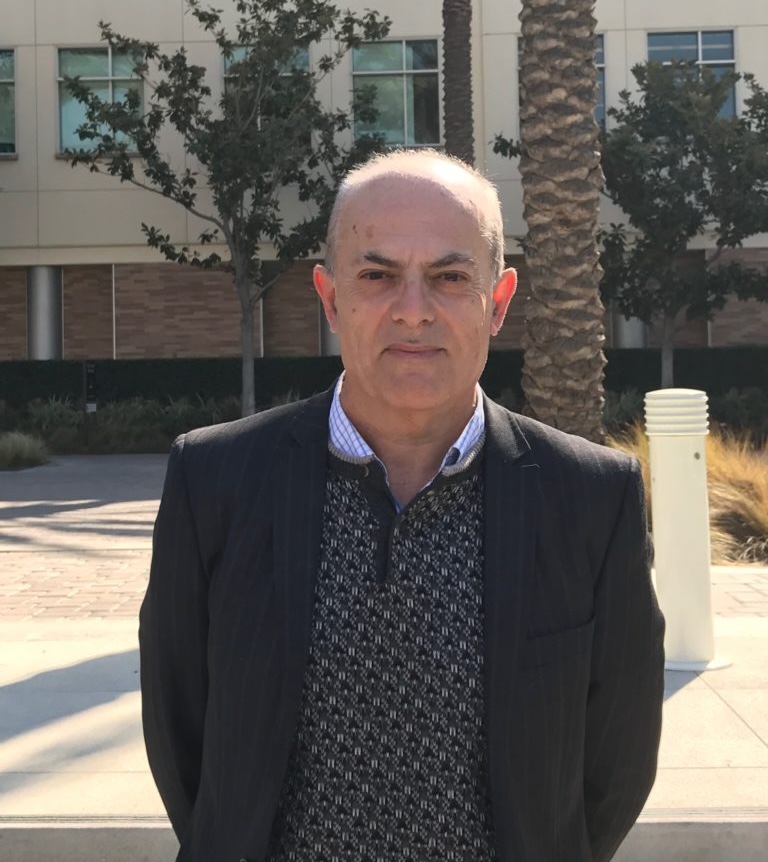 Gennady Verkhivker
Professor
verkhivk@chapman.eduDr. Verkhivker specializes in computational biology, drug discovery, and AI‑driven
biomedical research. He leads the QBCI lab and has over 300 publications, contributing
widely to structural biology and translational oncology.
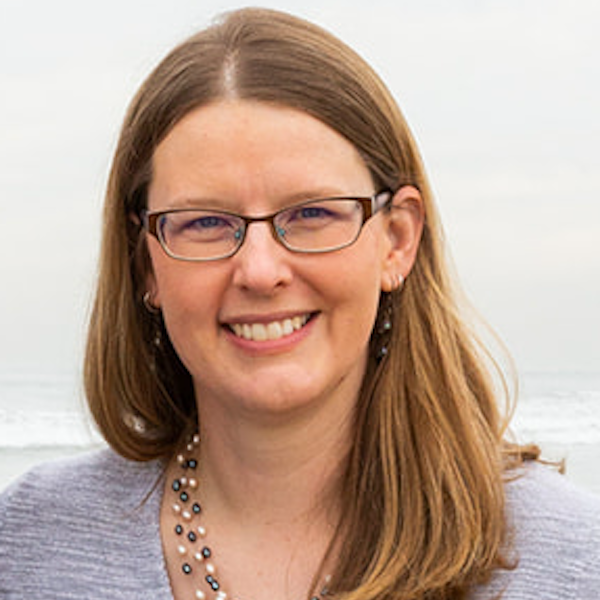 Lindsay Waldrop
Assistant Professor
waldrop@chapman.eduDr. Waldrop studies fluid‑structure interactions in biological systems, including
odor capture, scent detection, and early heart development. Her background spans biology
and mathematical modeling.
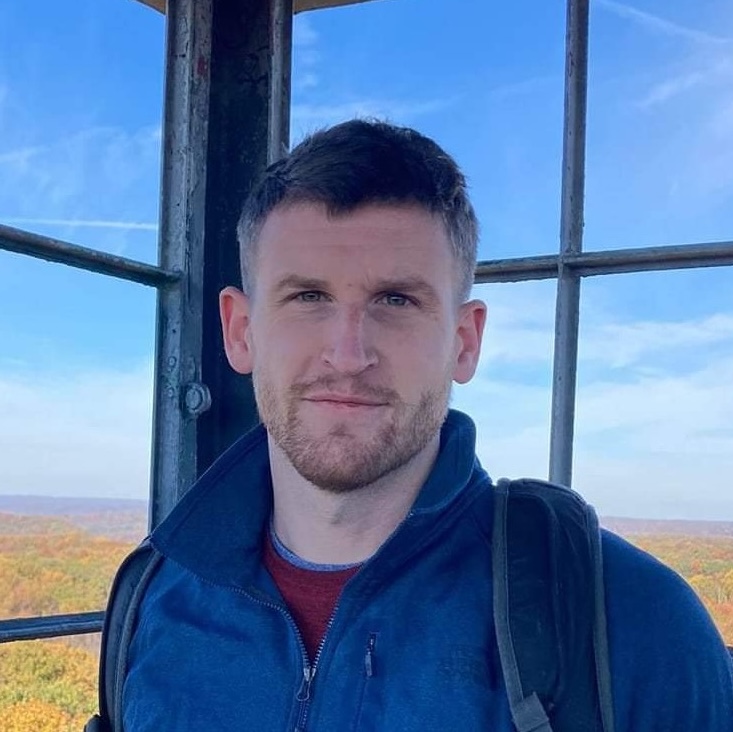 Joseph Waterton
Assistant Professor
waterton@chapman.eduDr. Waterton is an instructional assistant professor specializing in ecology, evolutionary
biology, and global change. His teaching and research career spans the UK, San Diego,
Indiana, and Orange.
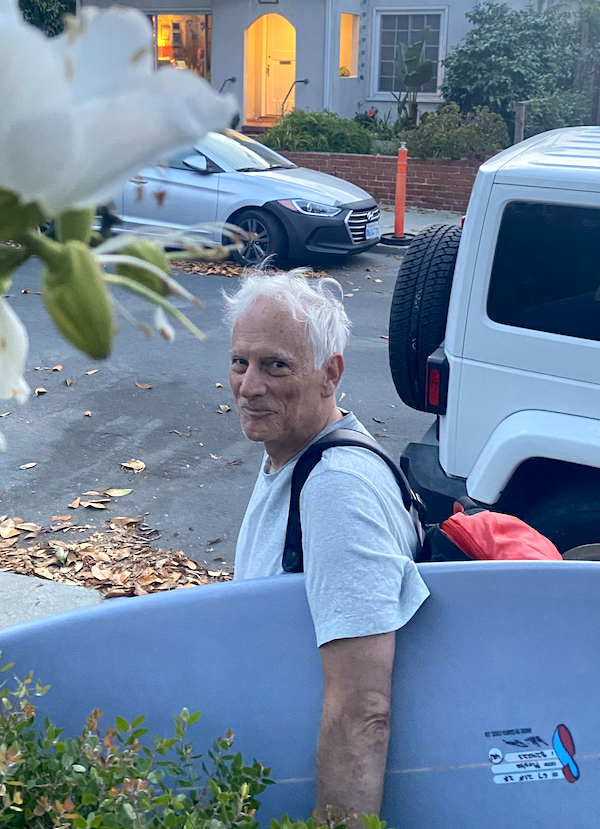 William Wright
Associate Professor
wwright@chapman.eduDr. Wright studies marine invertebrate behavior and predator‑prey interactions. He
also investigates molecular mechanisms of territorial behavior in the owl limpet.
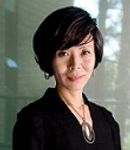 Susan Yang
Professor
kyang@chapman.eduDr. Yang specializes in electrophysiology and computational neuroscience, and investigates
ion channels and allosteric modulators on the function of neurotransmitters in the
brain. She teaches a general education course in computational sciences and upper-level
courses in computational neuroscience. Her research is carried out at the Institute
for Earth, Computing, Human, and Observing (ECHO) at Chapman University.
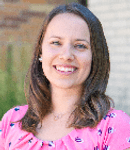 Cassandra Zalman
Associate Professor, Director of Academic Programs; Instructional Faculty
medvedef@chapman.eduDr. Zalman studies regulators of anaerobic microbial decomposition in wetlands, examining
controls on ecosystem processes.