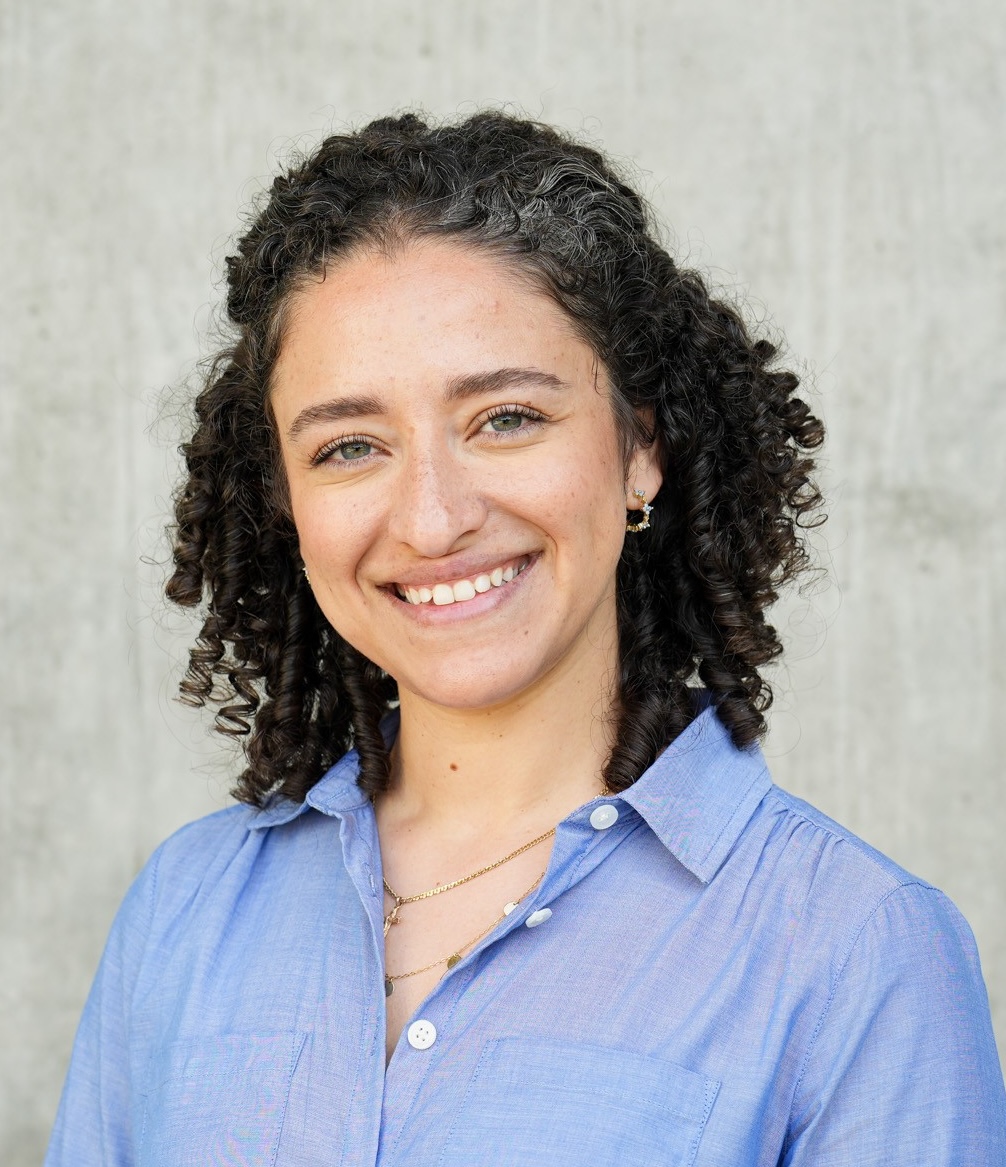
Dr. Magy A. Mekhail
Assistant Professor
Chemistry, Schmid College of Science and Technology
Office Location: Keck Center for Science and Engineering 352
Email: mekhail@chapman.edu
- Scholarly Works:
- Magy A. Mekhail Ph.D. - Google Scholar
- Education:
- Texas A & M University, Bachelor of Science
Texas Christian University, Ph.D.
Biography
Dr. Mekhail earned her Ph.D. in Inorganic Chemistry from Texas Christian University
(TCU) where she conducted research under the mentorship of Professor Kayla Green.
Her dissertation focused on synthesizing and characterizing transition metal pyridine-containing
complexes for both catalytic and therapeutic applications. Through these projects,
she developed a strong foundation in organic and inorganic synthesis, as well as expertise
in spectroscopic techniques and physical inorganic chemistry. These experiences have
equipped me to explore the thermodynamic stability and kinetic behavior of metal complexes,
skills that will be integral to the research she plans to develop at Chapman University.
After graduation, Dr. Mekhail took a postdoctoral scholar position at the University of California, Irvine, in the
laboratory of Professor Jenny Yang. Her research focused on designing novel metal-ligand
complexes for catalytic applications, including CO₂ capture and conversion. This work
allowed her to develop novel methods for synthesizing water-soluble catalysts and
expand my expertise in electrochemistry and catalysis.
Research Interests:
The Mekhail Synthetic Lab (located in Keck Center for Science and Engineering 333) focuses on inorganic catalyst design to address varies environmental challenges through the following projects:
-
Metal-Ligand Cooperative Catalysis for Sustainable Hydrogenation: We design earth-abundant metal complexes (Fe, Mn, Co) with strategically modified ligands t for efficient catalytic hydrogenation in renewable energy applications.
-
Molecular Electrocatalysis for PFAS Degradation : We develop nature-inspired cobalt-based electrocatalysts to break down persistent environmental contaminants like PFAS through C-F bond activation.
Teaching:
- Organic Chemistry I (CHEM230)
- Organic Chemistry II (CHEM331)