Kristi Lippire – Stepanova Project: Color as Form
»A Kristi Lippire Exhibit
Stepanova Project: Color as Form
Kristi Lippire – Stepanova Project: Color as Form is presented as part of Chapman University’s Engaging the World series, Building Resilient Futures, addressing the intersections of art, labor, and environmental consciousness.
Kristi Lippire – Stepanova Project: Color as Form
Installation view
Kristi Lippire – Stepanova Project: Color as Form
Installation view
Kristi Lippire – Stepanova Project: Color as Form
Installation view
Kristi Lippire – Stepanova Project: Color as Form
Installation view
Kristi Lippire – Stepanova Project: Color as Form
Installation view
Kristi Lippire – Stepanova Project: Color as Form
Installation view
Kristi Lippire – Stepanova Project: Color as Form
Installation view
Kristi Lippire – Stepanova Project: Color as Form
Installation view
Kristi Lippire – Stepanova Project: Color as Form
Installation view
Kristi Lippire – Stepanova Project: Color as Form
Installation view
Kristi Lippire – Stepanova Project: Color as Form
Installation view
Kristi Lippire – Stepanova Project: Color as Form
Installation view
Kristi Lippire – Stepanova Project: Color as Form
Installation view
Kristi Lippire – Stepanova Project: Color as Form
Installation view
Kristi Lippire – Stepanova Project: Color as Form
Installation view
Kristi Lippire – Stepanova Project: Color as Form
Installation view
Kristi Lippire – Stepanova Project: Color as Form
Installation view
Kristi Lippire – Stepanova Project: Color as Form
Installation view
Kristi Lippire – Stepanova Project: Color as Form
Installation view
Kristi Lippire – Stepanova Project: Color as Form
Installation view
Kristi Lippire – Stepanova Project: Color as Form
Installation view
Kristi Lippire – Stepanova Project: Color as Form
Installation view
Kristi Lippire – Stepanova Project: Color as Form
Installation view
Kristi Lippire – Stepanova Project: Color as Form
Installation view
Kristi Lippire – Stepanova Project: Color as Form
Installation view
Kristi Lippire – Stepanova Project: Color as Form
Installation view
Kristi Lippire – Stepanova Project: Color as Form
Installation view
Kristi Lippire – Stepanova Project: Color as Form
Installation view
Kristi Lippire – Stepanova Project: Color as Form
Installation view
Kristi Lippire – Stepanova Project: Color as Form
Installation view
Kristi Lippire – Stepanova Project: Color as Form
Installation view
Kristi Lippire – Stepanova Project: Color as Form - Press Release
Kristi Lippire – Stepanova Project: Color as Form
August 25–October 3, 2025
Guggenheim Gallery, Chapman University
Kristi Lippire – Stepanova Project: Color as Form is presented as part of Chapman University’s Engaging the World series, Building
Resilient Futures, addressing the intersections of art, labor, and environmental consciousness.
The Guggenheim Gallery at Chapman University is thrilled to present Kristi Lippire
— Stepanova Project:Color as Form, a solo exhibition by Los Angeles–based sculptor
and educator Kristi Lippire. First developed during a 2019 artist residency at the
Fabrika Center for Creative Industries in Moscow, the project is now shown in an expanded
version that deepens its investigation into how chromatic expression, design history,
and feminist critique reimagine architectural forms and urban memory. Realized for
the first time in the United States, the exhibition is hosted in conjunction with
Wilkinson College’s 2025 Engaging the World series, Leading the Conversation on the
Environment and Building Resilient Futures.
Kristi Lippire — Stepanova Project: Color as Form takes as its point of departure
the formal legacies of Soviet Constructivism, particularly the pioneering work of
Russian artist and designer Varvara Stepanova. Lippire juxtaposes Stepanova’s legacy
with her own perspective on the pragmatic material culture of contemporary Los Angeles,
creating a transhistorical and transnational dialogue between two distinct urban contexts
and their respective political ideologies, aesthetic strategies, and environmental
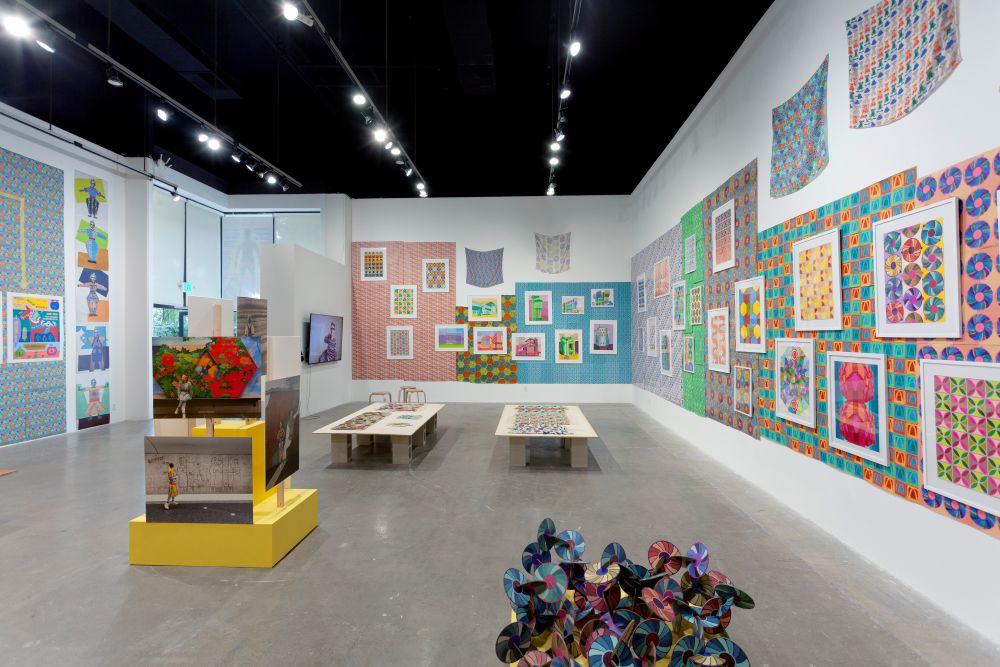
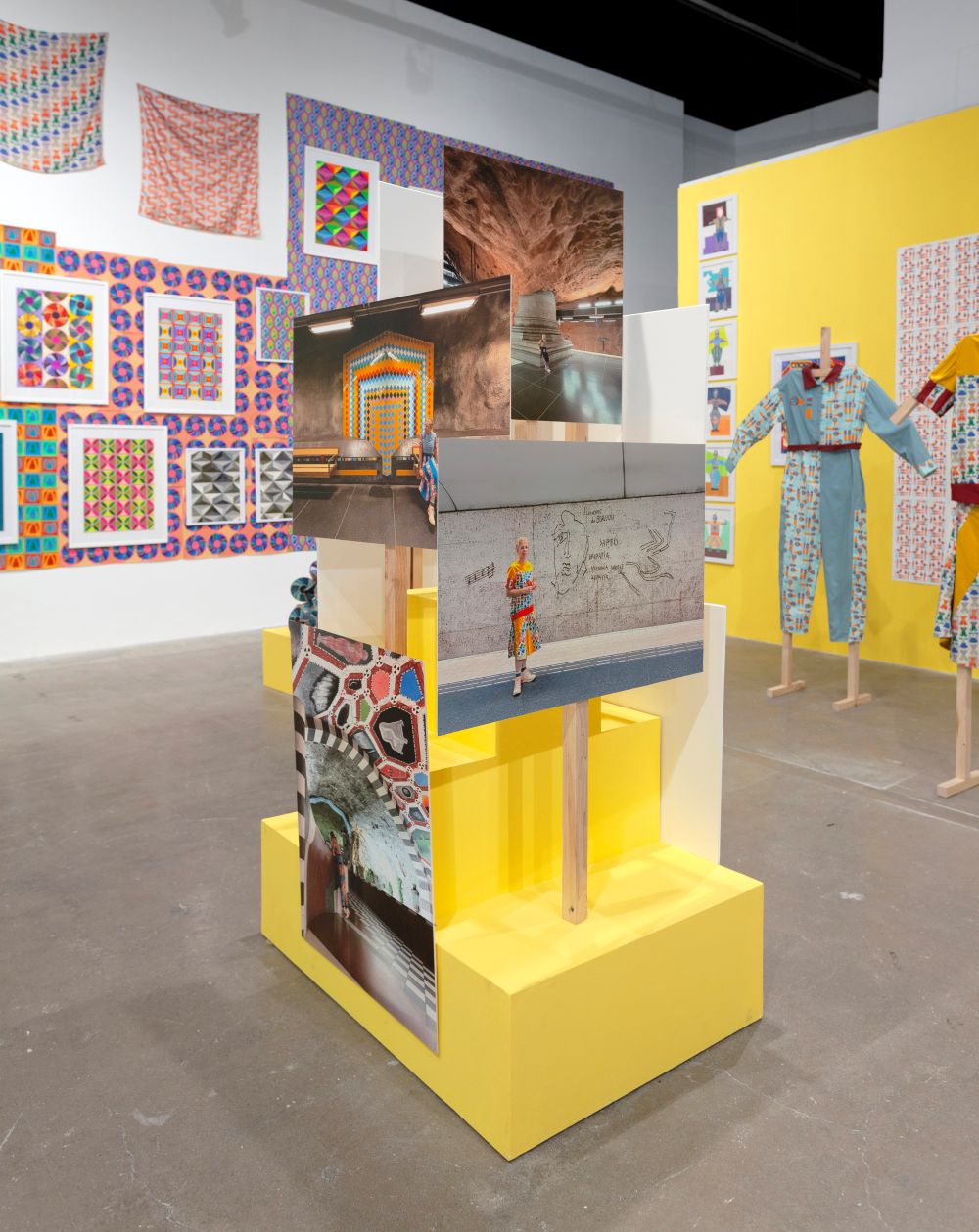
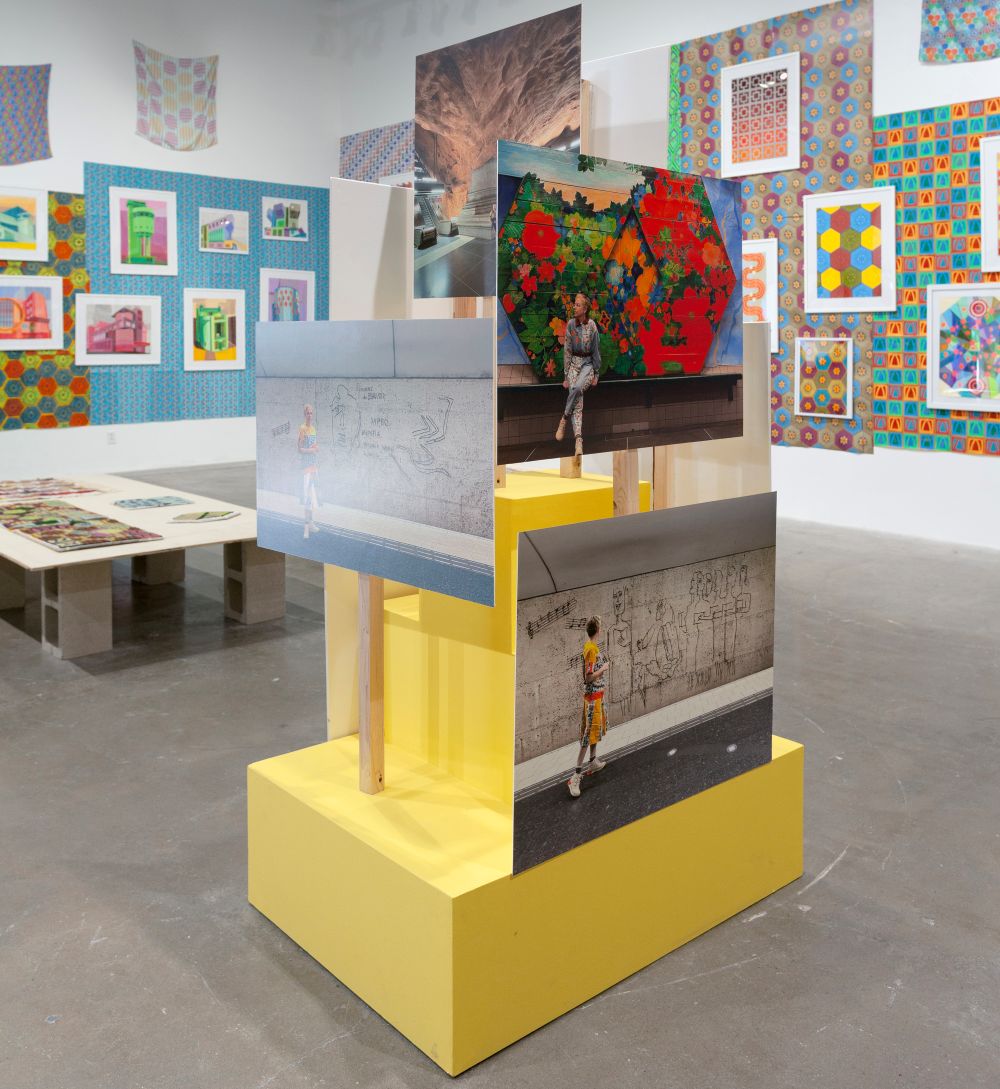
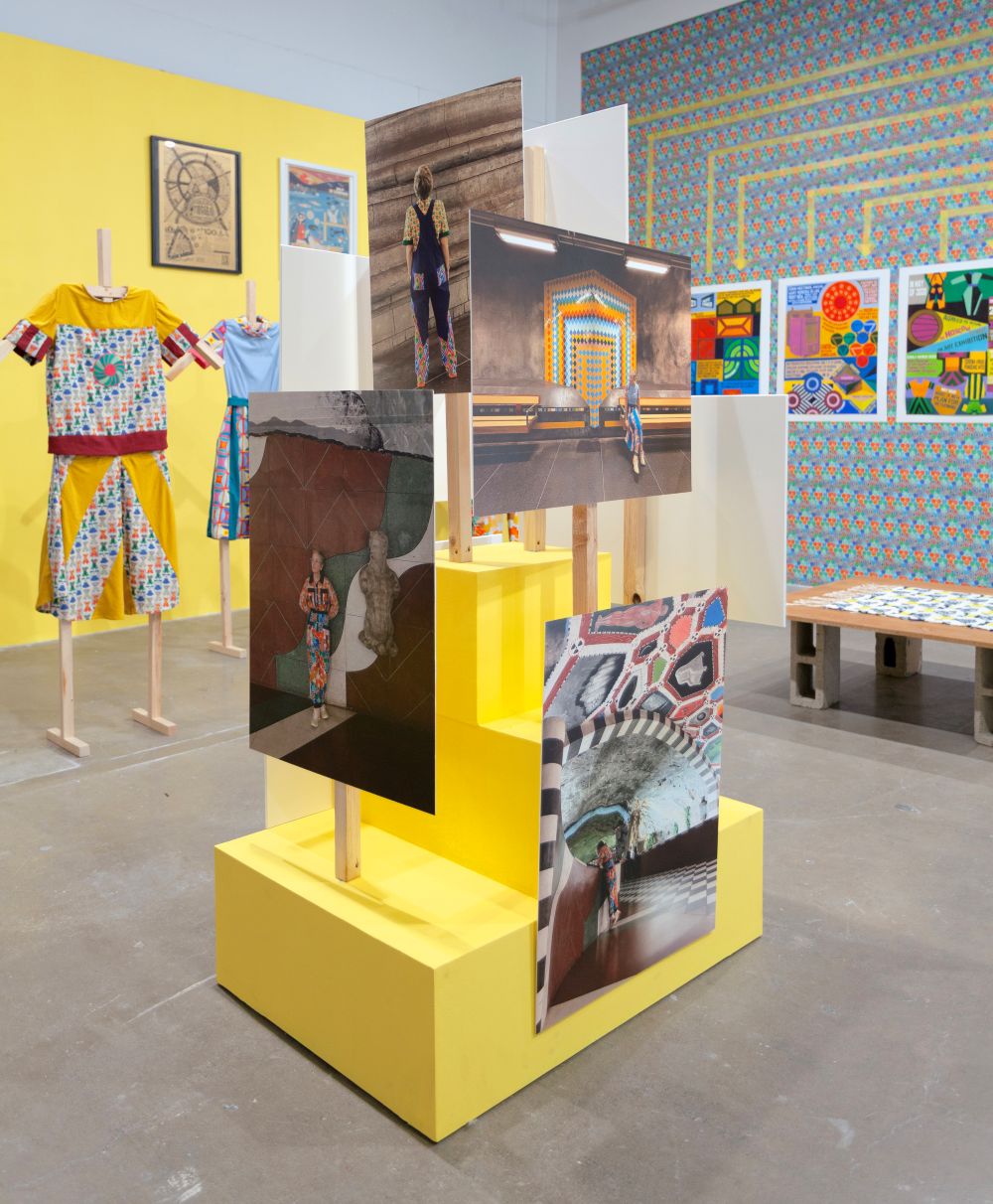
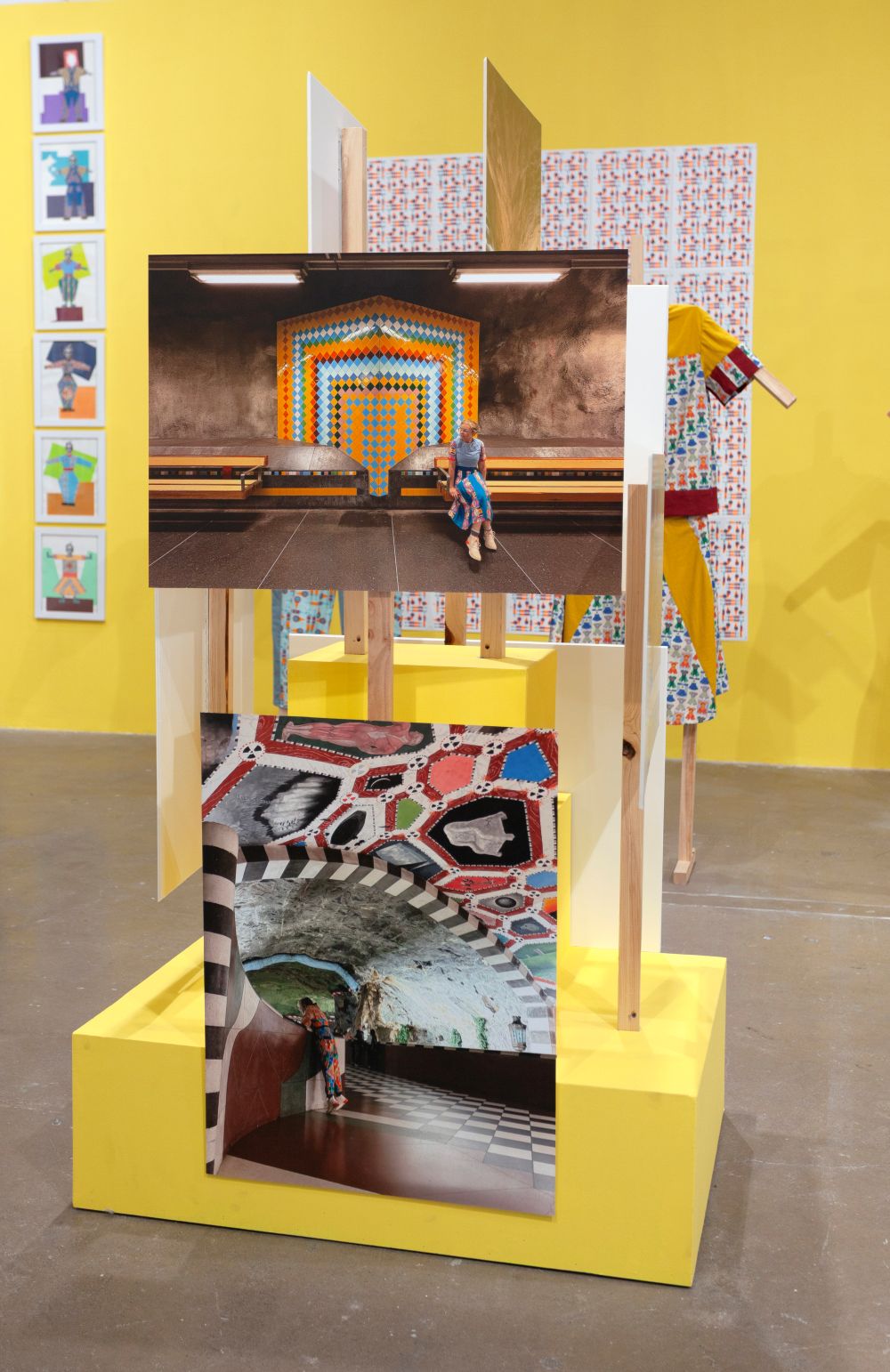
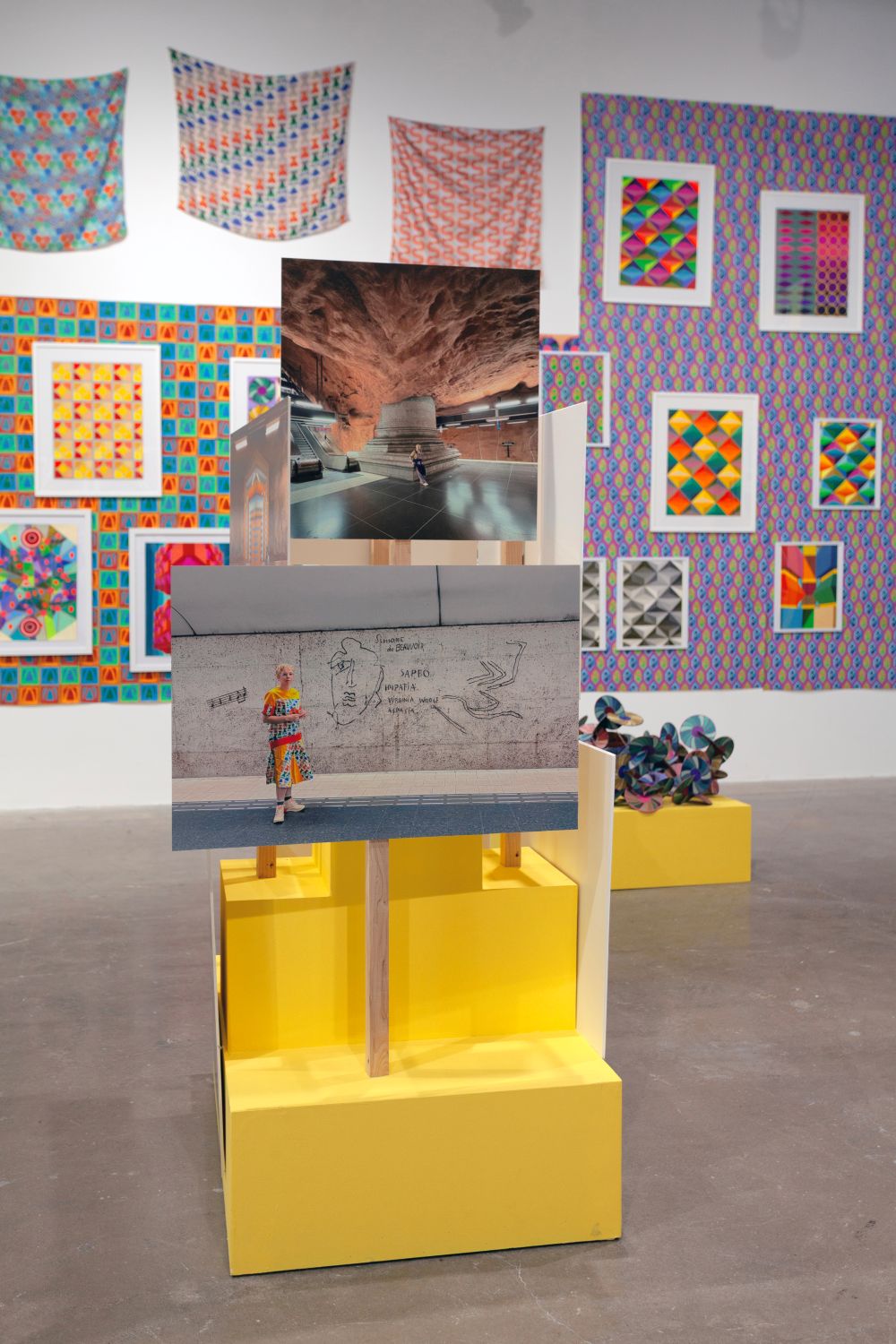
conditions. In developing the project, Lippire assembled a dedicated archive of photographs,
many of which she took herself, documenting architectural elements of Modernism and
the geometric structures of Soviet Constructivism.
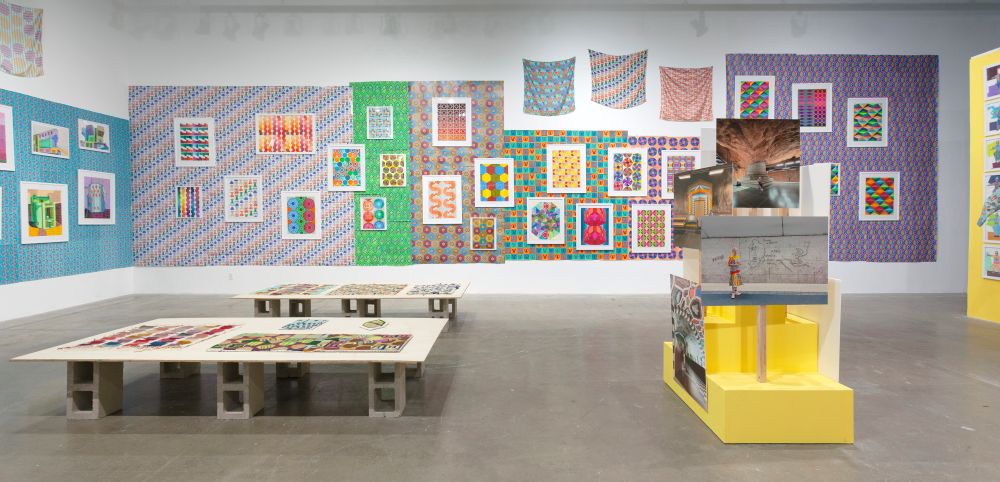
She isolates these originally colorless forms and transforms them into patterns, which
constitute the base material for her works and whose formal complexity is heightened
by the richness of the palettes Lippire applies to them.
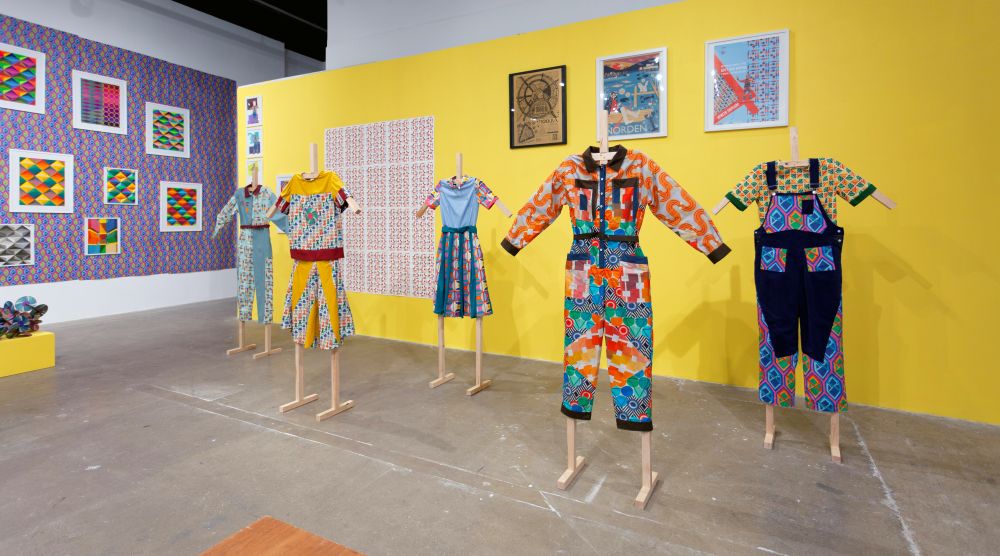
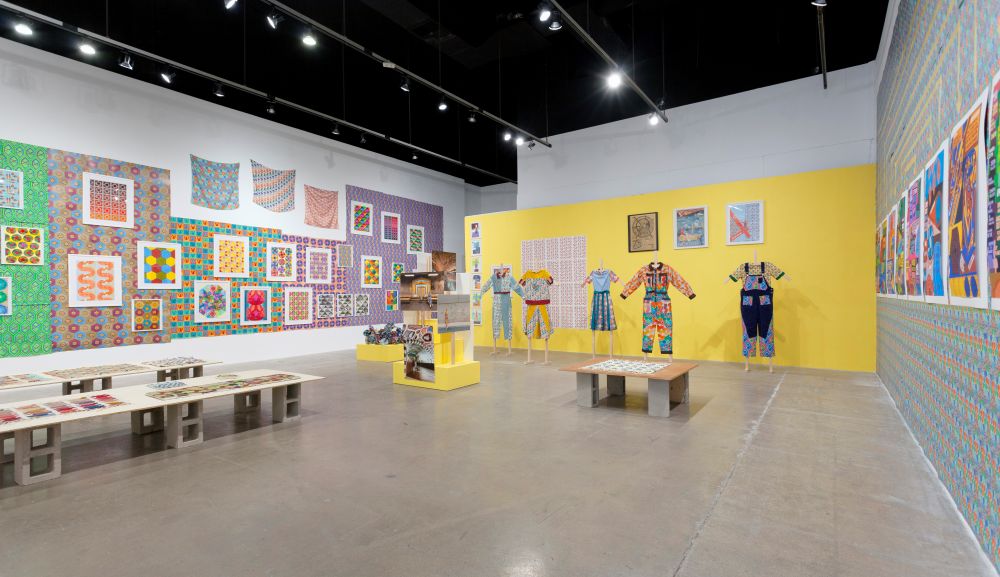
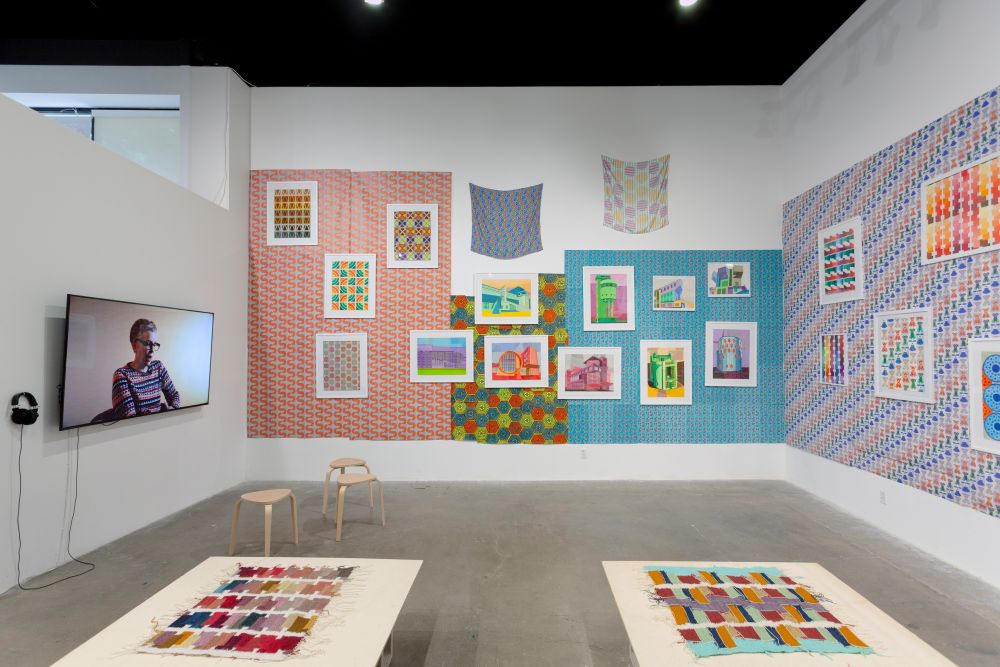
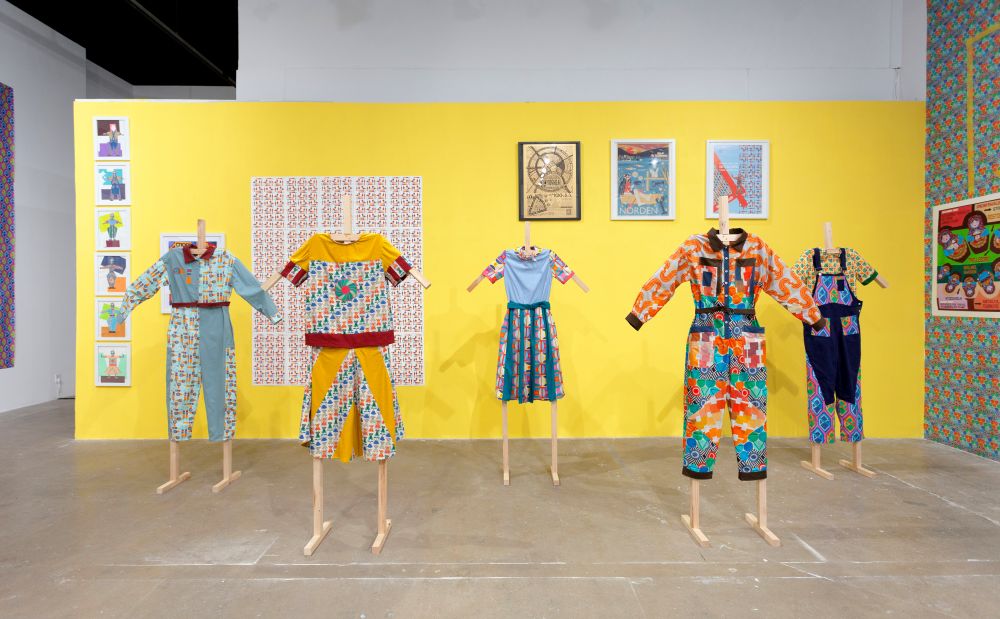
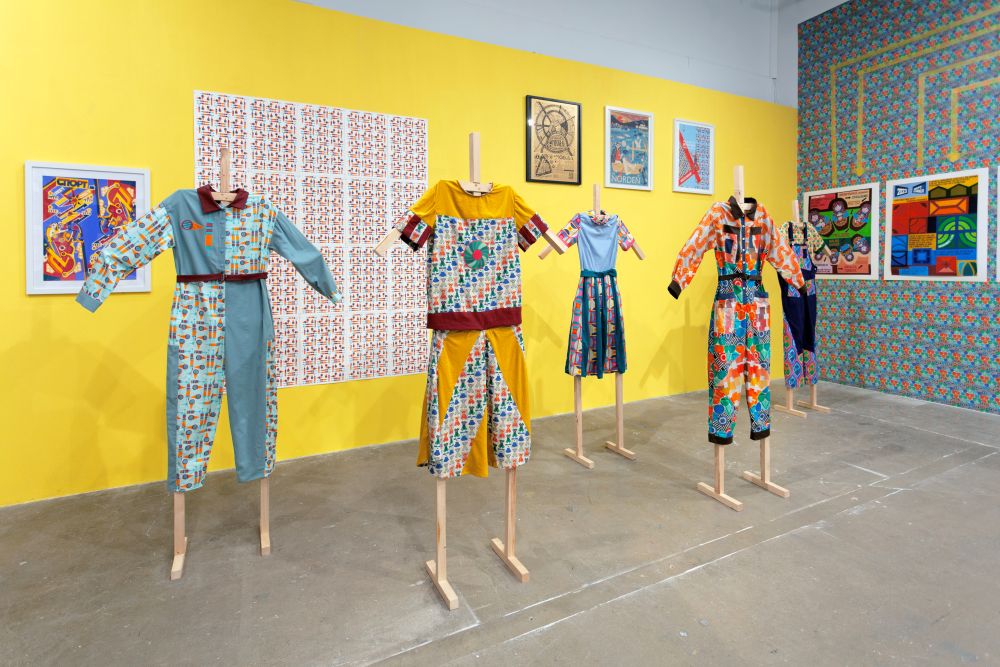
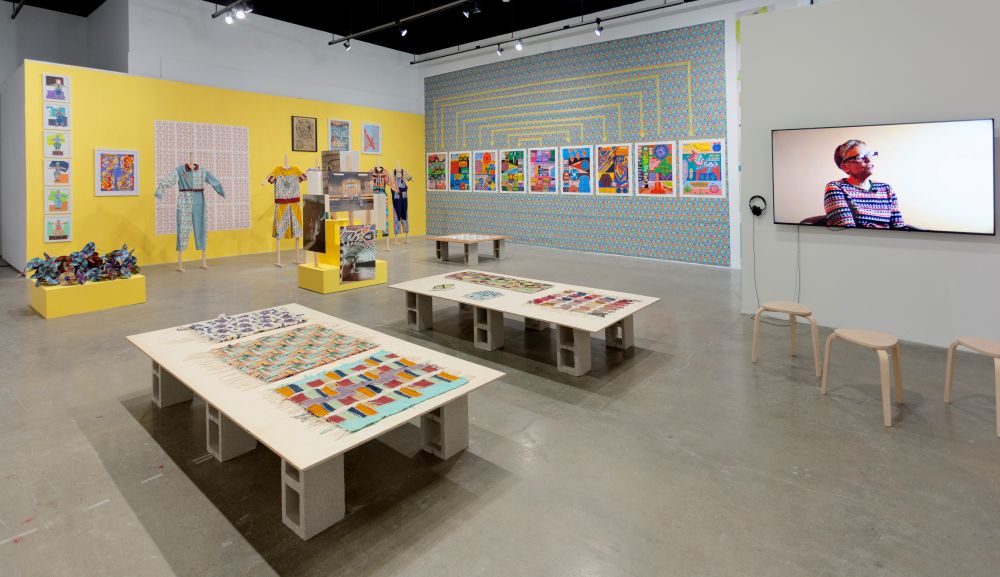
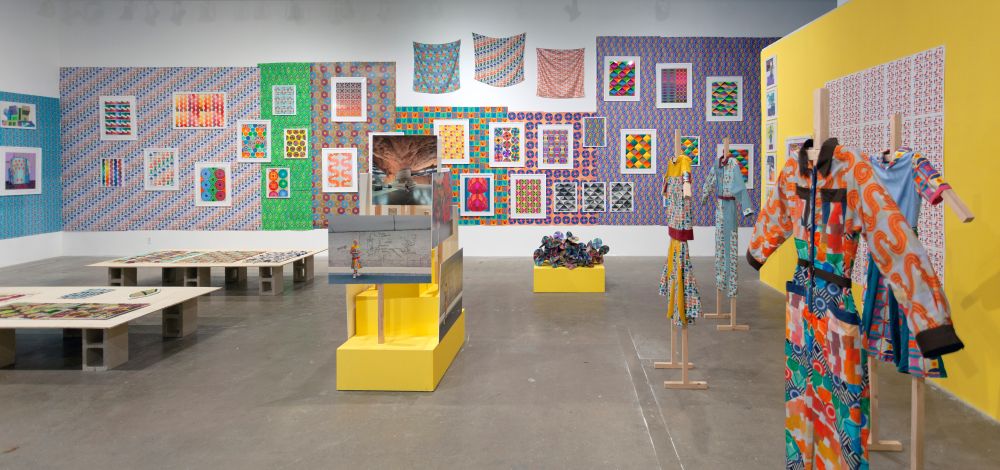
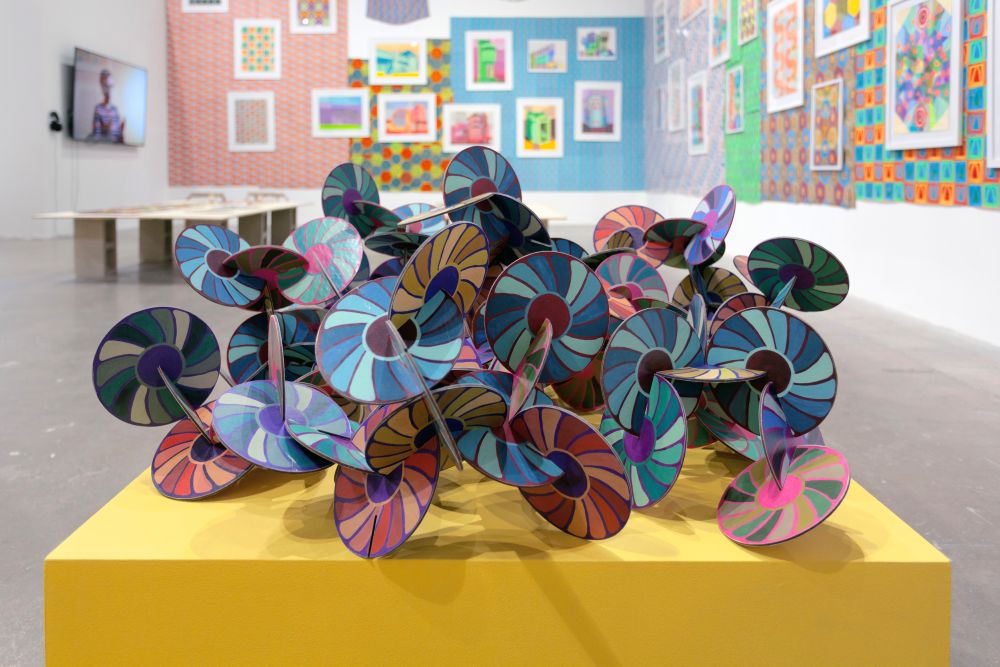
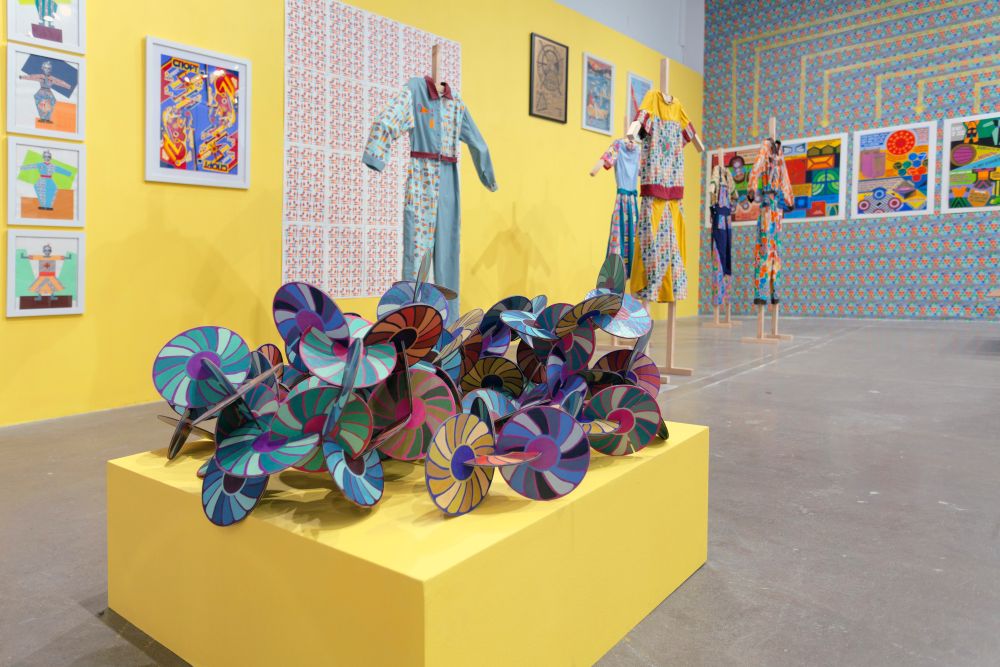
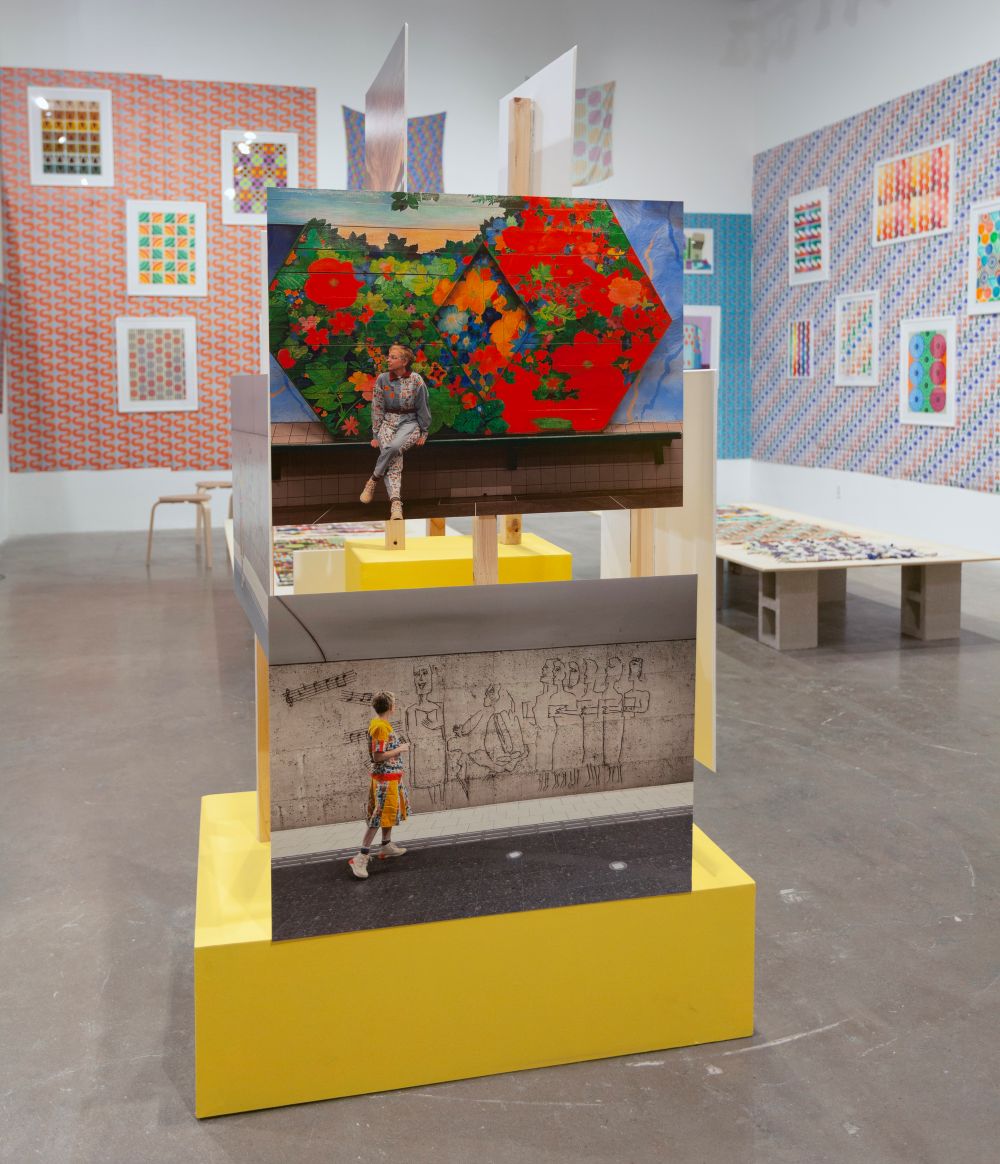
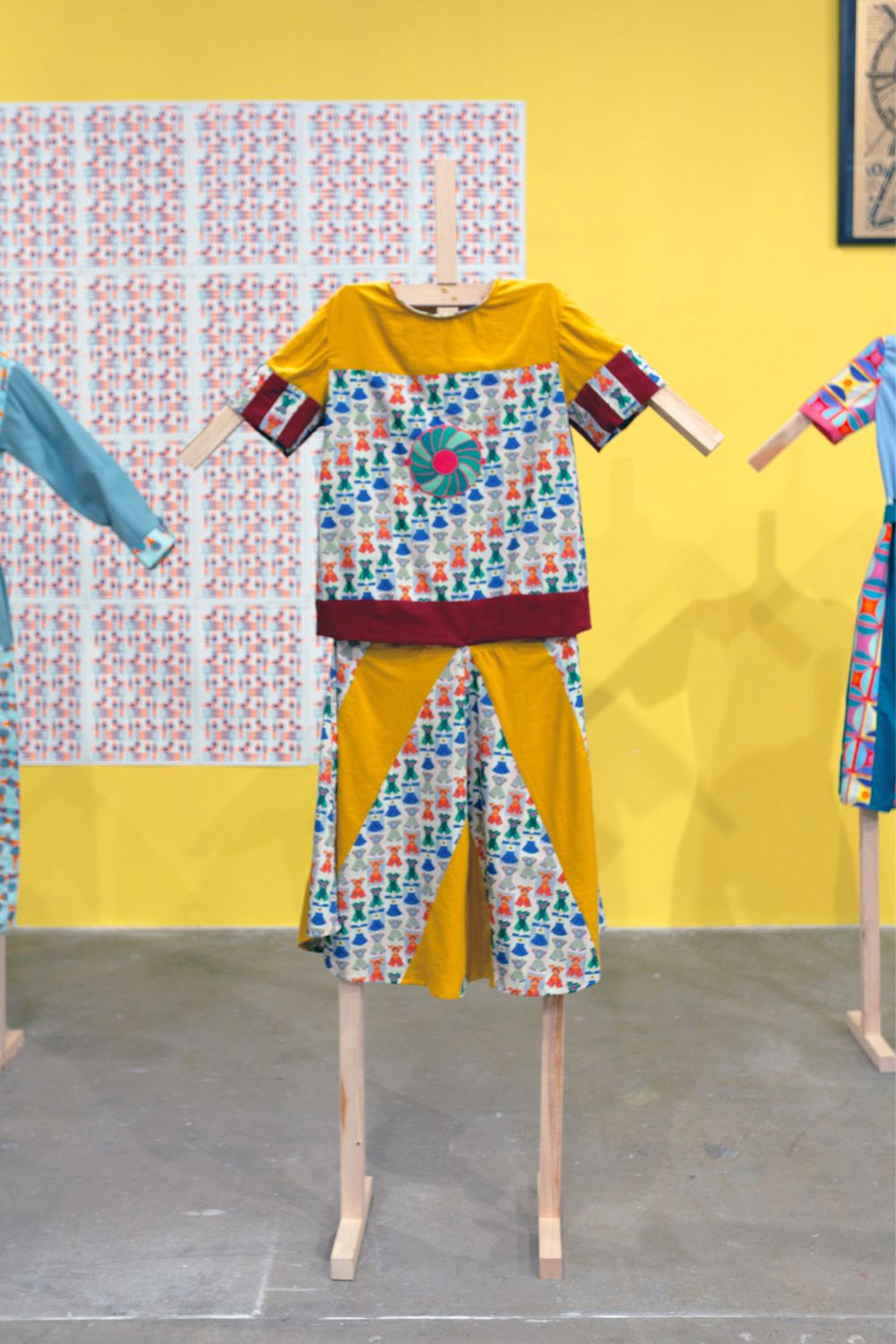
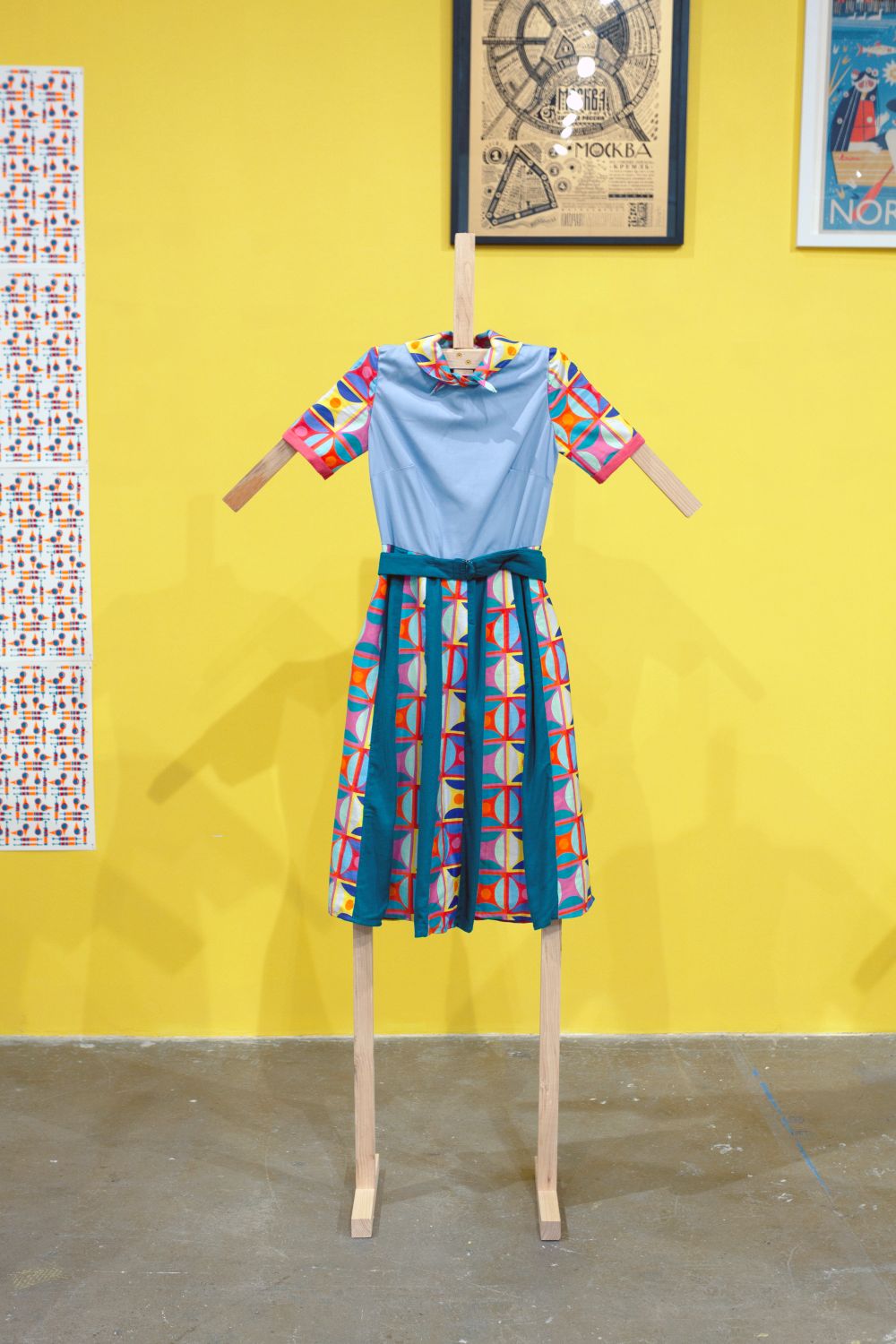
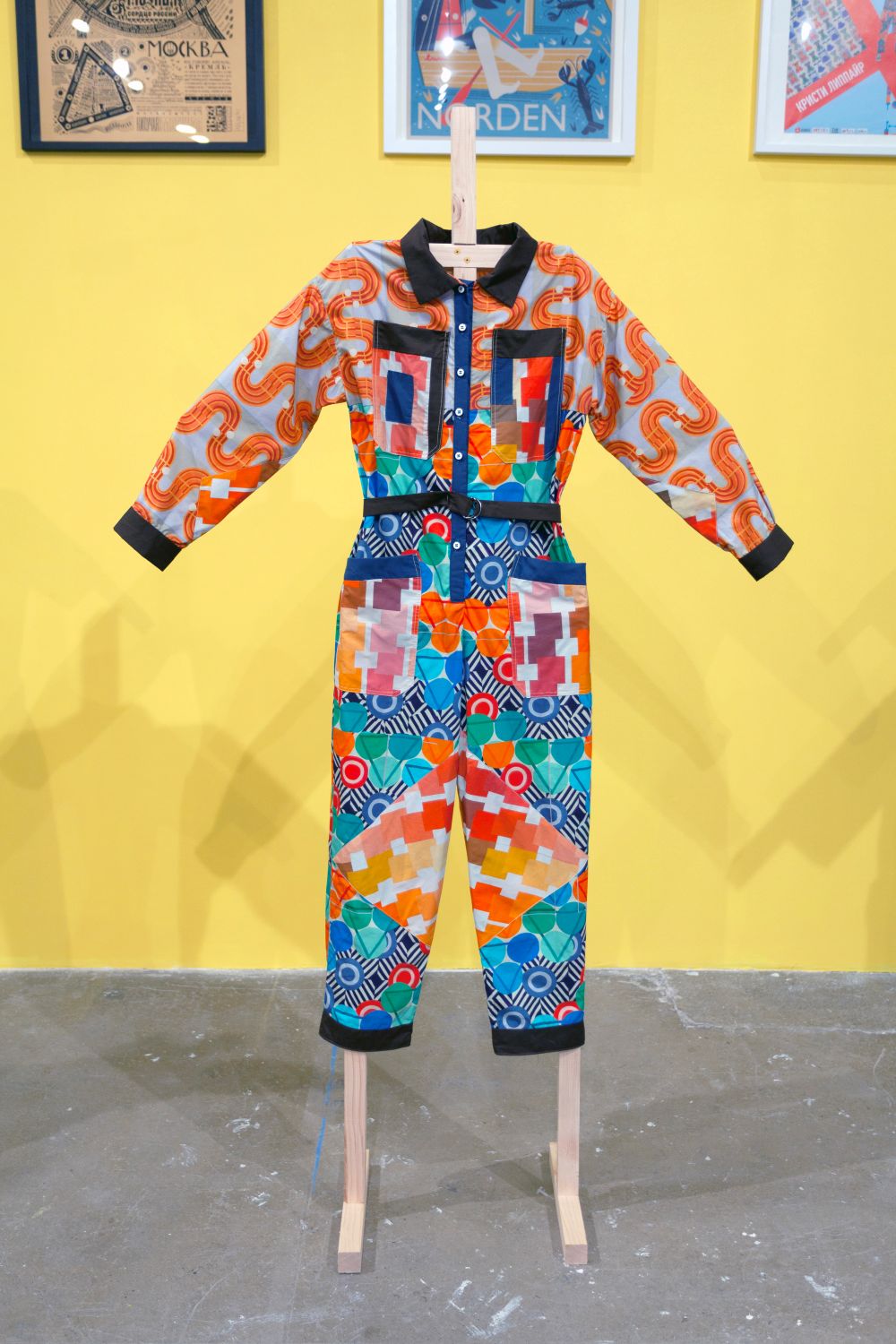
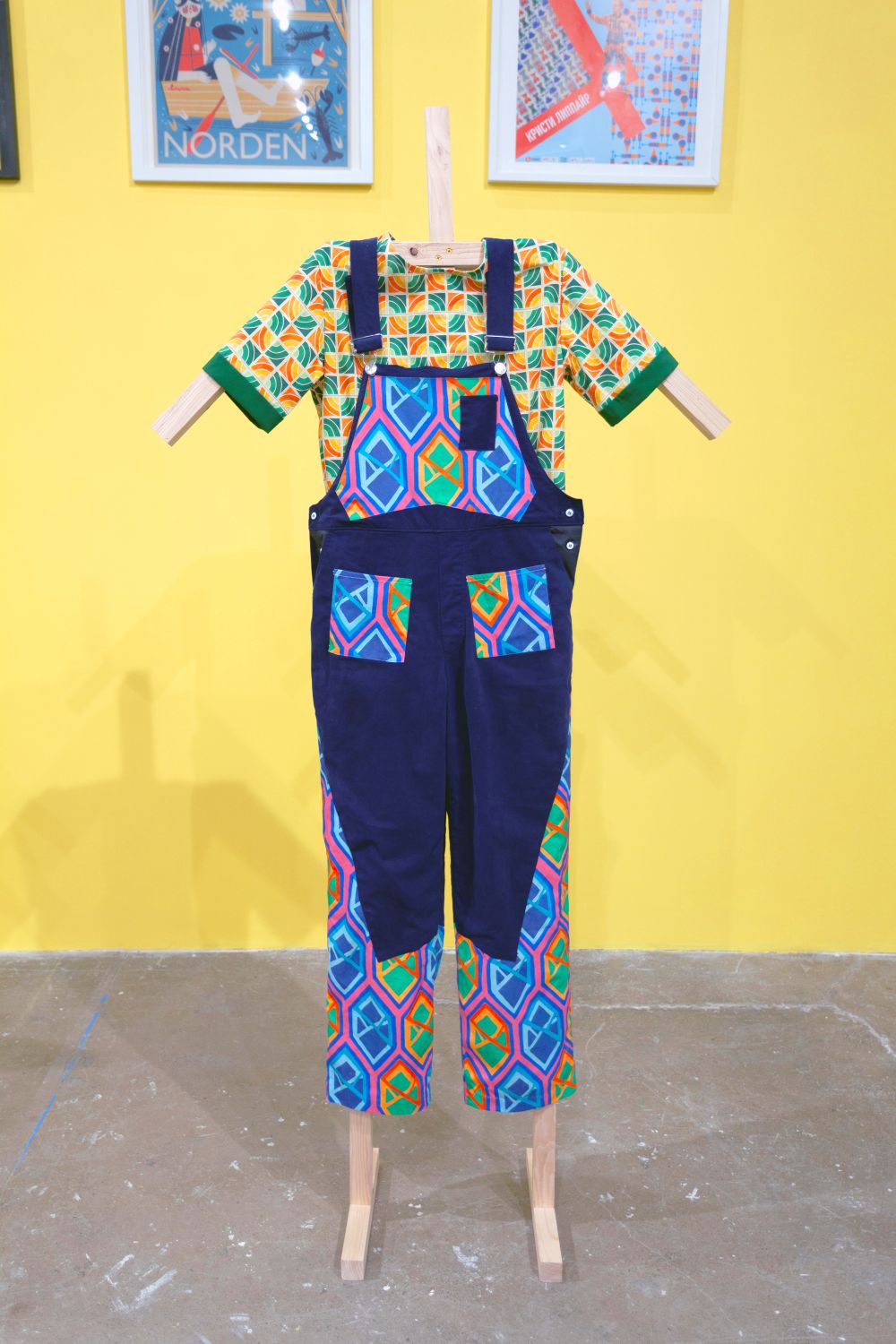
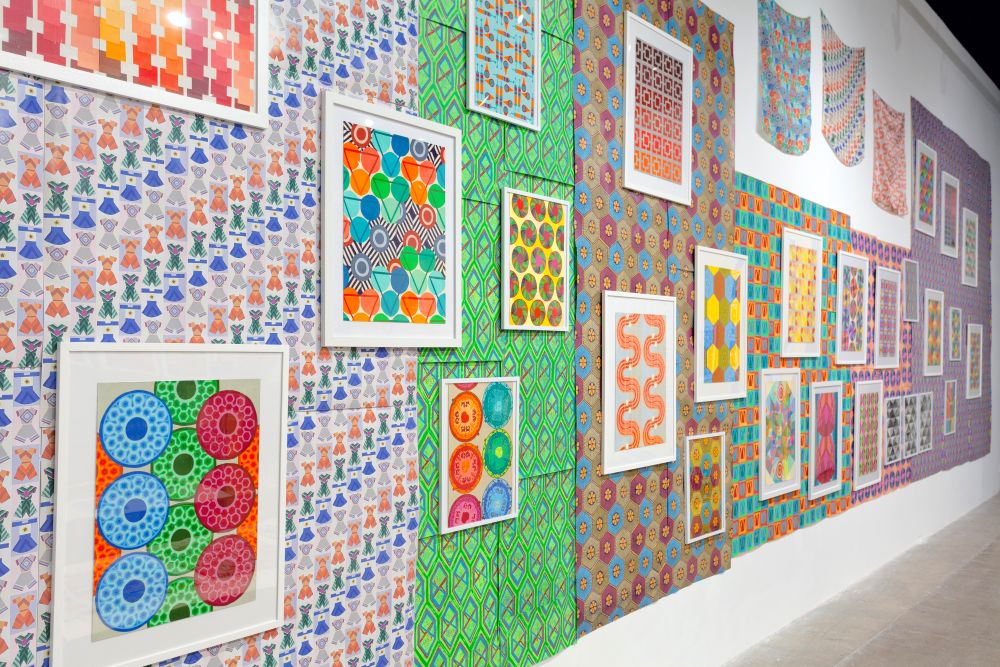
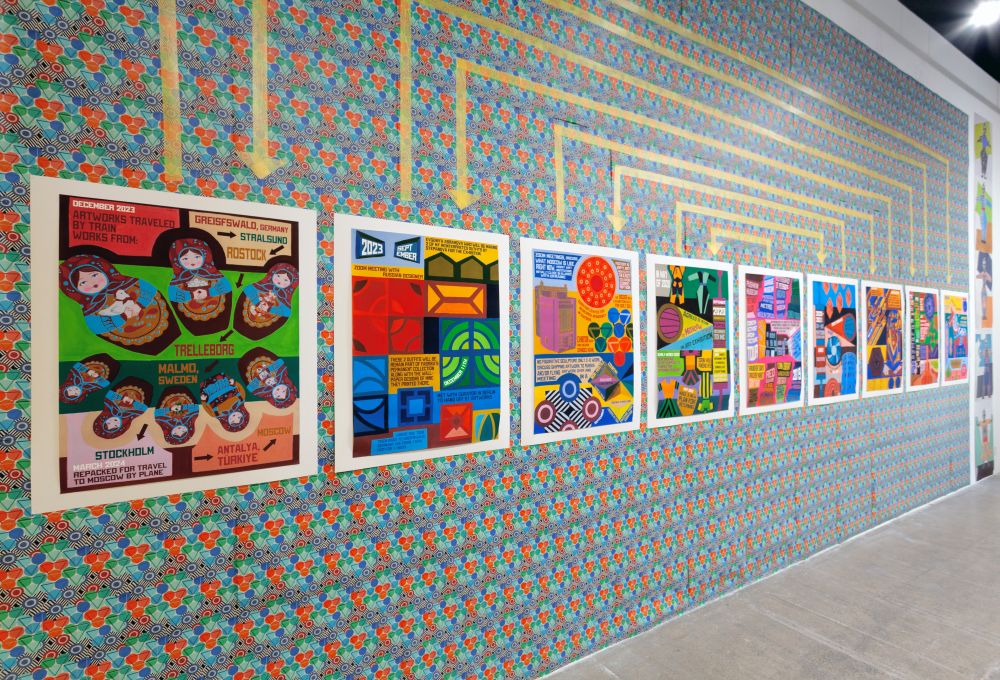
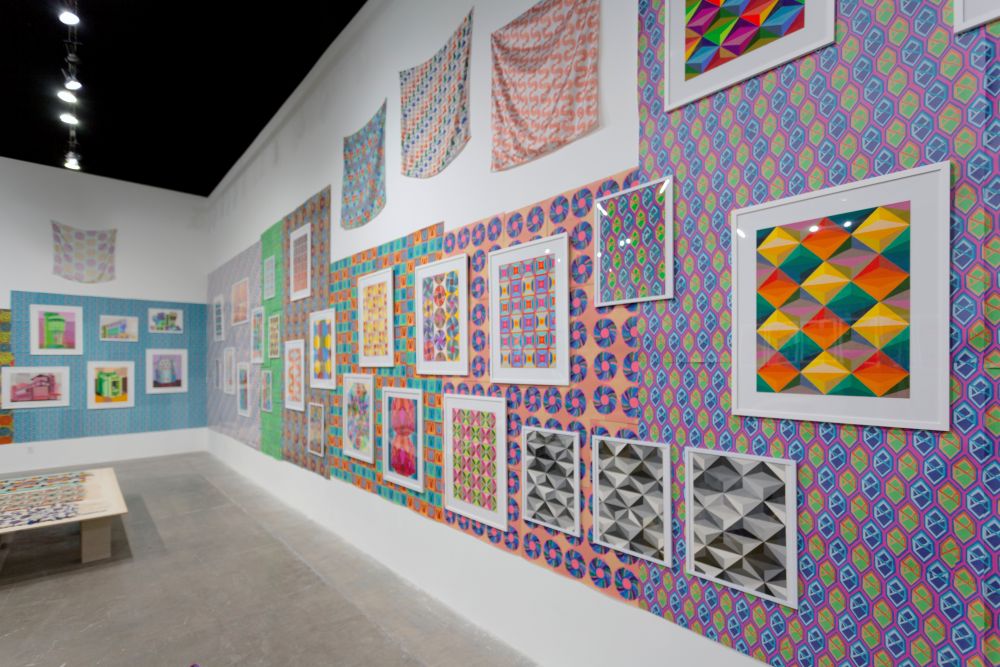
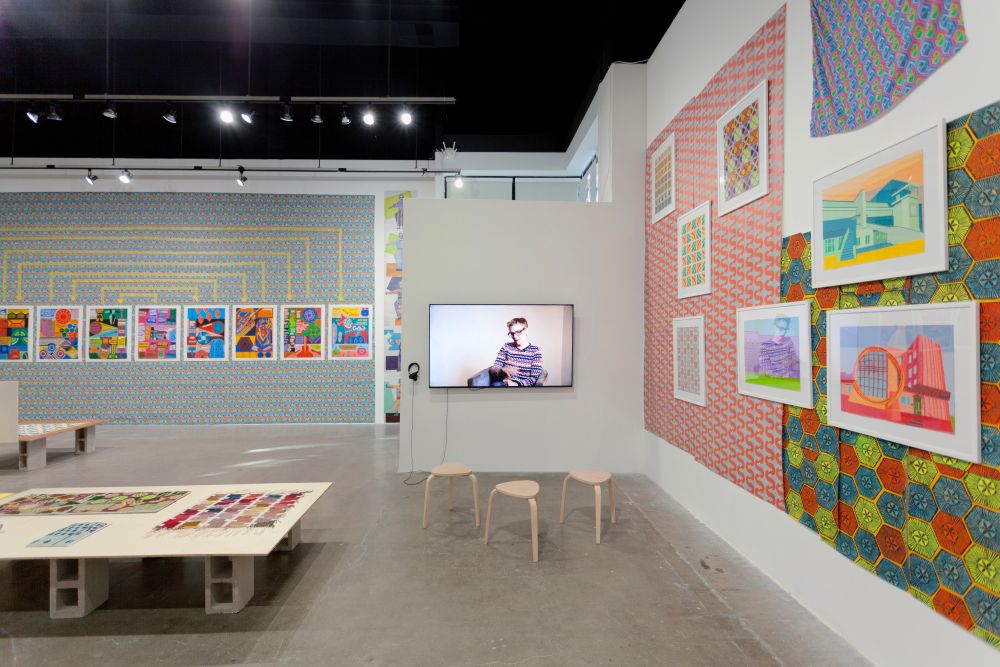
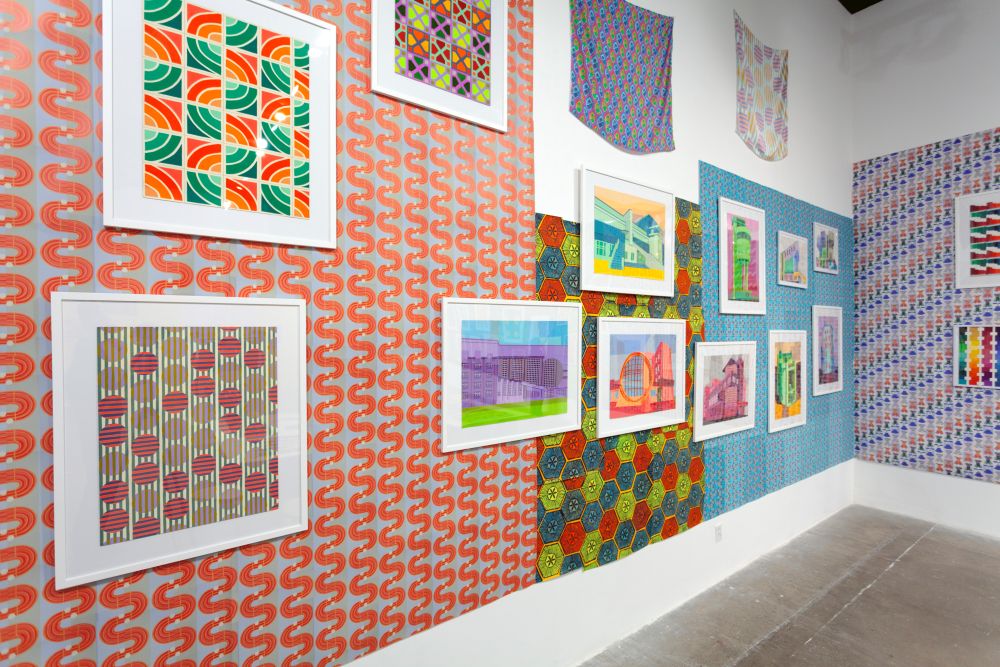
In her installation, expansive handprinted wallpapers, together with architectural
collages, garments, and photographs, flood the gallery with vivid colors and pragmatic
urban design turned into pattern and ornament. Lippire, a professor of color theory,
invites viewers to experience form and color as lived languages, as a dynamic organism
of two codes whose interaction generates the exhibition’s abstract visual structures
while also echoing their origins. The motifs shift between Los Angeles and Moscow,
moving from contemporary to historic features such as Breeze Block designs and manhole
covers. Through her sustained engagement with form and color, Lippire examines how
memory becomes inscribed in spatial experience and how the interplay of tonal and
structural systems shapes embodied knowledge. She draws from
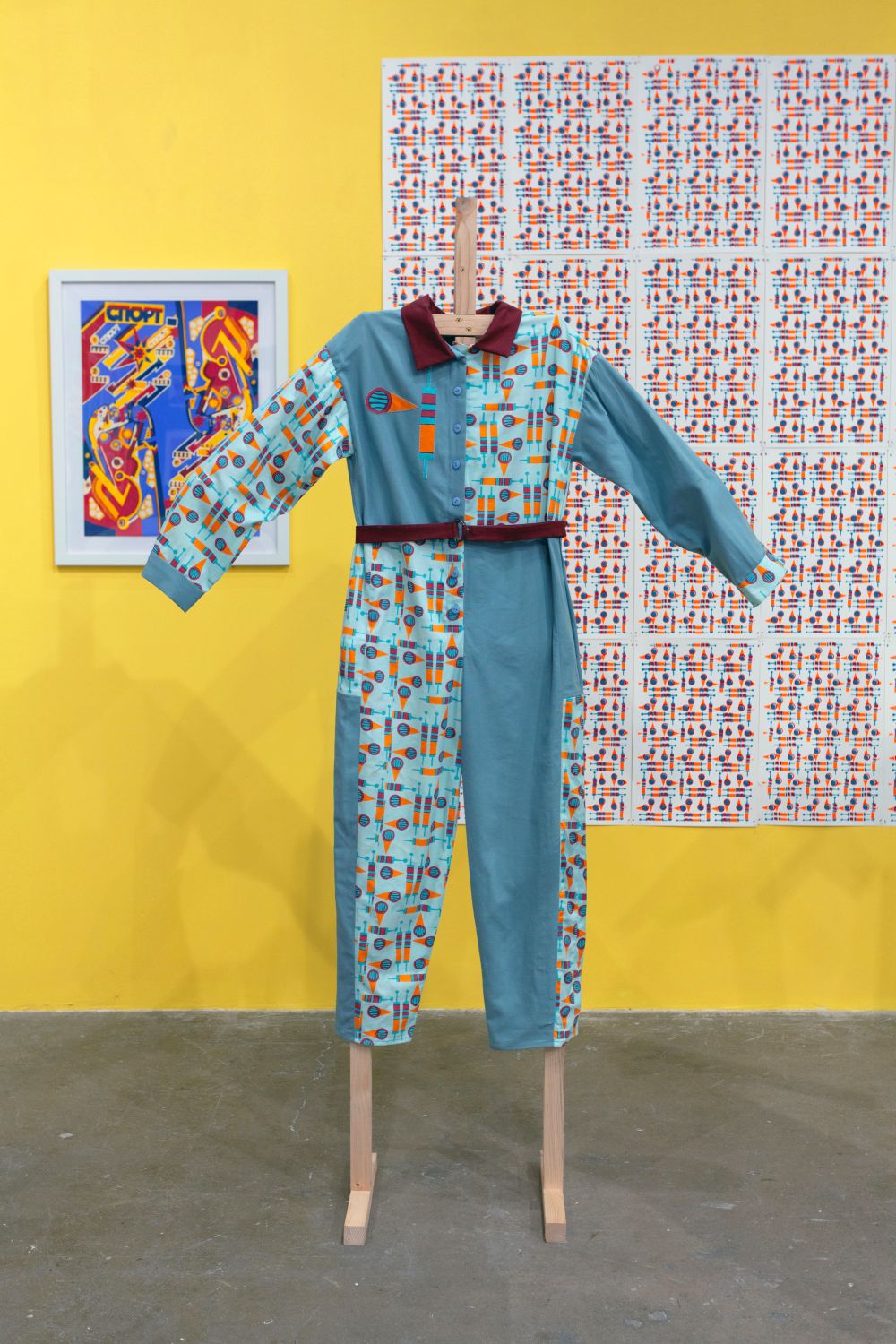
Stepanova’s textile designs, theater sets, and costumes, sites where geometric design
and function intersect, merging avant-garde abstraction with mass production and everyday
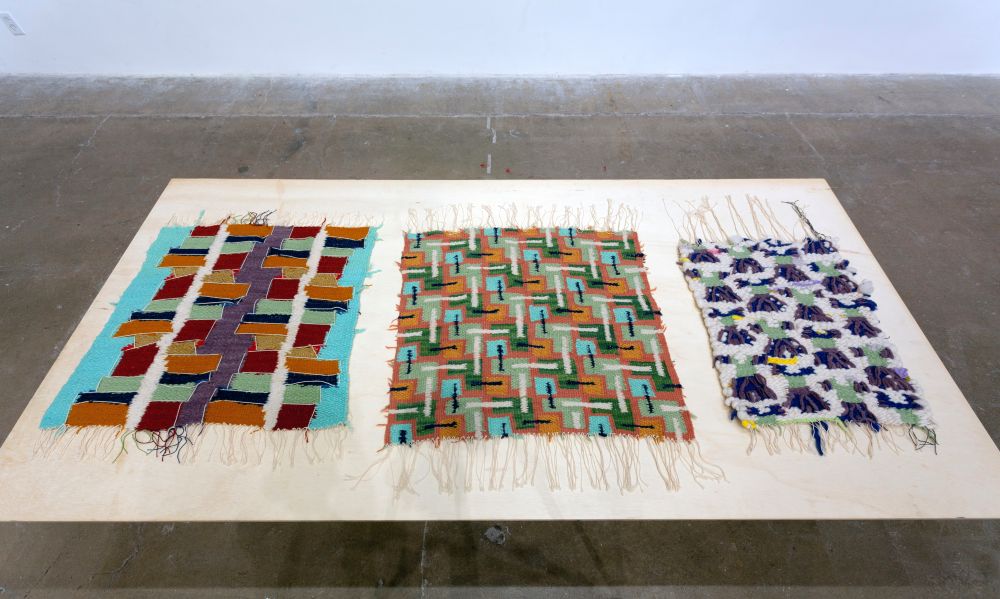
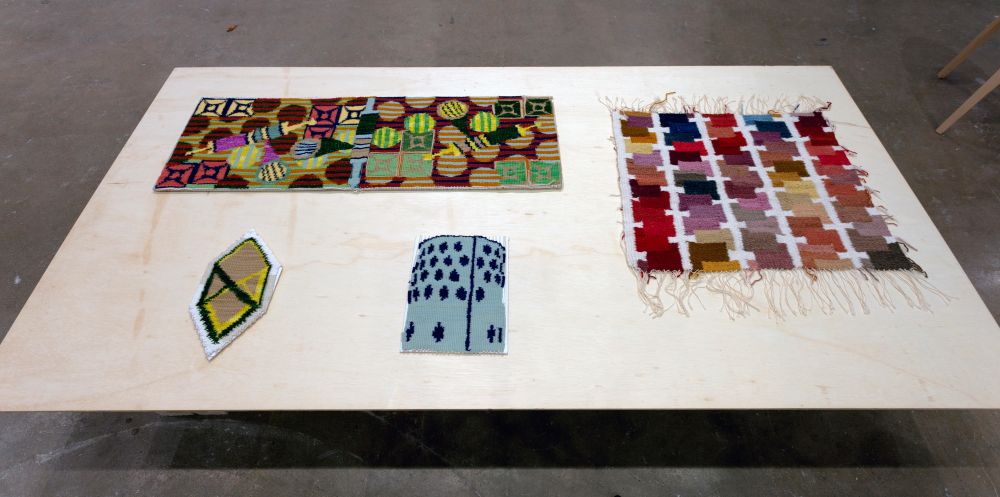
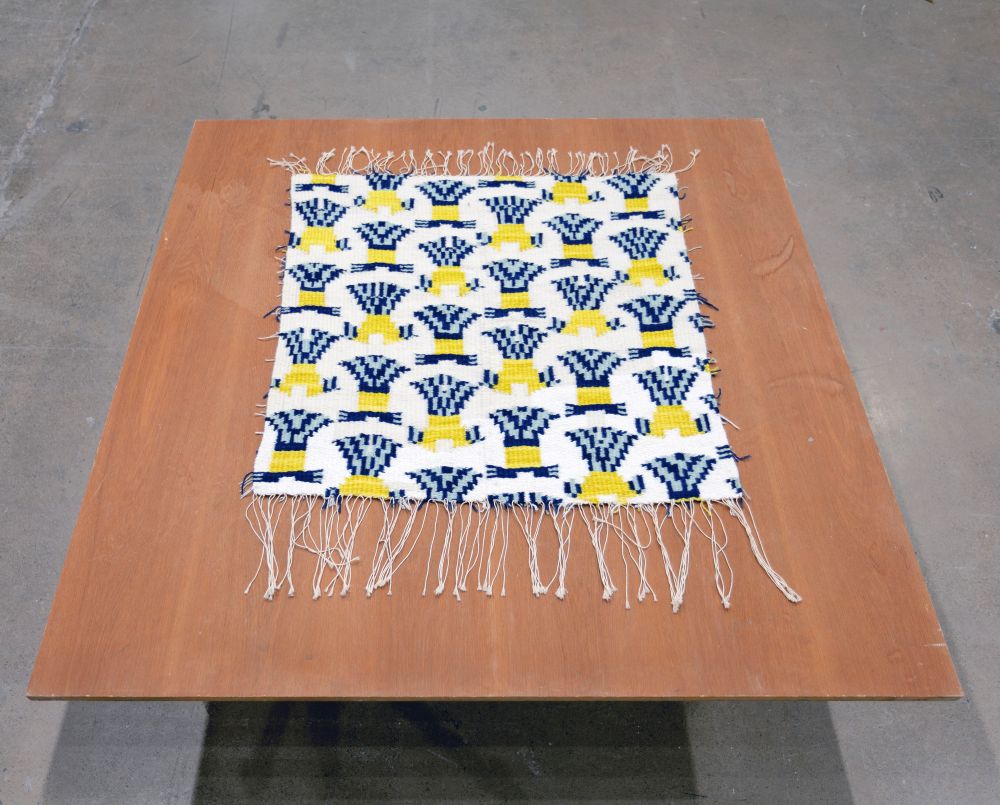
use. Extending these references into her own practice, she incorporates printed surfaces,
woven pieces, graphic compositions, and wearable forms, each paying homage to Stepanova,
to Constructivism, and to the visual strategies that have long shaped her work.
A century after Constructivism’s experiments with bold, vibrant coloration, neutrality has become the dominant aesthetic, with cars, buildings, garments, and digital devices and designs muted to project safety, efficiency, and emotional restraint. Against this backdrop, Lippire’s exuberant use of hue and pattern offers a visual interruption, immersive, sensuous, and assertive, whose chromatic intensity reclaims color as a mode of attention, expression, and embodied engagement. The exhibition also addresses the gendered dimensions of art and design history. By foregrounding Stepanova’s textiles, theater sets, and graphic innovations, often marginalized in dominant accounts of modernism, Lippire reasserts the intellectual and aesthetic significance of practices historically relegated to the category of applied arts. In recovering and extending these histories, Stepanova Project – Color as Form affirms a model of resilience grounded in care, adaptability, and creative labor.
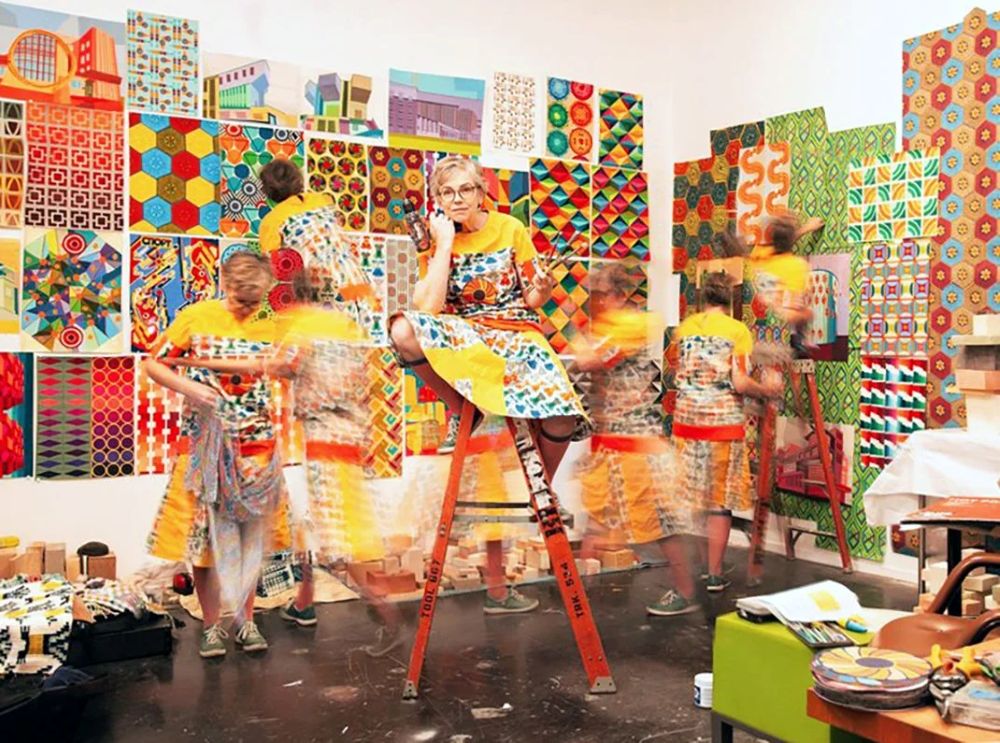
Kristi Lippire is a Los Angeles–based sculptor and professor whose work investigates the intersections of material culture, urban infrastructure, and visual theory. A specialist in color theory, she conducts long-form research into the social, historical, and perceptual structures that shape the built environment. Her practice often draws on archives, photography, and site-specific observation, translating architectural elements into sculptural, textile, and graphic forms that reframe their cultural and political resonance. Lippire’s projects engage with histories of modernism, feminist interventions in design, and the role of ornament and color in shaping spatial experience. She has exhibited nationally and internationally, with works featured in museums, galleries, and public art contexts. In addition to her studio practice, Lippire is committed to teaching and mentorship, fostering critical engagement with materials, processes, and the social dimensions of artmaking in her role as professor and mentor.
Engaging the World is Wilkinson College’s signature series dedicated to fostering, sustained, interdisciplinary reflection on the urgent questions shaping our shared future. Each semesterlong initiative brings together diverse academic fields and cultural practices to promote informed dialogue and critical inquiry. The Fall 2025 theme, Leading the Conversation on the Environment and Building Resilient Futures, focuses on how environmental, social, and political conditions intersect across global and local contexts. It invites students, faculty, and the broader community to explore how lived experience, innovation, and cultural expression contribute to the shaping of more resilient, equitable, and responsive futures, positioning art, scholarship, and civic imagination as vital forms of engagement.