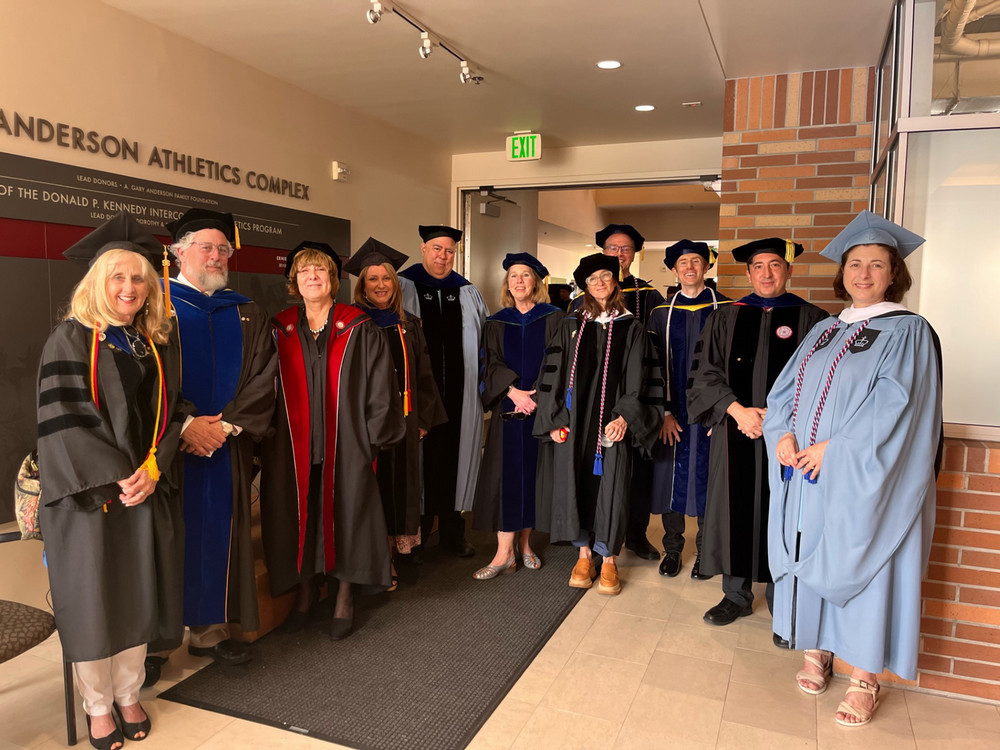
Faculty advisors guide students through their academic journeys with student-faculty collaborative research, study abroad, internships, capstone courses, and individual study.
As mentors, teachers, scholars, club advisors, research collaborators, and campus leaders, our faculty expand what we know about the world and model civic engagement for our community members.
Our faculty is committed to advancing academic research, improving health care, generating cultural understanding, protecting the environment, and creating technical and social change.
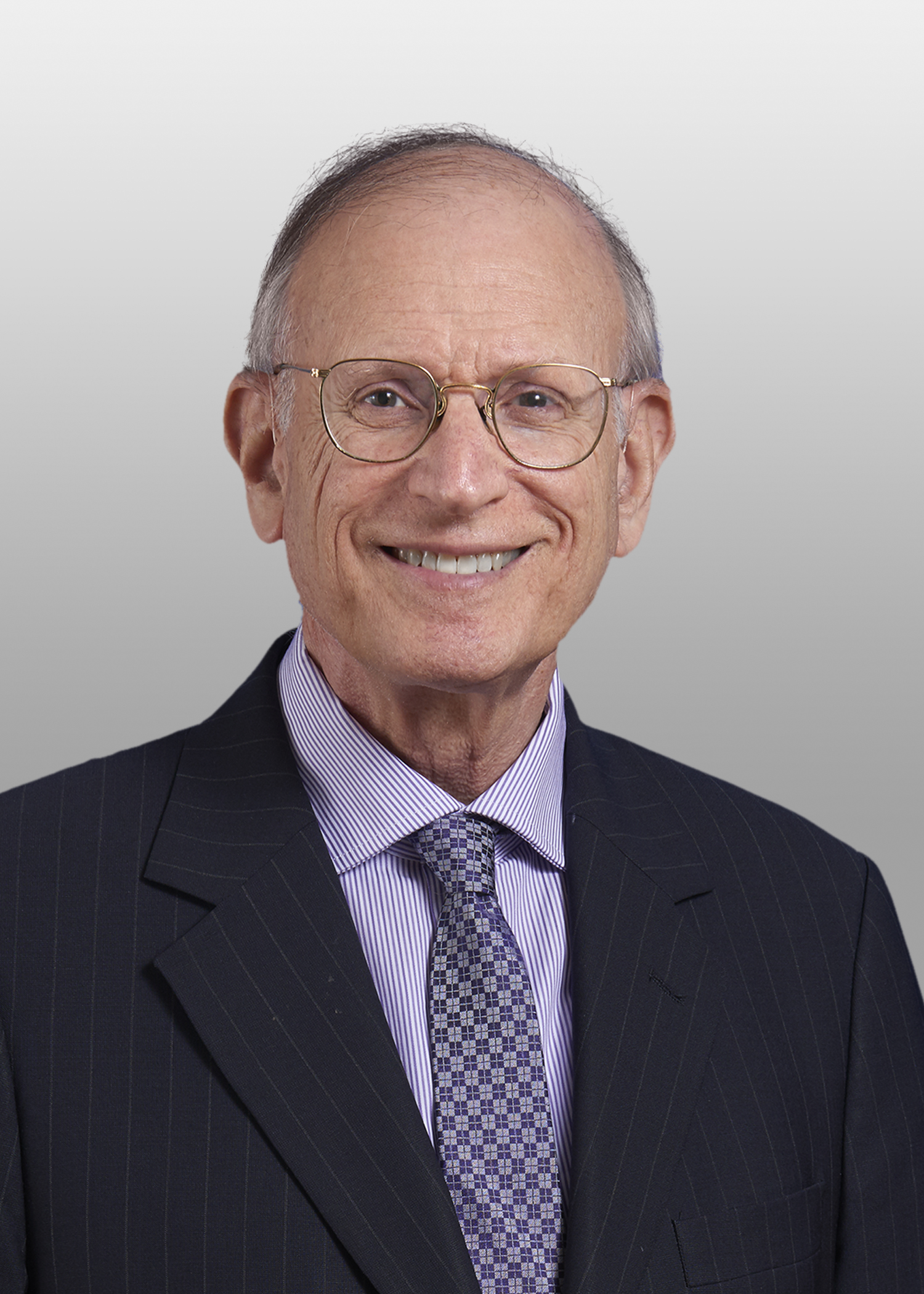 Ambassador Stuart Eizenstat has held senior positions in six U.S. administrations, including Chief White House
Domestic Policy Advisor to President Jimmy Carter, U.S. Ambassador to the European
Union, and Deputy Secretary of the Treasury in the Clinton administration. He currently
chairs the United States Holocaust Memorial Council. His extraordinary record of accomplishments
includes negotiating major agreements with Switzerland, Germany, Austria and France,
among other countries, covering restitution and reparations to Holocaust survivors.
Ambassador Eizenstat was the principal negotiator of the 1998 Washington Principles
on Nazi-Confiscated Art with 44 countries, which continues to be a basis for recovery
and compensation for Nazi-looted art. Since 2009, he has served as pro bono Special
Negotiator for the Jewish Claims Conference in negotiations with the German government,
obtaining billions of dollars of benefits for needy Holocaust survivors. He is the
author of several books, including Imperfect Justice: Looted Assets, Slave Labor and the Unfinished Business of World
War II (Public Affairs, 2003) and most recently, The Art of Diplomacy: How American Negotiators Reached Historic Agreements That Changed
the World (Rowman & Littlefield, 2024).
Ambassador Stuart Eizenstat has held senior positions in six U.S. administrations, including Chief White House
Domestic Policy Advisor to President Jimmy Carter, U.S. Ambassador to the European
Union, and Deputy Secretary of the Treasury in the Clinton administration. He currently
chairs the United States Holocaust Memorial Council. His extraordinary record of accomplishments
includes negotiating major agreements with Switzerland, Germany, Austria and France,
among other countries, covering restitution and reparations to Holocaust survivors.
Ambassador Eizenstat was the principal negotiator of the 1998 Washington Principles
on Nazi-Confiscated Art with 44 countries, which continues to be a basis for recovery
and compensation for Nazi-looted art. Since 2009, he has served as pro bono Special
Negotiator for the Jewish Claims Conference in negotiations with the German government,
obtaining billions of dollars of benefits for needy Holocaust survivors. He is the
author of several books, including Imperfect Justice: Looted Assets, Slave Labor and the Unfinished Business of World
War II (Public Affairs, 2003) and most recently, The Art of Diplomacy: How American Negotiators Reached Historic Agreements That Changed
the World (Rowman & Littlefield, 2024).
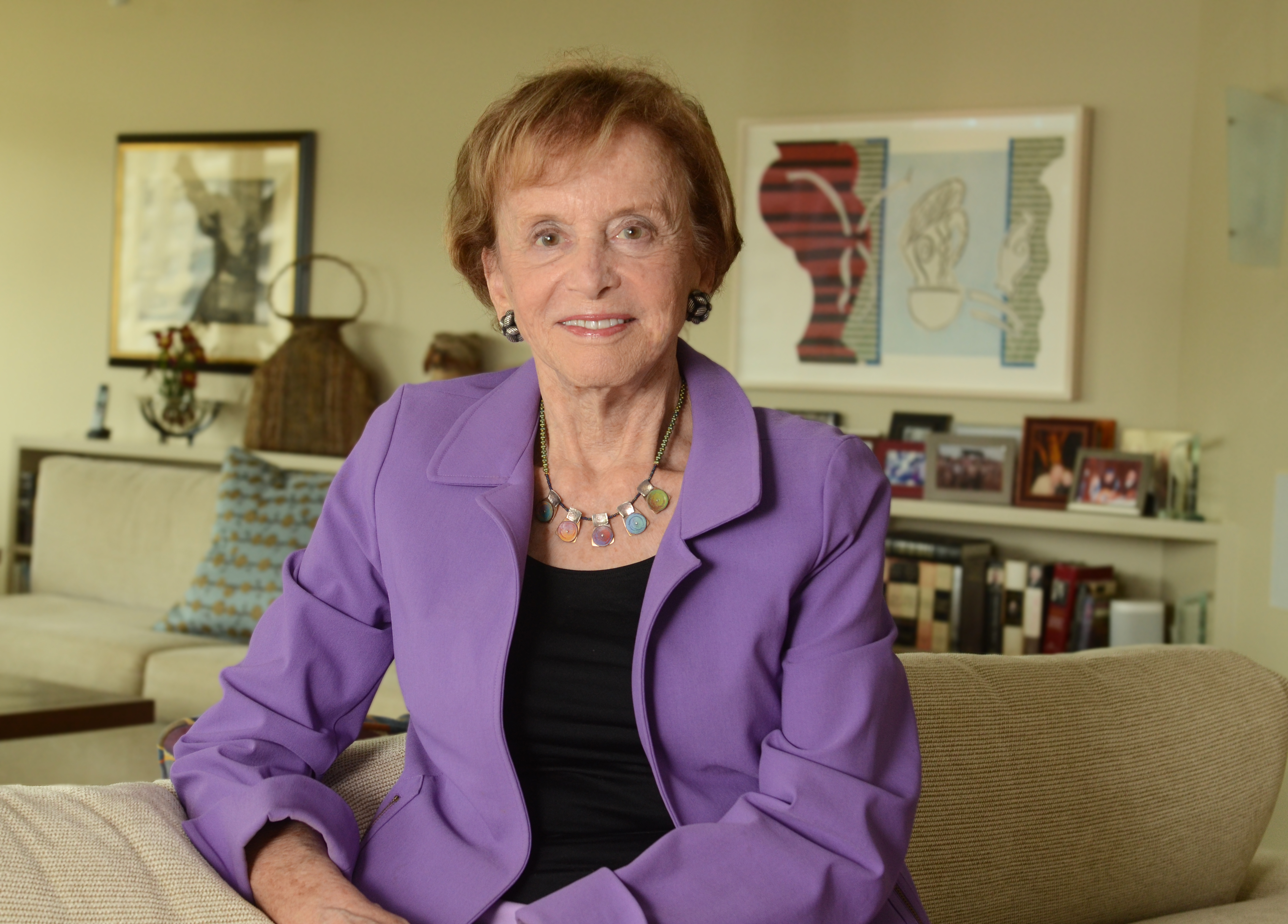 Marion Ein Lewin was born in the Netherlands to parents who were driven from their home in Germany
in 1935 by Nazi antisemitism and violence. Marion, her parents and twin brother Stephen
remained together throughout the Holocaust—one of only a very few families to do so.
They survived the transit camp Westerbork, the horrific concentration camp Bergen-Belsen,
and a perilous journey on the “lost train” in the last days of the war. The family
was liberated by Soviet soldiers on April 23, 1945. Arriving in the U.S. in 1947,
Marion went on to graduate from Barnard College and Columbia University. Her professional
life focused on health policy and health economics. For 15 years, she was Senior Staff
Officer at the Institute of Medicine at the National Academies of Science and headed
its Office of Health Policy Programs and Fellowships. Read more about Mrs. Lewin’s
Holocaust experiences in Faris Cassell, Inseparable: The Hess Twins’ Holocaust Journey through Bergen-Belsen to America (Regnery History, 2023).
Marion Ein Lewin was born in the Netherlands to parents who were driven from their home in Germany
in 1935 by Nazi antisemitism and violence. Marion, her parents and twin brother Stephen
remained together throughout the Holocaust—one of only a very few families to do so.
They survived the transit camp Westerbork, the horrific concentration camp Bergen-Belsen,
and a perilous journey on the “lost train” in the last days of the war. The family
was liberated by Soviet soldiers on April 23, 1945. Arriving in the U.S. in 1947,
Marion went on to graduate from Barnard College and Columbia University. Her professional
life focused on health policy and health economics. For 15 years, she was Senior Staff
Officer at the Institute of Medicine at the National Academies of Science and headed
its Office of Health Policy Programs and Fellowships. Read more about Mrs. Lewin’s
Holocaust experiences in Faris Cassell, Inseparable: The Hess Twins’ Holocaust Journey through Bergen-Belsen to America (Regnery History, 2023).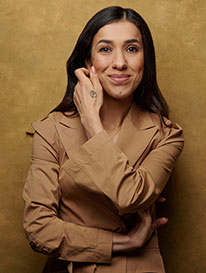 Nadia Murad is a survivor of the 2014 genocide of the Yazidi people by ISIS in Northern Iraq.
Over 600 people from her village were murdered including Ms. Murad’s mother and six
of her brothers and stepbrothers. Ms. Murad was one of more than 6,700 Yazidi women
and girls taken prisoner by the Islamic State in Iraq. She successfully escaped from
her captors and was taken in by a neighboring family who was able to smuggle her out
of the Islamic State controlled area, allowing her to make her way to a refugee camp
in northern Iraq.
Nadia Murad is a survivor of the 2014 genocide of the Yazidi people by ISIS in Northern Iraq.
Over 600 people from her village were murdered including Ms. Murad’s mother and six
of her brothers and stepbrothers. Ms. Murad was one of more than 6,700 Yazidi women
and girls taken prisoner by the Islamic State in Iraq. She successfully escaped from
her captors and was taken in by a neighboring family who was able to smuggle her out
of the Islamic State controlled area, allowing her to make her way to a refugee camp
in northern Iraq.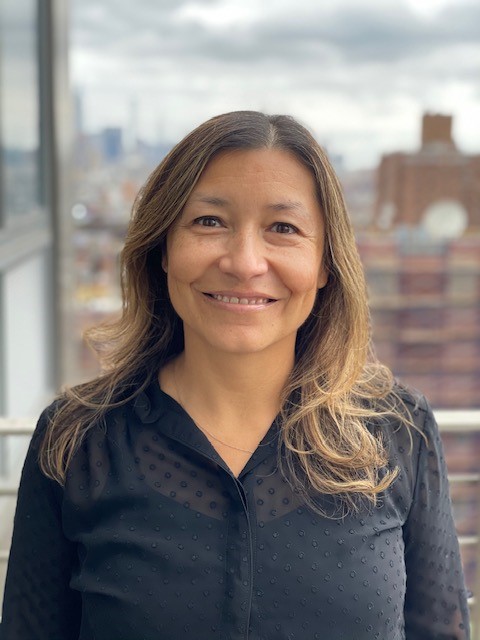 Julie Chávez Rodríguez is a political strategist and organizer who has dedicated her career to advancing
the rights of working people and building leadership and power with and among communities
of color.
Julie Chávez Rodríguez is a political strategist and organizer who has dedicated her career to advancing
the rights of working people and building leadership and power with and among communities
of color.