Affiliated Scholars
Stephon Alexander, Ph.D.
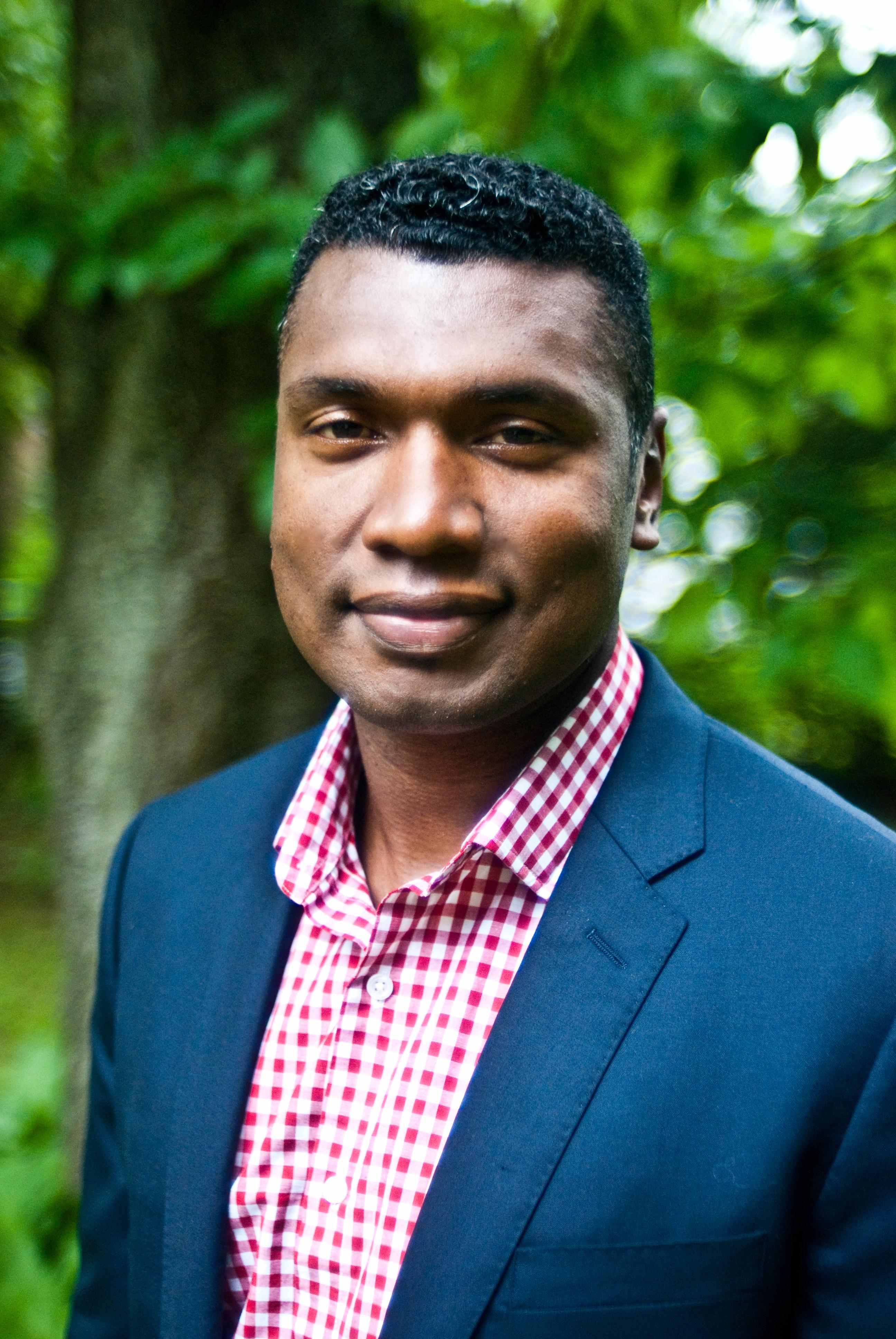
Stephon Alexander is a theoretical physicist specializing in cosmology, particle physics,
and quantum gravity, with a focus on string theory and loop quantum gravity. He received
his BSc in 1993 from Haverford College and his PhD in 2000 from Brown University.
He held postdoctoral research fellowships at Imperial College London and the Stanford
University Linear Accelerator Center, and has previously held faculty positions at
Penn State, Haverford College, and Dartmouth College.
He also explores the interconnections between music, physics, mathematics, and technology
through recordings, performance, teaching, and public lectures. His collaborations
and performances include work with Will Calhoun, Brian Eno, Marc Cary, Vernon Reid,
Ronnie Burrage, and Jaron Lanier.
David Arvidsson-Shukur, Ph.D.
David Arvidsson-Shukuris a senior quantum researcher at Hitachi Cambridge Laboratory and a fellow at Girton College, University of Cambridge. His work centers on the fundamental aspects of quantum mechanics, including quantum computing, quantum metrology, and simulating theoretical physics concepts like time travel.
Alexia Auffeves, Ph.D.
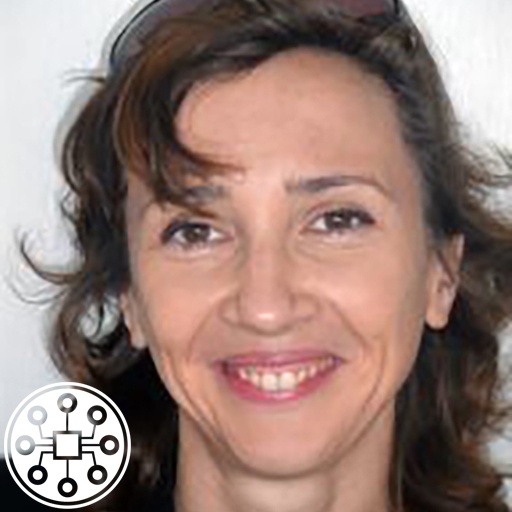
Dr. Alexia Auffèves did her Ph.D. in the group of S. Haroche, where she fabricated
Schrödinger cat states of light.She was hired at CNRS in 2005 to realize quantum optics
experiments with semiconducting quantum dots. She then took a theoretical turn. Dr.
Auffèves is expert in quantum thermodynamics, quantum information and quantum foundations,
and works in close connection with experimentalists and theorists worldwide.
She heads Quantum Engineering Grenoble since 2017.
Mark Bashkansky, Ph.D.
Dr. Bashkansky is employed as a civilian scientist in the Naval Research Laboratory
for the Department of Defense. He is interested in basic and applied research in the
fields of laser physics, quantum optics, nonlinear optics, and optical techniques
for the nondestructive evaluation of materials.
Scott Chapman, Ph.D.
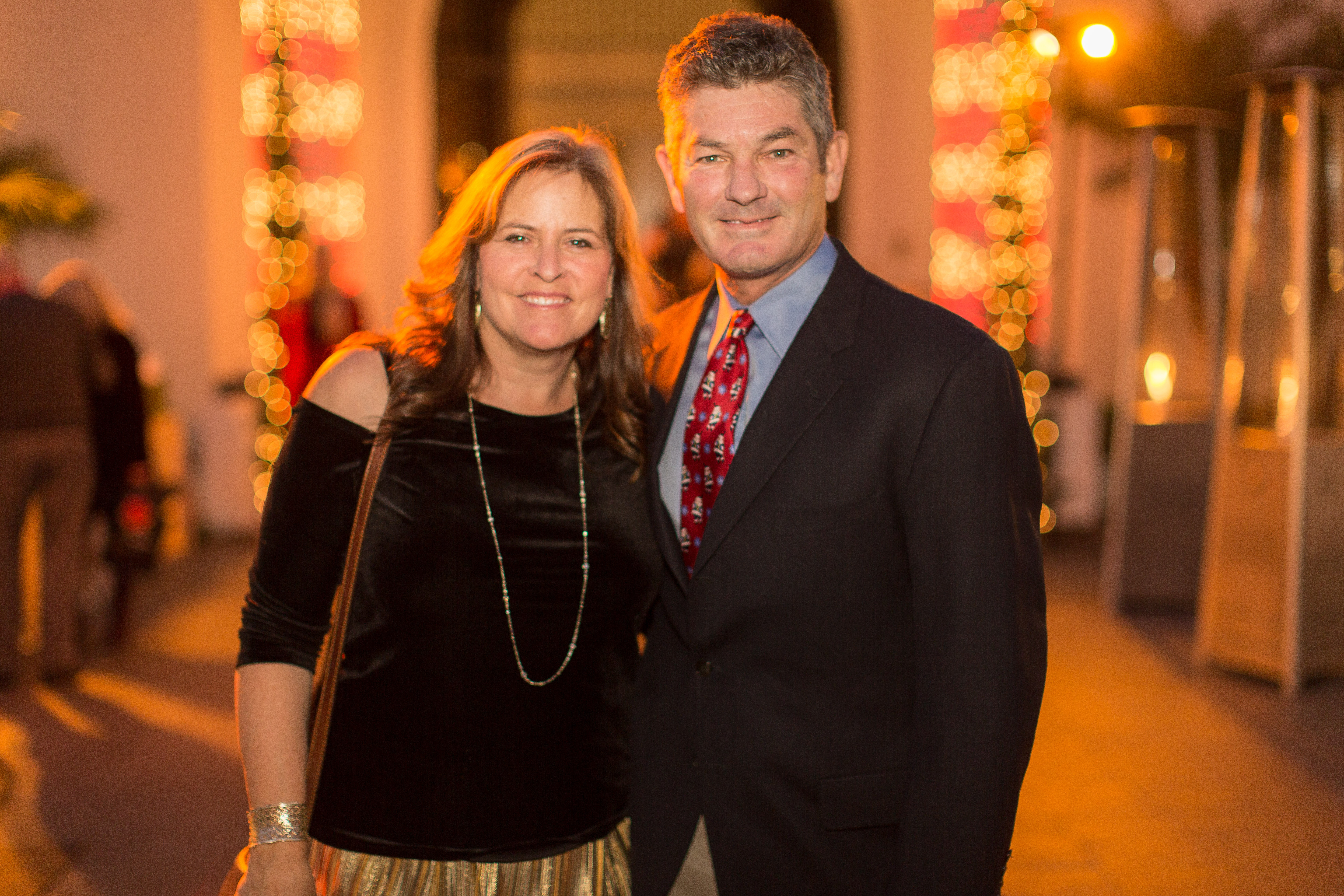
Scott Chapman is the son of Trustee C. Stanley Chapman and great-grandson of university
namesake C.C. Chapman. An alumnus of McKinsey & Company, he co-founded Project Hosts,
a successful computer business and consulting company which provides IT outsourcing.
Scott received his undergraduate degree from Yale in physics and then acquired a doctorate
in physics from UC Berkeley. After graduation, he traveled Europe and later led talks
at physics conferences around the world. Scott is a member of the Board of Trustees
of Chapman University and serves as the chair of the Digital Resources Committee.
François Englert, Ph.D.
Dr. Englert shares the 2013 Nobel Prize in Physics with Peter Higgs, "for the theoretical
discovery of a mechanism that contributes to our understanding of the origin of mass
of subatomic particles, and which recently was confirmed through the discovery of
the predicted fundamental particle, by the ATLAS and CMS experiments at CERN's Large
Hadron Collider".
Dr. François Englert has been a member of the Institute for Quantum Studies since
2011.
Avshalom Elitzur, Ph.D.
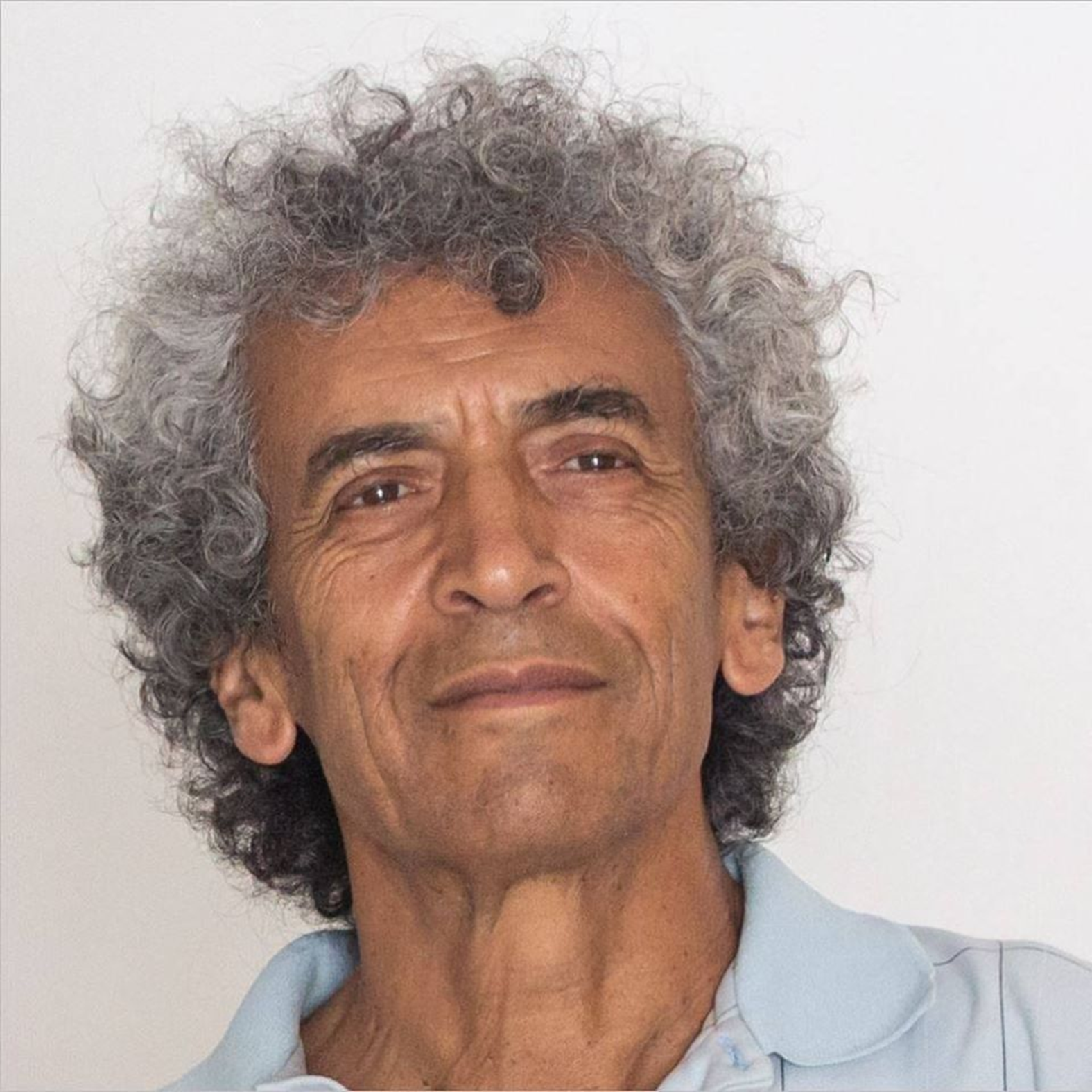 Avshalom Cyrus Elitzur was born in 1957 in Iran, from where his family emigrated to
Israel. He did his Ph.D. in Tel-Aviv University with Yakir Aharonov. Among his works
are the Elitzur-Vaidman bomb-testing experiment (with Lev Vaidman), quantum oblivion
(with Eliahu Cohen), the quantum liar paradox (with Aharonov, Smoli et al.), and the
disappearing and reappearing particle (with Aharonov et al.). His other published
papers deal with diverse issues in life and behavioral sciences, such as the thermodynamics
of living systems, suicide prevention and the mind-body problem. He is one of the
founding members of Iyar, the Israel Institute for Advanced Research in Lod, Israel.
Avshalom Cyrus Elitzur was born in 1957 in Iran, from where his family emigrated to
Israel. He did his Ph.D. in Tel-Aviv University with Yakir Aharonov. Among his works
are the Elitzur-Vaidman bomb-testing experiment (with Lev Vaidman), quantum oblivion
(with Eliahu Cohen), the quantum liar paradox (with Aharonov, Smoli et al.), and the
disappearing and reappearing particle (with Aharonov et al.). His other published
papers deal with diverse issues in life and behavioral sciences, such as the thermodynamics
of living systems, suicide prevention and the mind-body problem. He is one of the
founding members of Iyar, the Israel Institute for Advanced Research in Lod, Israel.
Sir Anthony Leggett, FRS, Ph.D.

Sir Anthony Leggett shares the 2003 Nobel Prize in Physics, honored "for pioneering
contributions to the theory of superconductors and superfluids". Dr. Leggett officially
became Sir Anthony Leggett by royal recognition from Queen Elizabeth II, appointing him a Knight Commander of
the Order of the British Empire during Birthday Honours in 2004. Sir Anthony Leggett was also elected a Fellow of the Royal Society in 1980.
Sir Anthony Leggett has been a member of the Institute for Quantum Studies since 2011.
Domenico Napoletani, Ph.D.
Member of the Institute for Quantum Studies.
More info...
Shumel Nussinov, Ph.D.
Member of the Institute for Quantum Studies.Professor Emeriti at Tel Aviv University.
Dr. Nussinov has been an Affiliated Scholar, and Member, of the Institute for Quantum
Studies since 2011.
Dr. Nussinov is on the Editorial Board of the Institute for Quantum Studies journal, Quantum Studies: Mathematics
and Foundations.
More info...
Gina Passante, Ph.D.
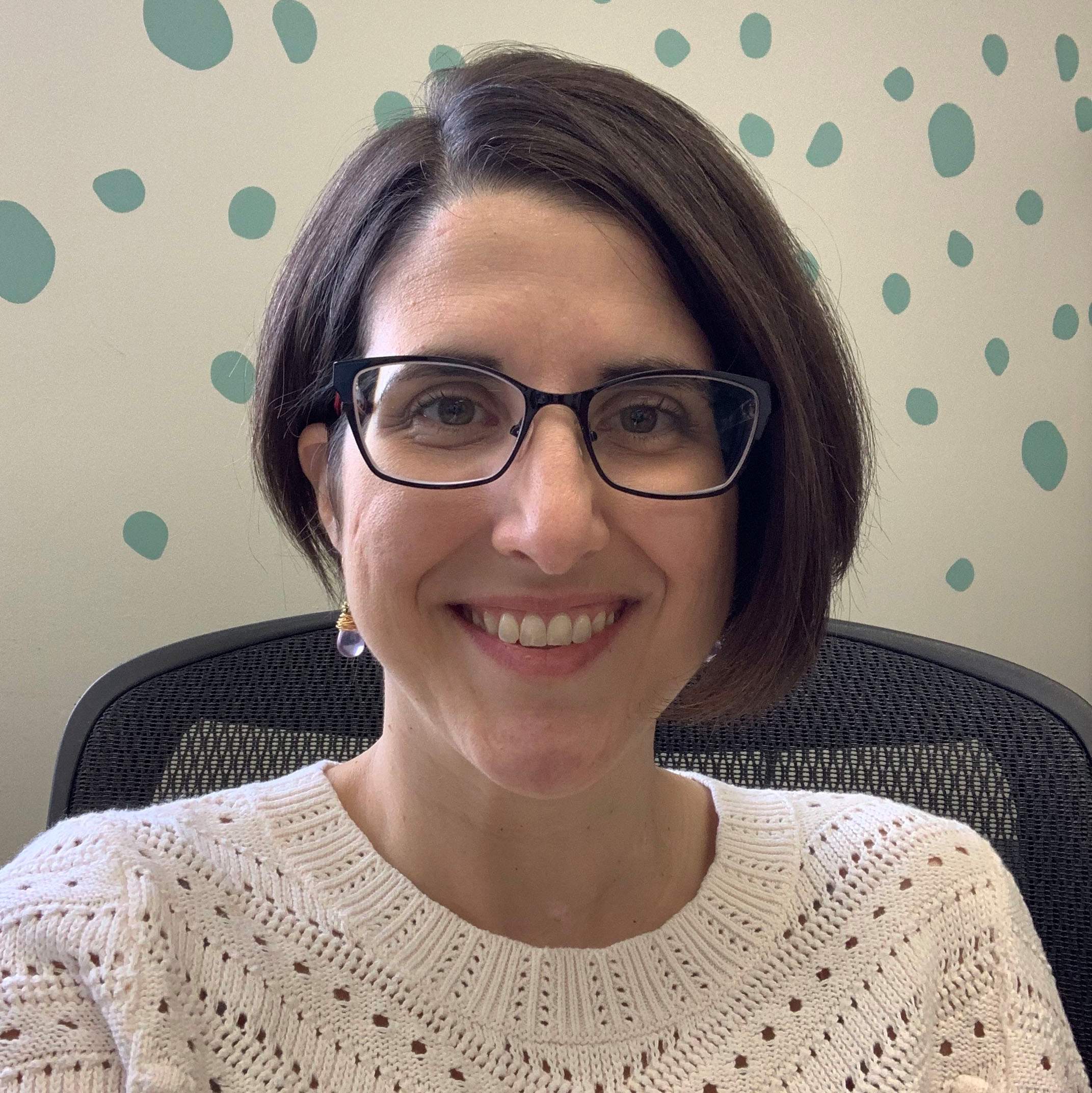
Gina Passante is an Associate Professor of Physics at California State University,
Fullerton. After receiving her PhD from the Institute for Quantum Computing at the
University of Waterloo, Gina transitioned to Physics Education Research with a postdoctoral
fellowship at the University of Washington. Her current research focuses on the teaching
and learning of all things quantum. She has co-authored a collection of research-based
instructional materials for quantum mechanics and quantum computing courses.
Sandu Popescu, Ph.D.
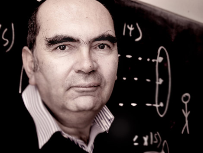
Dr. Sandu Popescu is Professor of Physics at University of Bristol.Dr. Popescu was awarded the Clifford Paterson Medal and Lecture prize by the Royal Society in 2004, and later appointed a Wolfson Research Merit Award holder by the Royal Society in 2012 for work on quantum non-locality.
Dr. Popescu has been a member of the Institute for Quantum Studies since 2011.
Irene Sabadini, Ph.D.
Dr. Irene Sabadini is Professor of Geometry at Politecnico di Milano, Italy.
Dr. Sabadini has been an Affiliated Scholar, and Member, of the Institute for Quantum
Studies since 2011.
Luis L. Sánchez-Soto, Ph.D.
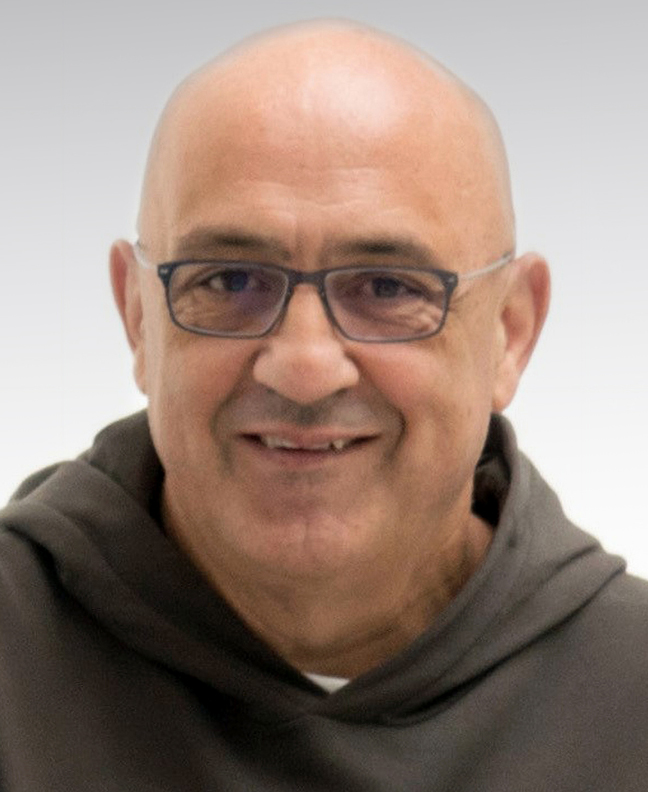
Luis L. Sánchez-Soto earned his M.Sc. in Physics in 1984 and a Ph.D. in Theoretical
Physics in 1988, both from the Universidad Complutense in Madrid (UCM). Throughout
his career, he has held visiting research appointments at numerous distinguished institutions
worldwide, including universities in Paris, Stockholm, and Olomouc (Czech Republic),
among others, fostering a broad and international scientific perspective.
Yutaka Shikano, Ph.D.

Dr. Yutaka Shikano is Project Associate Professor at Research Center for Advanced Science and Technology, The University of Tokyo in Japan.
Dr. Shikano has been an Affiliated Scholar, and Member, of the Institute for Quantum
Studies since 2012.
Irfan Siddiqi, Ph.D.
 Irfan Siddiqi received his AB (1997) in chemistry & physics from Harvard University.
He then went on to receive a Ph.D. (2002) in applied physics from Yale University,
where he stayed as a postdoctoral researcher until 2005. Irfan joined the physics
department at the University of California, Berkeley in the summer of 2006. In 2006,
Irfan was awarded the George E. Valley, Jr. prize by the American Physical Society
for the development of the Josephson bifurcation amplifier. In 2007, he was awarded
the Office of Naval Research Young Investigator Award, the Hellman Family Faculty
Fund, and the UC Berkeley Chancellor’s Partnership Faculty Fund.
Irfan Siddiqi received his AB (1997) in chemistry & physics from Harvard University.
He then went on to receive a Ph.D. (2002) in applied physics from Yale University,
where he stayed as a postdoctoral researcher until 2005. Irfan joined the physics
department at the University of California, Berkeley in the summer of 2006. In 2006,
Irfan was awarded the George E. Valley, Jr. prize by the American Physical Society
for the development of the Josephson bifurcation amplifier. In 2007, he was awarded
the Office of Naval Research Young Investigator Award, the Hellman Family Faculty
Fund, and the UC Berkeley Chancellor’s Partnership Faculty Fund.
Aephraim Steinberg, Ph.D.
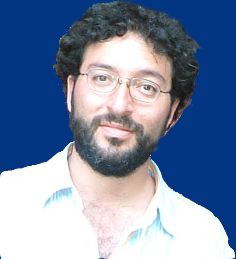
Aephraim M. Steinberg is a quantum physicist at the University of Toronto whose research
spans experimental quantum measurement, ultracold atoms, quantum optics, and quantum
information He has studied fundamental problems like how long atoms spend “inside”
a barrier while tunneling. He holds a B.S. from Yale and a Ph.D. from UC Berkeley,
and has received many honors including the Rutherford Medal and being named a University
Professor.
Read More About Aephraim's Research Here
Leonard Susskind, Ph.D.
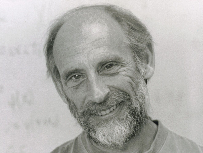
Dr. Leonard Susskind is the Felix Bloch Professor of Theoretical Physics at Stanford University, and the Wells Family Director of the Stanford Institute for Theoretical Physics.
Dr. Susskind has been a member of the Institute for Quantum Studies since 2012.
Lev Vaidman, Ph.D.
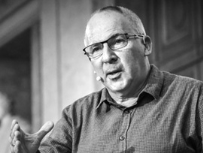
Dr. Lev Vaidman is the Alex Maguy-Glass Chair in Physics of Complex Systems at Tel Aviv University.
Dr. Vaidman has been an Affiliated Scholar, and Member, of the Institute for Quantum
Studies since 2011.
Howard Wiseman, Ph.D.
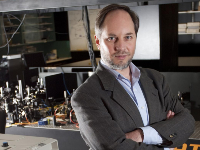
Dr. Howard Wiseman is Professor of Physics, as well as Director of Centre for Quantum Dynamics at Griffith University, Australia. He is also a Program Manager at Centre for Quantum Computation and Communication Technology (ARC
Centre of Excellence). Dr. Wiseman's awards include the Bragg Medal of the Australian Institute of Physics in 1995, the Pawsey Medal of the Australian Academy of Science in 2003, and the Malcom Macintosh Medal in 2003 (one of the Prime Minister's Prizes for Science). He is also a fellow of the Australian Academy of Science, a
Fellow of the American Physical Society, and
a Fellow of the Optical
Society of America.
Dr. Wiseman has been an Affiliated Scholar, and Member, of the Institute for Quantum
Studies since 2016.

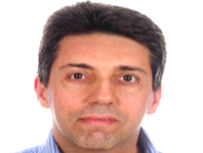 Dr. Fabrizio Colombo is Associate Professor of Mathematical Analysis at Politecnico di Milano, Italy.