lunch at the forum
Town & Gown

»Lunch at the Forum

alternate text

Lifelong Learning that Benefits Student Scholarships

Since 1994, Town & Gown has brought its signature speaker series, Lunch at the Forum, to its members and friends. Featuring Chapman University's outstanding faculty members and academic leaders speaking on their research, studies, and experiences, Lunch at the Forum has been a highlight for T&G members, alumni, parents, faculty, staff, friends, and members of the community.
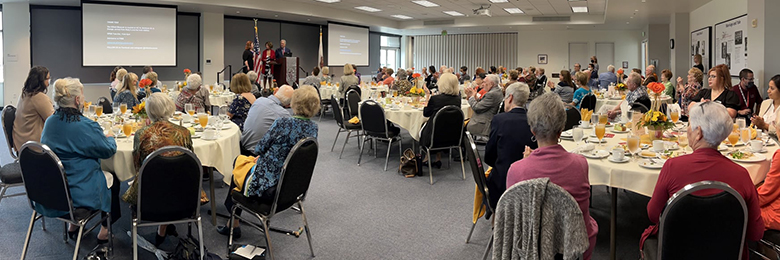
Welcome to the 33rd season of this fantastic speaker series!

Join us for a series of five lectures presented by some of Chapman University’s outstanding faculty members and academic leaders. 

11:30 a.m. | George H.W. Bush Conference Center, Beckman Hall, Room 404 

The Lunch at the Forum season series of five tickets are $280 for Town and Gown members and includes one ticket to Chapman University’s Sholund Concert.

Member single tickets are
$65 and non-member single tickets are $75.

To
purchase a ticket call (714) 997-6812. For all other inquiries regarding Town and Gown, reach out to townandgown@chapman.edu or (714) 289-2041.
 

alternate text
October 1, 2026

Adapting to Stress: Lessons I’ve Learned from Studying Microbes

Microbes are incredibly resilient. No matter what kind of challenges you present them with, they will nearly always find a way to acclimate, adapt, and come out stronger. For example, many microbes are notoriously “persistent,a term that describes a way they can resist antibiotics. Like people, microbes find different ways to adapt, persist, and thrive. Some find strength in numbers and act collectively; some will let others do all the work for them; some will just take a break and wait for things to get better. Provost Michael Ibba will share some of his insights, both academic and non-academic, from a career working on microbial stress and the genetic code. 

alternate text
November 5, 2026

Ambiguous Aging: Simone de Beauvoir, Growing Old, and the Women of Hollywood

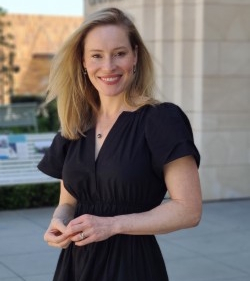
Simone de Beauvoir's book The Coming of Age (1972) presents her complex thinking about what it means to grow old.Professor Kelli Fuery presentsa compelling case that the book remains one of the most ambitious attempts to grapple with how society treats its elderly, even after 50 years of its original publication. Beauvoir framed ageing through the lens of economic productivity—that society devalues those who are no longer seen as useful. But, rather than offering a fixed verdict on growing old, Beauvoir’s argument suggests an intriguing space for reinterpreting ageing, inviting us to consider a paradox in which physical ageing involves both loss and reinvention.  

alternate text
February 4, 2027

Less Algorithm. More Human. How AI Is Giving Healthcare Professionals the Gift of Presence

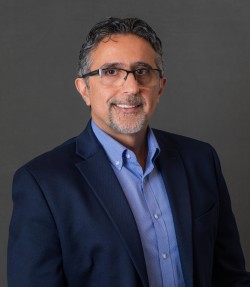
Artificial intelligence is reshaping healthcare at a breathtaking pace—automating diagnostics, streamlining documentation, and predicting outcomes with extraordinary precision. But what happens to the human side of healing when algorithms take over the routine? In this talk, Dr. Reza Taheri explores the powerful paradox at the center of modern medicine: that our most advanced technology may be the key to reclaiming healthcare’s most essential element, the human connection. He will discuss how AI-driven efficiencies are beginning to create space for healthcare professionals to listen more deeply, communicate with greater empathy, and reconnect with the very reason they entered the profession.  

alternate text
March 4, 2027

Reel Lessons, Real Consequences: Hollywood’s Teachers and the Stories They Tell

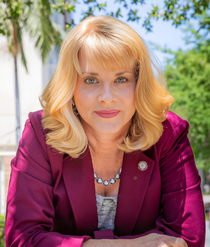
Drawing on the idea that movies quietly teach us what to believe about the world,Dean Roxanne Miller’s talk explores how film and television have shaped popular ideas about teachers and schools for more than seventy years. Beginning in the 1950s with Blackboard Jungle and continuing through well-known films such as Up the Down Staircase, Stand and Deliver, Freedom Writers, and The Ron Clark Story, among others, her talk highlights how inspiring “based on a true story” portrayals often simplify the real work of teaching. While these films have motivated generations to admire and enterthe teaching profession, they also reflect the political moods of their times and create expectations that overlook the complexity, challenges, and collective effort required in real classrooms today. 

alternate text
May 6, 2027

Opening the Window: An Insider’s Graphic Look at Chapman’s Past

How did Chapman’s iconic logo originate? What do the university’s four pillars share with the former Enid National Bank in Oklahoma? Which Hollywood film inspired the banners that line the campus today? And what’s the real story behind traditions like Spring Sizzle, the Student Orientation candle lighting ceremony—and even a rumored cease-and-desist over the Panther logo?Based on firsthand knowledge of the discussions and debates that forged Chapman’s brand, Professor Veston Rowe reveals how creative strategy, storytelling, and a few surprising twists helped transform Chapman College into the visually distinctive Chapman University we know today.