Our faculty is renowned in their fields and distinguished by their excellence in teaching, research, and creative activity. Use this searchable directory to find faculty by name, school, other key information found in their biography.
»Chapman University Faculty Directory
Search Faculty
1350 Results



Dr. Emily Adlam
Assistant Professor
Philosophy, Schmid College of Science and Technology; Physics, Schmid College of Science and Technology

Hank Adler
Professor; Clinical Faculty; Burra Executive Professor of Accounting
Business and Economics, The George L. Argyros College of Business and Economics


Dr. Crystle-Joie Agbayani
Assistant Professor; Instructional Faculty
Psychology, Crean College of Health and Behavioral Sciences


Dr. Erica Aguero
Assistant Professor; Artistic Faculty
Film and Media Arts, Lawrence and Kristina Dodge College of Film and Media Arts

Dr. Yakir Aharonov
Professor; James J. Farley Professorship in Natural Philosophy; Director of the Institute for Quantum Studies
Physics, Schmid College of Science and Technology
Dr. Aftab Ahmed
Associate Professor; Research Faculty and Core Laboratory Manager
Pharmacy, School of Pharmacy

Jennifer Akana Sturla
Lecturer
University Programs, General; Film and Media Arts, Lawrence and Kristina Dodge College of Film and Media Arts
Ola Al Asadi
Lecturer
Business and Economics, The George L. Argyros College of Business and Economics

Dr. Leah Aldridge
Assistant Professor; Artistic Faculty
Film and Media Arts, Lawrence and Kristina Dodge College of Film and Media Arts


Dr. Mohamed Allali
Associate Professor
Electrical Engineering and Computer Science, Fowler School of Engineering; Mathematics, Schmid College of Science and Technology

Dr. Angelica Allen
Assistant Professor
Wilkinson College Other Programs, Wilkinson College of Arts, Humanities, and Social Sciences

Dr. Quaylan Allen
Associate Professor; Director, First-Generation Programs
Education, Attallah College of Educational Studies
Dr. Daniel Alpay
Professor; Foster G. and Mary McGaw Professorship in Mathematical Sciences
Mathematics, Schmid College of Science and Technology; Electrical Engineering and Computer Science, Fowler School of Engineering

Dr. Brian Alters
Professor
Education, Attallah College of Educational Studies; Biological Sciences, Schmid College of Science and Technology

Dr. Sandra Alvarez
Assistant Professor; Instructional Faculty
Political Science, Wilkinson College of Arts, Humanities, and Social Sciences
Dr. Mina Ameri
Assistant Professor
Business and Economics, The George L. Argyros College of Business and Economics


Scott Anderson
Instructor
Business and Economics, The George L. Argyros College of Business and Economics

Dr. Paul Apodaca
Associate Professor Emeritus of Sociology
Sociology, Wilkinson College of Arts, Humanities, and Social Sciences

Dr. Emad Arasteh
Assistant Professor
Electrical Engineering and Computer Science, Fowler School of Engineering
Gustavo Arellano
Lecturer
Wilkinson College Other Programs, Wilkinson College of Arts, Humanities, and Social Sciences
Dr. Olivier Armantier
Professor; Dunn Distinguished Visiting Research Professor
Economic Science Institute, General

Dr. Kaan Ataman
Assistant Professor; Clinical Faculty
Business and Economics, The George L. Argyros College of Business and Economics


Dr. Rachel Atkinson
Lecturer; Clinical Faculty
Physical Therapy, Crean College of Health and Behavioral Sciences

Dr. Mark Axelrod
Professor; Director, John Fowles Center for Creative Writing; Wang-Fradkin Professorship in Scholarly Excellence (2012-2014)
English, Wilkinson College of Arts, Humanities, and Social Sciences

Dr. Ari Babaknia
Professor; Medical Director, Physician Assistant Studies Program; Clinical Faculty
Physician Assistant Studies, Crean College of Health and Behavioral Sciences

Dr. Earl Babbie
Professor Emeritus of Sociology
Sociology, Wilkinson College of Arts, Humanities, and Social Sciences
Dr. Gordon Babst
Associate Professor
Political Science, Wilkinson College of Arts, Humanities, and Social Sciences

Dr. Albert Bach
Associate Professor; Pharmacy Practice; Director of Clinical Examinations and Stimulations
Pharmacy, School of Pharmacy

Dr. Christopher Bader
Professor; Chair, Department of Sociology
Sociology, Wilkinson College of Arts, Humanities, and Social Sciences; Business and Economics, The George L. Argyros College of Business and Economics
John Badham
Professor Emeritus of Film and Media Arts
Film and Media Arts, Lawrence and Kristina Dodge College of Film and Media Arts
Dr. Deepa Badrinarayana
Professor; Associate Dean for Research and Faculty Development
Law, Dale E. Fowler School of Law
Chris Bailey
Lecturer
Film and Media Arts, Lawrence and Kristina Dodge College of Film and Media Arts

Robert Bailey
Assistant Professor; Artistic Faculty
Film and Media Arts, Lawrence and Kristina Dodge College of Film and Media Arts


Dr. Sarah Bana
Assistant Professor
Business and Economics, The George L. Argyros College of Business and Economics
Maggie Bandur
Lecturer
Film and Media Arts, Lawrence and Kristina Dodge College of Film and Media Arts
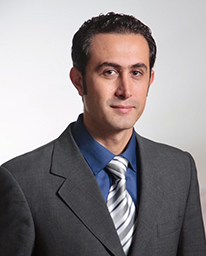
Dr. Yashar Barardehi
Assistant Professor
Business and Economics, The George L. Argyros College of Business and Economics
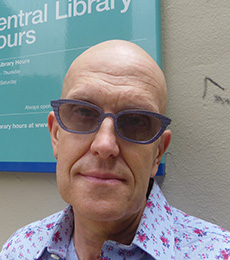


Dr. Mia Basic
Lecturer
Business and Economics, The George L. Argyros College of Business and Economics

Dr. Erin Baumgartner
Assistant Professor; Clinical Faculty
Physical Therapy, Crean College of Health and Behavioral Sciences


Dr. Alexander Bay
Associate Professor
History, Wilkinson College of Arts, Humanities, and Social Sciences

Michael Bazyler
Professor; 1939 Society Law Scholar in Holocaust and Human Rights Studies
Law, Dale E. Fowler School of Law

Robert Becker
Associate Professor Emeritus of Music
Conservatory of Music, College of Performing Arts

Dr. Leah Beekman-Velarde
Assistant Professor; Clinical Faculty
Communication Sciences and Disorders, Crean College of Health and Behavioral Sciences
Bryan Behar
Lecturer
Film and Media Arts, Lawrence and Kristina Dodge College of Film and Media Arts


Dr. Arleen Bejerano
Associate Professor; Instructional Faculty
Communication Studies, School of Communication
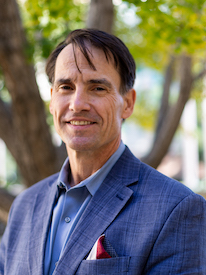

Bennett Bellot
Lecturer
Film and Media Arts, Lawrence and Kristina Dodge College of Film and Media Arts

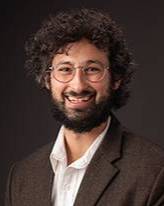
Dr. Seth Benzell
Assistant Professor
Business and Economics, The George L. Argyros College of Business and Economics

Dr. Vincent Berardi
Associate Professor
Psychology, Crean College of Health and Behavioral Sciences; Electrical Engineering and Computer Science, Fowler School of Engineering

Dr. Yvonne Bergeon Brewer
Lecturer
Physical Therapy, Crean College of Health and Behavioral Sciences

David Berkovitz
Assistant Professor; Clinical Faculty
Business and Economics, The George L. Argyros College of Business and Economics
Kevin Berlandi
Lecturer
Film and Media Arts, Lawrence and Kristina Dodge College of Film and Media Arts
Bari Berman
Lecturer
Business and Economics, The George L. Argyros College of Business and Economics
Dr. Justin Berner
Assistant Professor
World Languages and Cultures, Wilkinson College of Arts, Humanities, and Social Sciences
Erin Berthon
Wilkinson College Other Programs, Wilkinson College of Arts, Humanities, and Social Sciences

Dr. Laressa Bethishou
Associate Professor; Pharmacy Practice; Director of Professional Education
Pharmacy, School of Pharmacy

Gil Bettman
Professor
Film and Media Arts, Lawrence and Kristina Dodge College of Film and Media Arts


Dr. Julye Bidmead
Associate Professor
Religious Studies, Wilkinson College of Arts, Humanities, and Social Sciences
William Bigelow
Lecturer
Film and Media Arts, Lawrence and Kristina Dodge College of Film and Media Arts

Dr. Andrew Bird
Associate Professor
Business and Economics, The George L. Argyros College of Business and Economics

John Bishop
Associate Professor; Associate Professor of Legal Practice
Law, Dale E. Fowler School of Law
Dr. Marco Bisoffi
Associate Professor; Co-Program Director for the Faculty of Chemistry and Biochemistry
Biological Sciences, Schmid College of Science and Technology; Health Sciences, Crean College of Health and Behavioral Sciences; Pharmacy, School of Pharmacy; Chemistry, Schmid College of Science and Technology
Vinicius Bittencourt
Lecturer
Business and Economics, The George L. Argyros College of Business and Economics
Dirk Blackman
Lecturer
Film and Media Arts, Lawrence and Kristina Dodge College of Film and Media Arts

Helene Blanchette
Instructor; Instructional Faculty
Business and Economics, The George L. Argyros College of Business and Economics

Dr. Arthur Blaser
Professor Emeritus of Political Science and Peace Studies
Political Science, Wilkinson College of Arts, Humanities, and Social Sciences; Peace Studies, Wilkinson College of Arts, Humanities, and Social Sciences
Mark Blaszkiewicz
Lecturer
Film and Media Arts, Lawrence and Kristina Dodge College of Film and Media Arts

James Blaylock
Professor Emeritus of English
English, Wilkinson College of Arts, Humanities, and Social Sciences


Russell Boast
Assistant Professor; Artistic Faculty
Film and Media Arts, Lawrence and Kristina Dodge College of Film and Media Arts
Alan Bodner
Lecturer
Film and Media Arts, Lawrence and Kristina Dodge College of Film and Media Arts

Dr. Julia Boehm
Associate Professor; Associate Chair of Psychology
Psychology, Crean College of Health and Behavioral Sciences
Daniel Bogart
Professor; Bolinger Chair in Real Estate, Land Use and Environmental Law
Law, Dale E. Fowler School of Law


Dr. Jacob Bohrod
Assistant Professor; Instructional Faculty
Film and Media Arts, Lawrence and Kristina Dodge College of Film and Media Arts

Dr. John Boitano
Associate Professor; Chair, Department of World Languages and Culture
World Languages and Cultures, Wilkinson College of Arts, Humanities, and Social Sciences; Peace Studies, Wilkinson College of Arts, Humanities, and Social Sciences
Dr. Jess Boling
Assistant Professor; Instructional Faculty
Mathematics, Schmid College of Science and Technology

Dr. Nicolai Bonne
Assistant Professor; Instructional Faculty
Chemistry, Schmid College of Science and Technology
Frederick Bourbon
Lecturer
Film and Media Arts, Lawrence and Kristina Dodge College of Film and Media Arts
Ryan Bourque
Lecturer
Business and Economics, The George L. Argyros College of Business and Economics

Dr. Robert Bowen
Professor; Research Faculty
Business and Economics, The George L. Argyros College of Business and Economics
Katherine Bowman
Lecturer
Communication Sciences and Disorders, Crean College of Health and Behavioral Sciences

Dr. LouAnne Boyd
Associate Professor
Electrical Engineering and Computer Science, Fowler School of Engineering

Jay Boylan
Professor Emeritus of Film and Media Arts
Film and Media Arts, Lawrence and Kristina Dodge College of Film and Media Arts

Dr. John Brady
Professor Emeritus of Counseling and School Psychology
Education, Attallah College of Educational Studies

Dr. Jacklyn Brechter
Associate Professor Emerita of Physical Therapy
Physical Therapy, Crean College of Health and Behavioral Sciences

Lori Breeden-Gomez
Lecturer
Marriage and Family Therapy, Crean College of Health and Behavioral Sciences


Allan Brocka
Lecturer
Film and Media Arts, Lawrence and Kristina Dodge College of Film and Media Arts

Ivar Brogger
Lecturer
Film and Media Arts, Lawrence and Kristina Dodge College of Film and Media Arts

Dr. Erik Brooks
Assistant Professor; Instructional Faculty
Communication Studies, School of Communication

Dr. Jack Broughton
Associate Professor
Business and Economics, The George L. Argyros College of Business and Economics

Brianna Brown
Lecturer
Film and Media Arts, Lawrence and Kristina Dodge College of Film and Media Arts


Dr. James Brown
Professor; Instructional Faculty
Peace Studies, Wilkinson College of Arts, Humanities, and Social Sciences

Larissa Brown
Lecturer
Film and Media Arts, Lawrence and Kristina Dodge College of Film and Media Arts

Dr. Lawrence Brown
Professor; Associate Dean of Undergraduate Pharmacy Programs and Partnerships
Pharmacy, School of Pharmacy

Dr. Patricia Brown
Associate Professor; Clinical Faculty
Physical Therapy, Crean College of Health and Behavioral Sciences

Victoria Brown
Lecturer
Marriage and Family Therapy, Crean College of Health and Behavioral Sciences
Dr. Anna Brownell
Professor Emerita of Biological Sciences
Health Sciences, Crean College of Health and Behavioral Sciences; Biological Sciences, Schmid College of Science and Technology

Dr. Jean-Louis Bru
Assistant Professor; Instructional Faculty
Biological Sciences, Schmid College of Science and Technology

James Brust
Associate Professor; Artistic Faculty
Film and Media Arts, Lawrence and Kristina Dodge College of Film and Media Arts


Dr. Tess Buckley
Assistant Professor; Instructional Faculty
Communication Studies, School of Communication

Dr. Jocelyn L. Buckner
Associate Professor; Chair, Department of Theatre
Theatre, College of Performing Arts


Dr. Michael Burney
Associate Professor; Clinical Faculty
Physician Assistant Studies, Crean College of Health and Behavioral Sciences

Dr. Terence Burnham
Associate Professor
Business and Economics, The George L. Argyros College of Business and Economics; Economic Science Institute, General


Juan Bustos
Instructor
World Languages and Cultures, Wilkinson College of Arts, Humanities, and Social Sciences
Dr. Patricia C. Lopes
Associate Professor
Biological Sciences, Schmid College of Science and Technology
Marissa Caccavale
Lecturer
Communication Sciences and Disorders, Crean College of Health and Behavioral Sciences


Marc Callahan
Associate Professor; Robert and Norma Lineberger Endowed Chair in Music; Interim Director of Vocal Studies
Conservatory of Music, College of Performing Arts


Dr. Gabriele Camera
Professor
Economic Science Institute, General; Business and Economics, The George L. Argyros College of Business and Economics

Jaime Campbell
Assistant Professor; Instructional Faculty
English, Wilkinson College of Arts, Humanities, and Social Sciences
Kaycea Campbell
Lecturer
Business and Economics, The George L. Argyros College of Business and Economics
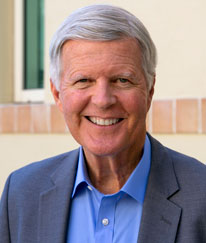
Dr. Thomas Campbell
Professor; Doy and Dee Henley Distinguished Professor of Jurisprudence
Law, Dale E. Fowler School of Law
Lindsey Campos
Lecturer
Communication Sciences and Disorders, Crean College of Health and Behavioral Sciences


Denise Canellos
Instructor; Instructional Faculty
Food Science, Schmid College of Science and Technology


Lan Cao
Professor; Betty Hutton Williams Professor of International Economic Law
Law, Dale E. Fowler School of Law

Dr. Fredric Caporaso
Professor Emeritus of Food Science
Food Science, Schmid College of Science and Technology
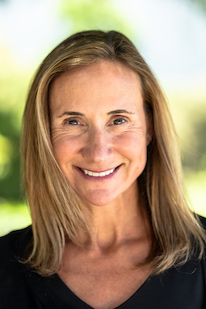
Jenny Carey
Professor; Professor of the Practice of Legal Research and Writing
Law, Dale E. Fowler School of Law
David Carlson
Lecturer
Business and Economics, The George L. Argyros College of Business and Economics

Dr. Emily Carman
Associate Professor
Film and Media Arts, Lawrence and Kristina Dodge College of Film and Media Arts


Dr. Jeanne Carriere
Assistant Professor; Instructional Faculty
Education, Attallah College of Educational Studies
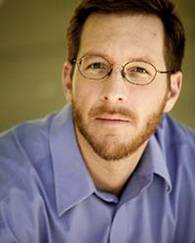
Andrew Carroll
Presidential Fellow in American War Letters; Founding Director of the Center for American War Letters

Dr. Virginia Carson
Professor Emerita of Biological Sciences
Biological Sciences, Schmid College of Science and Technology


Dr. Rodrigo Castillo Vasquez
Assistant Professor; Instructional Faculty
Physics, Schmid College of Science and Technology
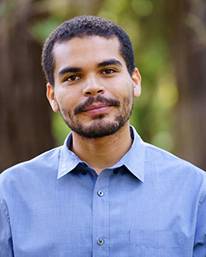

Jennifer Cates
Assistant Professor; Clinical Faculty
Physician Assistant Studies, Crean College of Health and Behavioral Sciences


Sunrise Changala
Instructor; Clinical Instructor; Director of the Learning Lab
Communication Sciences and Disorders, Crean College of Health and Behavioral Sciences

I-Ting Chao
Instructor; Director of Chinese Language Program
World Languages and Cultures, Wilkinson College of Arts, Humanities, and Social Sciences

Dr. Scott Chapman
Visiting Professor; Trustee Professor
Physics, Schmid College of Science and Technology


Dr. Monique Charles
Assistant Professor
Sociology, Wilkinson College of Arts, Humanities, and Social Sciences

Harry Cheney
Professor
Film and Media Arts, Lawrence and Kristina Dodge College of Film and Media Arts


John Chichester
Professor
Film and Media Arts, Lawrence and Kristina Dodge College of Film and Media Arts



Dr. Franceli Cibrian
Assistant Professor
Electrical Engineering and Computer Science, Fowler School of Engineering
Suzanne Cichuniec
Lecturer
Film and Media Arts, Lawrence and Kristina Dodge College of Film and Media Arts


Dr. Adam Clark
Assistant Professor
Business and Economics, The George L. Argyros College of Business and Economics


Dr. Stephen Coker
Associate Professor Emeritus of Music
Conservatory of Music, College of Performing Arts
Dr. Megan Cole
Lecturer
Creative and Cultural Industries, Wilkinson College of Arts, Humanities, and Social Sciences

Timothy Colohan
Lecturer
Film and Media Arts, Lawrence and Kristina Dodge College of Film and Media Arts

Dr. Anaida Colon Muniz
Professor Emerita of Education
Education, Attallah College of Educational Studies


Dr. John Compton
Professor
Political Science, Wilkinson College of Arts, Humanities, and Social Sciences

Jill Condon
Assistant Professor; Artistic Faculty
Film and Media Arts, Lawrence and Kristina Dodge College of Film and Media Arts

Dr. Corrado Confalonieri
Associate Professor; Bernardino Telesio Endowed Professor in Italian Studies
World Languages and Cultures, Wilkinson College of Arts, Humanities, and Social Sciences
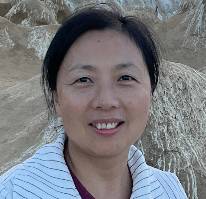
Dr. Zhen Cong
Professor; Chair, Health Sciences
Health Sciences, Crean College of Health and Behavioral Sciences
Kevin Conran
Lecturer
Film and Media Arts, Lawrence and Kristina Dodge College of Film and Media Arts
Martha Coolidge
Professor Emerita of Film and Media Arts
Film and Media Arts, Lawrence and Kristina Dodge College of Film and Media Arts

Jeremiah Cortez
Lecturer
Film and Media Arts, Lawrence and Kristina Dodge College of Film and Media Arts

Dr. Meghan Cosier
Professor; Director, Thompson Policy Institute on Disability and Autism
Education, Attallah College of Educational Studies

Dr. Gokcen Coskuner-Balli
Associate Professor; Associate Dean of Faculty and Research
Business and Economics, The George L. Argyros College of Business and Economics; Economic Science Institute, General
Vitoria Cottiss
Lecturer
Marriage and Family Therapy, Crean College of Health and Behavioral Sciences

Dr. Lori Cox Han
Professor; Doy B. Henley Chair of American Presidential Studies
Political Science, Wilkinson College of Arts, Humanities, and Social Sciences

Dr. Desiree Crevecoeur-MacPhail
Assistant Professor; Instructional Faculty
Psychology, Crean College of Health and Behavioral Sciences

Dr. Sean Crockett
Associate Professor; Clinical Faculty; Smith Institute for Political Economy and Philosophy
Business and Economics, The George L. Argyros College of Business and Economics

Dr. Henrik Cronqvist
Professor
Business and Economics, The George L. Argyros College of Business and Economics


Dr. David Crowe
Presidential Fellow in the Rodgers Center for Holocaust Education
History, Wilkinson College of Arts, Humanities, and Social Sciences
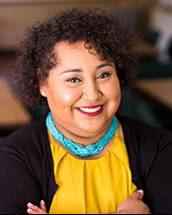

Dr. William Cumiford
Associate Professor; Instructional Faculty
History, Wilkinson College of Arts, Humanities, and Social Sciences
Graham Cunningham
Lecturer
Film and Media Arts, Lawrence and Kristina Dodge College of Film and Media Arts

Christelle Curilli
Lecturer
World Languages and Cultures, Wilkinson College of Arts, Humanities, and Social Sciences

Dr. Sonja Cwik
Assistant Professor; Instructional Faculty
Physics, Schmid College of Science and Technology

Angelo Dagonel
Instructor
Political Science, Wilkinson College of Arts, Humanities, and Social Sciences
Valentina Dalan
Lecturer
World Languages and Cultures, Wilkinson College of Arts, Humanities, and Social Sciences

Ruth Daly
Assistant Professor; Artistic Faculty
Film and Media Arts, Lawrence and Kristina Dodge College of Film and Media Arts

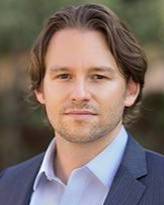
Dr. Brett Danaher
Associate Professor
Business and Economics, The George L. Argyros College of Business and Economics
Dr. Scot Danforth
Professor; Assistant Dean of Research
Education, Attallah College of Educational Studies

LaVonne Danganan
Lecturer
Communication Sciences and Disorders, Crean College of Health and Behavioral Sciences

Dr. Kendra Day
Assistant Professor; Instructional Faculty
Electrical Engineering and Computer Science, Fowler School of Engineering

Dr. Lemuel Day
Associate Professor
Sociology, Wilkinson College of Arts, Humanities, and Social Sciences

Dr. Daniel De Arakal
Assistant Professor; Instructional Faculty
Conservatory of Music, College of Performing Arts


Andres De La Torre Dubreuil
Assistant Professor; Artistic Faculty
Film and Media Arts, Lawrence and Kristina Dodge College of Film and Media Arts

Dr. Justin de Leon
Assistant Professor; Director of Ethnic Studies Minor
Wilkinson College Other Programs, Wilkinson College of Arts, Humanities, and Social Sciences


Lauri Deason
Lecturer
Film and Media Arts, Lawrence and Kristina Dodge College of Film and Media Arts
Dr. Bruce Dehning
Associate Professor
Business and Economics, The George L. Argyros College of Business and Economics

Kristen Del Dosso
Lecturer
Business and Economics, The George L. Argyros College of Business and Economics

Dr. Alessandro Del Ponte
Assistant Professor; Visiting Faculty
Political Science, Wilkinson College of Arts, Humanities, and Social Sciences


Christopher Dell
Assistant Professor
Film and Media Arts, Lawrence and Kristina Dodge College of Film and Media Arts

Dr. Dirk den Ouden
Professor; Chair of Communication Sciences & Disorders
Communication Sciences and Disorders, Crean College of Health and Behavioral Sciences

Dr. Mark DeSantis
Associate Professor
Business and Economics, The George L. Argyros College of Business and Economics; Economic Science Institute, General



Dr. Madeline Dintzner
Professor; Associate Dean of Assessment and Accreditation
Pharmacy, School of Pharmacy
Eve Doering
Lecturer
World Languages and Cultures, Wilkinson College of Arts, Humanities, and Social Sciences
Bryan Donnell
Lecturer
Film and Media Arts, Lawrence and Kristina Dodge College of Film and Media Arts

Dr. Shahryar Doosti
Assistant Professor
Business and Economics, The George L. Argyros College of Business and Economics

Michael Dopp
Assistant Professor; Instructional Faculty
Art, Wilkinson College of Arts, Humanities, and Social Sciences
Stacey Doss
Lecturer
Film and Media Arts, Lawrence and Kristina Dodge College of Film and Media Arts

Dr. Jim Doti
Professor; President Emeritus; Rick Muth Family Chair in Economics
Business and Economics, The George L. Argyros College of Business and Economics

Dr. Lynne Doti
Professor Emerita of Economics and Business Administration
Business and Economics, The George L. Argyros College of Business and Economics

Dr. Samantha Dressel
Assistant Professor; Instructional Faculty
English, Wilkinson College of Arts, Humanities, and Social Sciences


Rachel Du Mont-Greenlee
Lecturer
Creative and Cultural Industries, Wilkinson College of Arts, Humanities, and Social Sciences

Dr. Susan Duff
Associate Professor
Physical Therapy, Crean College of Health and Behavioral Sciences
Hansjeet Singh Duggal
Lecturer
Film and Media Arts, Lawrence and Kristina Dodge College of Film and Media Arts

Dr. Jill Dunham
Associate Professor; Instructional Faculty
Mathematics, Schmid College of Science and Technology


James Dutcher
Assistant Professor; Director of Curriculum Management; Artistic Faculty
Film and Media Arts, Lawrence and Kristina Dodge College of Film and Media Arts


Rona Edwards
Lecturer
Film and Media Arts, Lawrence and Kristina Dodge College of Film and Media Arts

Kurt Eggert
Professor
Law, Dale E. Fowler School of Law; Business and Economics, The George L. Argyros College of Business and Economics

Dr. Georg Eifert
Professor Emeritus of Psychology
Psychology, Crean College of Health and Behavioral Sciences
Dr. Parisa Eimanzadeh
Assistant Professor; Clinical Faculty
Business and Economics, The George L. Argyros College of Business and Economics

Elia Eiroa Lledo
Assistant Professor; Instructional Faculty
Electrical Engineering and Computer Science, Fowler School of Engineering
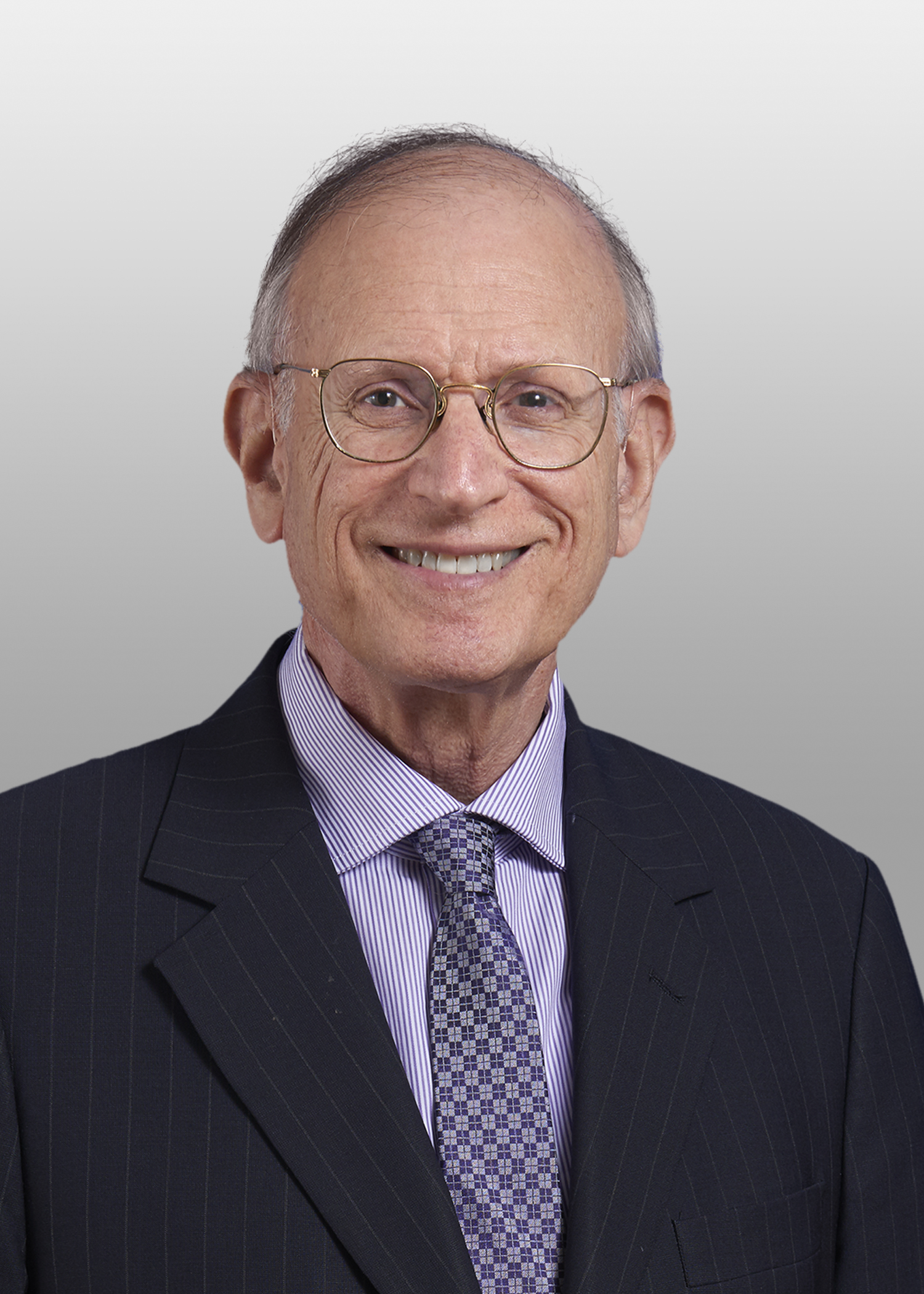

Dr. Aruna Ekanayake
Lecturer
Film and Media Arts, Lawrence and Kristina Dodge College of Film and Media Arts

Dr. Amer El-Ahraf
Lecturer
World Languages and Cultures, Wilkinson College of Arts, Humanities, and Social Sciences
Dr. Hesham El-Askary
Professor
Computational and Data Science, Schmid College of Science and Technology

Saga Elmohtaseb
Lecturer
Film and Media Arts, Lawrence and Kristina Dodge College of Film and Media Arts


Mark Engstrom
Lecturer
Business and Economics, The George L. Argyros College of Business and Economics


Dr. David Erkens
Associate Professor
Business and Economics, The George L. Argyros College of Business and Economics

Dr. Javier Espeleta
Associate Professor; Co-Director of the Grand Challenges Initiative; Clinical Faculty
Biological Sciences, Schmid College of Science and Technology

Cherryl Espinoza
Lecturer
Film and Media Arts, Lawrence and Kristina Dodge College of Film and Media Arts

Dr. Ruben Espinoza
Assistant Professor; Instructional Faculty
Sociology, Wilkinson College of Arts, Humanities, and Social Sciences; Wilkinson College Other Programs, Wilkinson College of Arts, Humanities, and Social Sciences
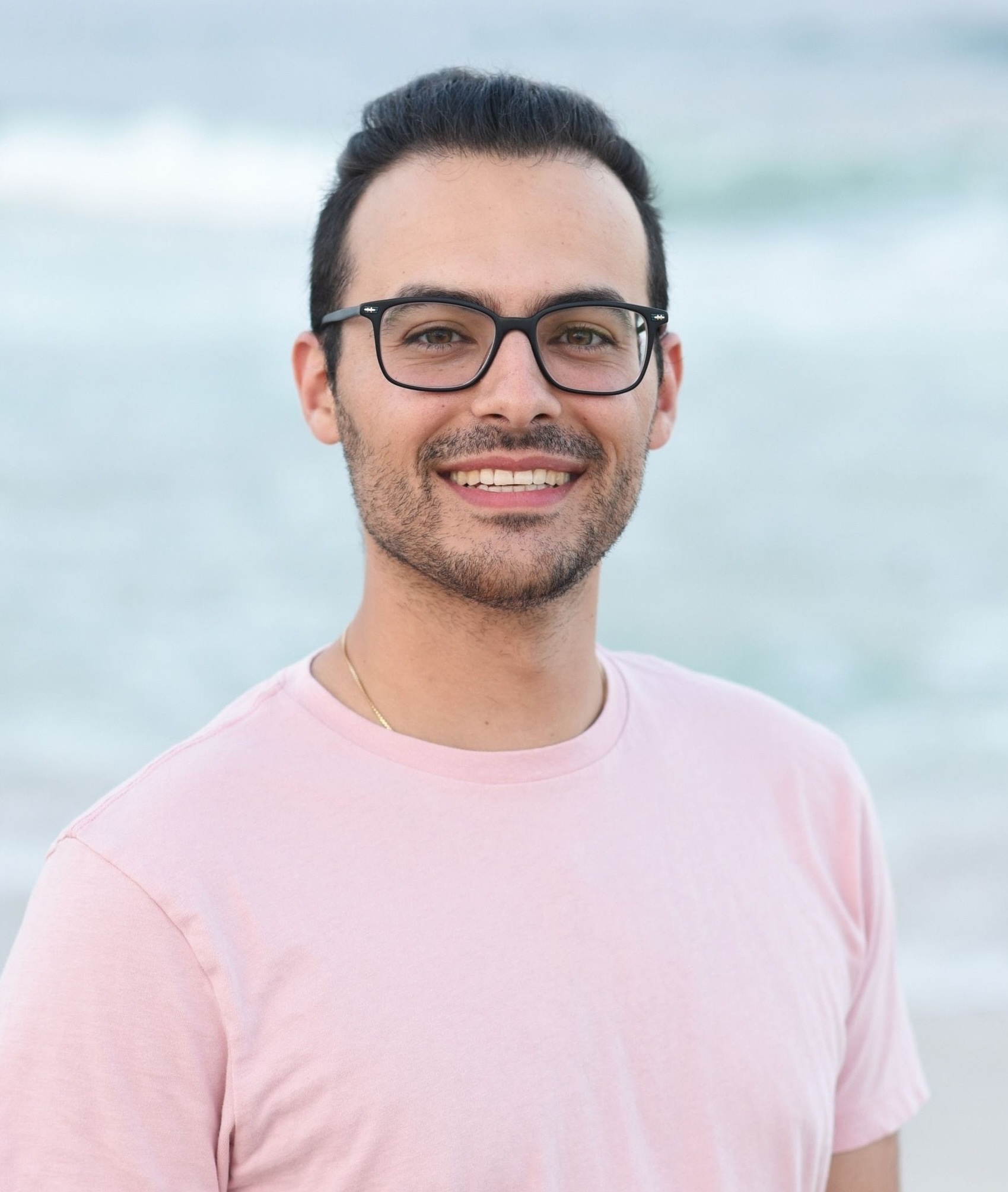
Milinda Estrada
Lecturer
Physician Assistant Studies, Crean College of Health and Behavioral Sciences

Dr. Maryam Etezadbrojerdi
Assistant Professor; Instructional Faculty
Electrical Engineering and Computer Science, Fowler School of Engineering

Pete Evanow
Lecturer
Business and Economics, The George L. Argyros College of Business and Economics
Dr. Mary Fagan
Associate Professor
Communication Sciences and Disorders, Crean College of Health and Behavioral Sciences

Dr. Michael Fahy
Professor Emeritus of Mathematics and Computer Science
Electrical Engineering and Computer Science, Fowler School of Engineering


Dr. Shawn Farrokhi
Professor; Chair, Physical Therapy
Physical Therapy, Crean College of Health and Behavioral Sciences
Rayan Farzad
Lecturer
Film and Media Arts, Lawrence and Kristina Dodge College of Film and Media Arts

Scott Feinberg
Lecturer; Trustee Professor
Film and Media Arts, Lawrence and Kristina Dodge College of Film and Media Arts
Ryan Fenton
Lecturer
Film and Media Arts, Lawrence and Kristina Dodge College of Film and Media Arts

Dr. Philip Ferguson
Professor Emeritus of Education
Education, Attallah College of Educational Studies
Rachel Fernandez
Lecturer
World Languages and Cultures, Wilkinson College of Arts, Humanities, and Social Sciences


Charles Fink
Lecturer
Film and Media Arts, Lawrence and Kristina Dodge College of Film and Media Arts


Eva Finn
Assistant Professor; Artistic Faculty
Film and Media Arts, Lawrence and Kristina Dodge College of Film and Media Arts


Dr. Allison Fisher
Assistant Professor; Instructional Faculty
Health Sciences, Crean College of Health and Behavioral Sciences

Dr. Joshua Fisher
Associate Professor
Environmental Science, Schmid College of Science and Technology

Tyler Fitzpatrick
Lecturer
Film and Media Arts, Lawrence and Kristina Dodge College of Film and Media Arts
Jeremy Flath
Lecturer
Film and Media Arts, Lawrence and Kristina Dodge College of Film and Media Arts


Dr. Marc Fleming
Professor; Chair, Department of Pharmaceutical Economics and Policy
Pharmacy, School of Pharmacy


Dr. Grace Fong
Professor; Director, Keyboard Studies
Conservatory of Music, College of Performing Arts
Adam Foshko
Lecturer
Film and Media Arts, Lawrence and Kristina Dodge College of Film and Media Arts


Dawn Fratini
Lecturer
Film and Media Arts, Lawrence and Kristina Dodge College of Film and Media Arts
Dr. Amanda Frazier
Schmid College of Science Other Programs, Schmid College of Science and Technology


Jim Fredrick
Professor
Film and Media Arts, Lawrence and Kristina Dodge College of Film and Media Arts

Tim Frenzel
Assistant Professor; Clinical Faculty
Business and Economics, The George L. Argyros College of Business and Economics

Dr. Jocelin Friedman
Assistant Professor; Clinical Faculty, Director of Clinical Education
Physical Therapy, Crean College of Health and Behavioral Sciences

Dr. Frank Frisch
Professor; Ombudsperson
Health Sciences, Crean College of Health and Behavioral Sciences

Annabelle Frost
Assistant Professor; Artistic Faculty
Film and Media Arts, Lawrence and Kristina Dodge College of Film and Media Arts
Dr. Cristina Fuentes
Assistant Professor; Director, Lower Division Spanish Program; Instructional Faculty
World Languages and Cultures, Wilkinson College of Arts, Humanities, and Social Sciences
Dr. Kelli Fuery
Professor
Creative and Cultural Industries, Wilkinson College of Arts, Humanities, and Social Sciences

Dr. Patrick Fuery
Professor; Founding Director of the Center for Creative and Cultural Industries in Wilkinson College
Creative and Cultural Industries, Wilkinson College of Arts, Humanities, and Social Sciences; English, Wilkinson College of Arts, Humanities, and Social Sciences

Christine Fugate
Assistant Professor
Film and Media Arts, Lawrence and Kristina Dodge College of Film and Media Arts

Kelly Fullerton
Lecturer
Film and Media Arts, Lawrence and Kristina Dodge College of Film and Media Arts
Daniel Funk
Lecturer
Film and Media Arts, Lawrence and Kristina Dodge College of Film and Media Arts

Judd Funk
Professor; Professor of the Practice of Entertainment Law
Law, Dale E. Fowler School of Law

Parisa Gallinger
Lecturer
Marriage and Family Therapy, Crean College of Health and Behavioral Sciences

Stephen Galloway
Dean of Dodge College of Film and Media Arts
Film and Media Arts, Lawrence and Kristina Dodge College of Film and Media Arts
Dr. Manjing Gao
Assistant Professor
Sociology, Wilkinson College of Arts, Humanities, and Social Sciences

Sarah Garcia
Lecturer
Wilkinson College Other Programs, Wilkinson College of Arts, Humanities, and Social Sciences
Mallory Garcia Grismer
Lecturer
World Languages and Cultures, Wilkinson College of Arts, Humanities, and Social Sciences


Dr. Matthew Gartner
Professor; Instructional Faculty; Director of Lab Learning
Chemistry, Schmid College of Science and Technology
Harrison Gaskill
Lecturer
Film and Media Arts, Lawrence and Kristina Dodge College of Film and Media Arts


Lorin Geitner
Lecturer
Religious Studies, Wilkinson College of Arts, Humanities, and Social Sciences; Law, Dale E. Fowler School of Law


Dr. Cristina Giannantonio
Professor; Vice Provost for Faculty Advancement and Institutional Effectiveness
Business and Economics, The George L. Argyros College of Business and Economics
Carolyn Giardina
Lecturer
Film and Media Arts, Lawrence and Kristina Dodge College of Film and Media Arts


James Gibson
Lecturer
Business and Economics, The George L. Argyros College of Business and Economics

Dr. Katharine Gillespie
Professor; Smith Institute for Political Economy and Philosophy
Business and Economics, The George L. Argyros College of Business and Economics

Dr. Christopher Girard
Assistant Professor; Instructional Faculty
Electrical Engineering and Computer Science, Fowler School of Engineering


Dr. Steven Gjerstad
Presidential Fellow in the Economic Science Institute
Business and Economics, The George L. Argyros College of Business and Economics; Economic Science Institute, General
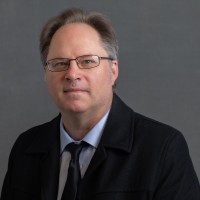
Dr. Brian Glaser
Associate Professor; Instructional Faculty
English, Wilkinson College of Arts, Humanities, and Social Sciences

Dr. Rebecca Glineburg
Assistant Professor
Biological Sciences, Schmid College of Science and Technology


Dr. Laura Glynn
Professor; Associate Dean for Research
Psychology, Crean College of Health and Behavioral Sciences
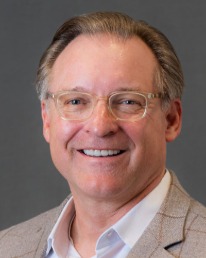


Halina Goetz
Assistant Emerita Professor of Mathematics
Mathematics, Schmid College of Science and Technology


Julian Goldberger
Lecturer
Film and Media Arts, Lawrence and Kristina Dodge College of Film and Media Arts

Dr. Gregory Goldsmith
Associate Professor; Associate Dean for Research and Development
Biological Sciences, Schmid College of Science and Technology

Candace Goodman
Instructor
World Languages and Cultures, Wilkinson College of Arts, Humanities, and Social Sciences

Rebecca Goodman
Assistant Professor; Instructional Faculty
English, Wilkinson College of Arts, Humanities, and Social Sciences

Dr. Ann Gordon
Associate Professor; Director to the Henley Social Sciences Laboratory
Political Science, Wilkinson College of Arts, Humanities, and Social Sciences
Michael Grady
Assistant Professor; Artistic Faculty
Film and Media Arts, Lawrence and Kristina Dodge College of Film and Media Arts

Alex Graham
Lecturer
Film and Media Arts, Lawrence and Kristina Dodge College of Film and Media Arts

Dr. Amy Graziano
Professor; Bertea Family Endowed Chair in Music in the Hall-Musco Conservatory of Music
Conservatory of Music, College of Performing Arts

Marques Green
Assistant Professor; Artistic Faculty
Film and Media Arts, Lawrence and Kristina Dodge College of Film and Media Arts


Nana Greenwald
Assistant Professor; Artistic Faculty
Film and Media Arts, Lawrence and Kristina Dodge College of Film and Media Arts
Dr. Michael Griffin
Professor Emeritus of Chemistry
Chemistry, Schmid College of Science and Technology; Pharmacy, School of Pharmacy; Health Sciences, Crean College of Health and Behavioral Sciences

Fred Grinstein
Lecturer
Film and Media Arts, Lawrence and Kristina Dodge College of Film and Media Arts

Dr. Margaret Grogan
Professor Emerita of Education
Education, Attallah College of Educational Studies


Dr. Jennifer Grumet
Associate Professor; Clinical Faculty
Physician Assistant Studies, Crean College of Health and Behavioral Sciences


Paul Gulino
Professor
Film and Media Arts, Lawrence and Kristina Dodge College of Film and Media Arts

Ian Gurvitz
Lecturer
Film and Media Arts, Lawrence and Kristina Dodge College of Film and Media Arts


Ryan Haley
Lecturer
Creative and Cultural Industries, Wilkinson College of Arts, Humanities, and Social Sciences

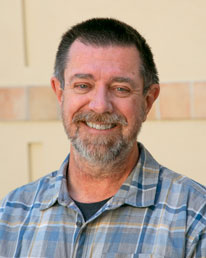
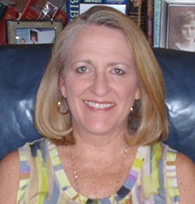
Dr. Lynda Hall
Associate Professor
English, Wilkinson College of Arts, Humanities, and Social Sciences

Timothy Hall
Instructor; Director of Woodwind and Brass Studies
Conservatory of Music, College of Performing Arts

Lia Halloran
Professor; Chair, Department of Art
Art, Wilkinson College of Arts, Humanities, and Social Sciences

Tamar Halpern
Assistant Professor; Artistic Faculty
Film and Media Arts, Lawrence and Kristina Dodge College of Film and Media Arts

Mariam Hamed
Assistant Professor; Artistic Faculty
Film and Media Arts, Lawrence and Kristina Dodge College of Film and Media Arts

Dr. Kyle Hampton
Associate Professor; Clinical Faculty; Smith Institute for Political Economy and Philosophy
Business and Economics, The George L. Argyros College of Business and Economics

Dr. Keith Hankins
Associate Professor; Smith Institute for Political Economy and Philosophy; RC Hoiles Chair of Business Ethics and Free Enterprise
Philosophy, Schmid College of Science and Technology

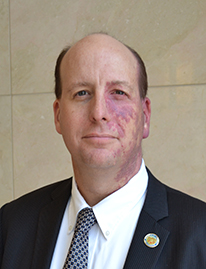

Amber Harper
Lecturer
Communication Sciences and Disorders, Crean College of Health and Behavioral Sciences
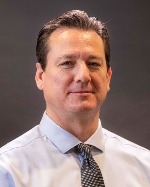
Dr. Brent Harper
Associate Professor
Physical Therapy, Crean College of Health and Behavioral Sciences

Dr. Kyle Harp-Rushing
Assistant Professor; Instructional Faculty
Wilkinson College Other Programs, Wilkinson College of Arts, Humanities, and Social Sciences

Dr. Marilyn Harran
Professor; Director, Rodgers Center for Holocaust Education; Stern Chair in Holocaust Education
Religious Studies, Wilkinson College of Arts, Humanities, and Social Sciences; History, Wilkinson College of Arts, Humanities, and Social Sciences

Dr. Kendall Harris
Interim Dean of Fowler Engineering
Electrical Engineering and Computer Science, Fowler School of Engineering
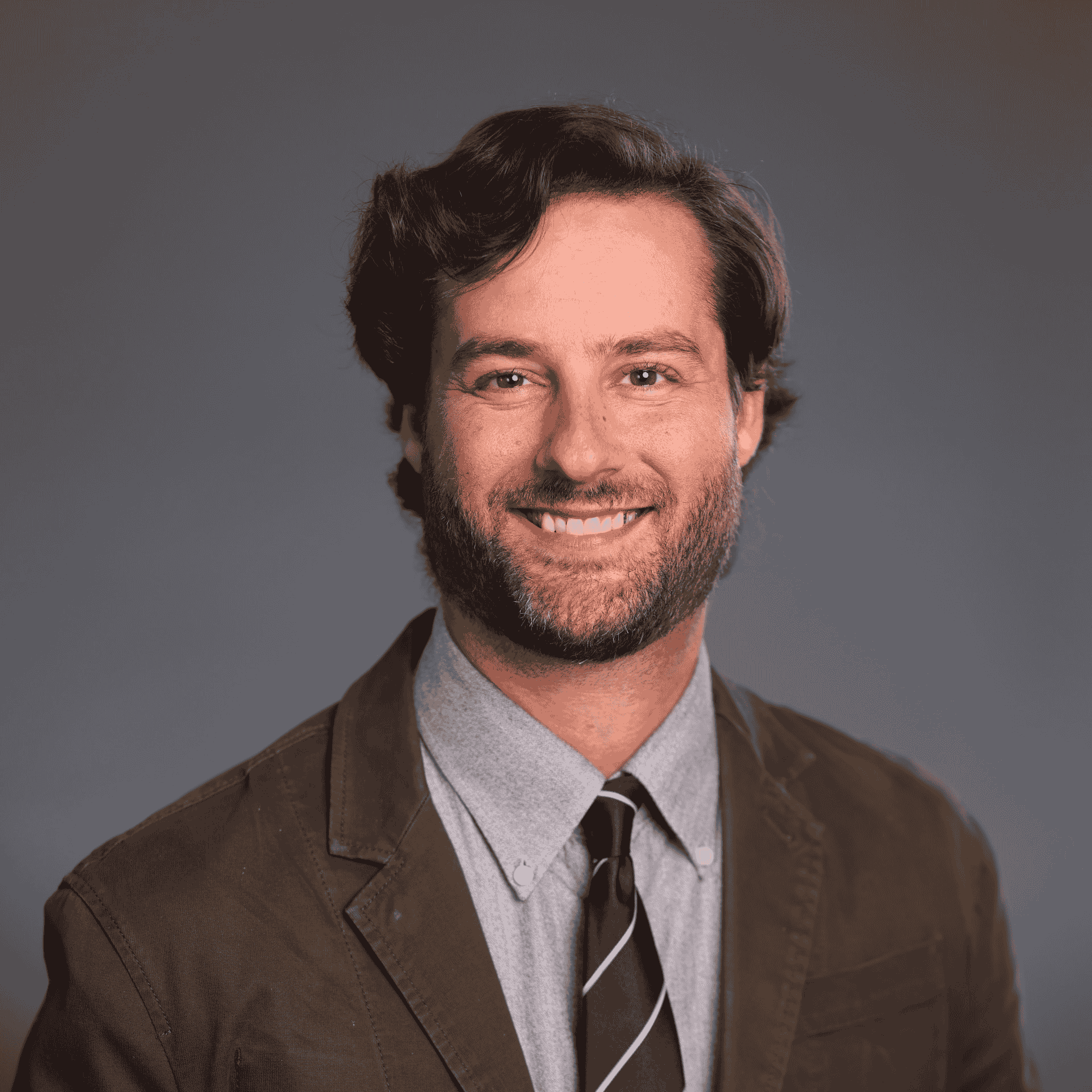
Dr. Mark Harrison
Assistant Professor
Electrical Engineering and Computer Science, Fowler School of Engineering

Dr. Corinna Hathuc
Assistant Professor; Instructional Faculty
Education, Attallah College of Educational Studies

Dr. Doug Havard
Assistant Professor
Education, Attallah College of Educational Studies; Electrical Engineering and Computer Science, Fowler School of Engineering
Kimberly Hayashi
Lecturer
Education, Attallah College of Educational Studies; Leadership Program, Attallah College of Educational Studies


Dr. Sean Heim
Professor; Director, Music Theory and Composition
Conservatory of Music, College of Performing Arts

Derek Helwig
Lecturer
Film and Media Arts, Lawrence and Kristina Dodge College of Film and Media Arts

Dr. James Herkimer
Assistant Professor; Instructional Faculty
Health Sciences, Crean College of Health and Behavioral Sciences

Maricela Hernandez
Lecturer
World Languages and Cultures, Wilkinson College of Arts, Humanities, and Social Sciences
Dr. Jonathan Hersh
Associate Professor
Business and Economics, The George L. Argyros College of Business and Economics


Angelina Hicks
Assistant Professor; Instructional Faculty
English, Wilkinson College of Arts, Humanities, and Social Sciences

Ricardo Higueros
Lecturer
Business and Economics, The George L. Argyros College of Business and Economics
Dr. Janeen Hill
Professor; Dean of Crean College
Health Sciences, Crean College of Health and Behavioral Sciences; Biological Sciences, Schmid College of Science and Technology

Dr. Kate Hill
Assistant Professor; Instructional Faculty
Biological Sciences, Schmid College of Science and Technology

Dr. Kathleen Hill-Besinque
Lecturer; Professor Emerita of Pharmacy Practice
Pharmacy, School of Pharmacy

Dr. Nadia Hirbawi
Assistant Professor; Instructional Faculty
Chemistry, Schmid College of Science and Technology

Dr. James Hirsch
Assistant Professor; Instructional Faculty
World Languages and Cultures, Wilkinson College of Arts, Humanities, and Social Sciences

Steven Hirsen
Lecturer
Film and Media Arts, Lawrence and Kristina Dodge College of Film and Media Arts

Dr. Polly Hodge
Associate Professor; Director, Spanish Major Program
World Languages and Cultures, Wilkinson College of Arts, Humanities, and Social Sciences


Dr. LL Hodges
Assistant Professor; Instructional Faculty
History, Wilkinson College of Arts, Humanities, and Social Sciences

Dr. Anne Hogan
Professor; Dean of the College of Performing Arts and the Musco Center for the Arts
Dance, College of Performing Arts

Richard Holland
Associate Professor; Artistic Faculty
Film and Media Arts, Lawrence and Kristina Dodge College of Film and Media Arts


Dr. Andrew Hooyman
Assistant Professor
Physical Therapy, Crean College of Health and Behavioral Sciences

Dr. Lynn Horton
Associate Professor Emerita of Sociology
Sociology, Wilkinson College of Arts, Humanities, and Social Sciences

Dr. Nubar Hovsepian
Associate Professor Emeritus of Political Science
Political Science, Wilkinson College of Arts, Humanities, and Social Sciences
Charles Howard
Lecturer
Film and Media Arts, Lawrence and Kristina Dodge College of Film and Media Arts
Dr. Keith Howard
Professor; Director of Ph.D. in Education Program
Education, Attallah College of Educational Studies

Scott Howe
Professor; Frank L. Williams Professor of Criminal Law
Law, Dale E. Fowler School of Law; Psychology, Crean College of Health and Behavioral Sciences


Dr. Renee Hudson
Assistant Professor
English, Wilkinson College of Arts, Humanities, and Social Sciences

Dr. Charles Hughes
Associate Professor Emeritus of Philosophy
Religious Studies, Wilkinson College of Arts, Humanities, and Social Sciences; Philosophy, Schmid College of Science and Technology
Jonathan Humphreys
Instructor
Electrical Engineering and Computer Science, Fowler School of Engineering

Dr. John Hunter
Assistant Professor; Instructional Faculty; Director for the Center for Undergraduate Excellence
Psychology, Crean College of Health and Behavioral Sciences

Dr. Amy Hurley-Hanson
Professor; Associate Dean, Academic Affairs
Business and Economics, The George L. Argyros College of Business and Economics

Dr. Laurence Iannaccone
Professor; Co-Director, Institute for the Study of Religion, Economics and Society
Business and Economics, The George L. Argyros College of Business and Economics
Nicole Iannaccone
Instructor; Instructional Faculty
Business and Economics, The George L. Argyros College of Business and Economics

Dr. Michael Ibba
Professor; Executive Vice President, Provost and Chief Academic Officer
Biological Sciences, Schmid College of Science and Technology

Nami Inoue
Lecturer
World Languages and Cultures, Wilkinson College of Arts, Humanities, and Social Sciences

Dr. Stefan Ionescu
Associate Professor; Interim Director of the Rodgers Center and the Samueli Holocaust Memorial Library and Archive
History, Wilkinson College of Arts, Humanities, and Social Sciences

Susan Isaacs
Assistant Professor; Artistic Faculty
Film and Media Arts, Lawrence and Kristina Dodge College of Film and Media Arts

Dr. Mohammad Isaqzadeh
Assistant Professor
Political Science, Wilkinson College of Arts, Humanities, and Social Sciences; Peace Studies, Wilkinson College of Arts, Humanities, and Social Sciences


Dr. Molla Islam
Assistant Professor; Instructional Faculty
Biological Sciences, Schmid College of Science and Technology

Dr. Caryn Ito
Associate Professor; Clinical Faculty
Physical Therapy, Crean College of Health and Behavioral Sciences

Quarmott Jackson
Lecturer
Film and Media Arts, Lawrence and Kristina Dodge College of Film and Media Arts

Eric Jaegers
Assistant Professor; Clinical Faculty
Business and Economics, The George L. Argyros College of Business and Economics

Claudine Jaenichen
Professor; Life Research Fellow for Communication Research Institute, Wayfinding for Disaster Planning
Art, Wilkinson College of Arts, Humanities, and Social Sciences



Dr. Jillian Janowiak
Assistant Professor; Instructional Faculty
Psychology, Crean College of Health and Behavioral Sciences

Dr. Mateo Jarquin
Assistant Professor
History, Wilkinson College of Arts, Humanities, and Social Sciences

Pavel Jech
Professor; Associate Dean of Academic Affairs
Film and Media Arts, Lawrence and Kristina Dodge College of Film and Media Arts

Daniel Jennings
Lecturer
Film and Media Arts, Lawrence and Kristina Dodge College of Film and Media Arts

Johnny Jensen
Professor
Film and Media Arts, Lawrence and Kristina Dodge College of Film and Media Arts
Dr. Ruixin Jia
Lecturer
Business and Economics, The George L. Argyros College of Business and Economics

Dr. Xin Jiang
Assistant Professor
Business and Economics, The George L. Argyros College of Business and Economics
Dr. Wang Jin
Associate Professor
Business and Economics, The George L. Argyros College of Business and Economics

Kameran Joel
Lecturer
Communication Sciences and Disorders, Crean College of Health and Behavioral Sciences

Dr. Joby John
Associate Professor; Instructional Faculty
Mathematics, Schmid College of Science and Technology; Electrical Engineering and Computer Science, Fowler School of Engineering

Douglas Johnson
Lecturer
Business and Economics, The George L. Argyros College of Business and Economics
Mark Johnson
Lecturer
Business and Economics, The George L. Argyros College of Business and Economics

Dr. Jane Jollineau
Professor; Research Faculty
Business and Economics, The George L. Argyros College of Business and Economics
Yvette Jolly
Assistant Professor; Clinical Faculty
Business and Economics, The George L. Argyros College of Business and Economics

Dr. Naveen Jonathan
Associate Professor; Chair, Department of Marriage and Family Therapy; Clinical Faculty
Marriage and Family Therapy, Crean College of Health and Behavioral Sciences

Danita Jones
Lecturer
Film and Media Arts, Lawrence and Kristina Dodge College of Film and Media Arts
Dr. Andrew Jordan
Professor; Co-Director, Institute for Quantum Studies
Physics, Schmid College of Science and Technology
Dr. Menas Kafatos
Professor; Fletcher Jones Endowed Professor of Computational Physics; Director, Center of Excellence in Earth Systems Modeling and Observations
Computational and Data Science, Schmid College of Science and Technology

Dr. Er-Gene Kahng
Assistant Professor; Instructional Faculty; Henri Temianka Endowed Professor in Music
Conservatory of Music, College of Performing Arts

Kathleen Kaiser
Assistant Professor; Instructional Faculty
Art, Wilkinson College of Arts, Humanities, and Social Sciences


Dr. Hillard Kaplan
Professor
Economic Science Institute, General; Pharmacy, School of Pharmacy; Business and Economics, The George L. Argyros College of Business and Economics
Allan Kartun
Lecturer
Film and Media Arts, Lawrence and Kristina Dodge College of Film and Media Arts

Timothy Kashani
Lecturer
Film and Media Arts, Lawrence and Kristina Dodge College of Film and Media Arts
Allison Kaslowski
Lecturer
Communication Sciences and Disorders, Crean College of Health and Behavioral Sciences

Dr. Ravi Kathuria
Professor; James L. and Lynne P. Doti Chair in Operations Management
Business and Economics, The George L. Argyros College of Business and Economics

Dr. Vikki Katz
Professor; Fletcher Jones Foundation Endowed Chair in Free Speech
Communication Studies, School of Communication
Harpreet Kaur
Assistant Professor; Instructional Faculty
Psychology, Crean College of Health and Behavioral Sciences


Dr. Jennifer Keene
Professor; Dean of Wilkinson College of Arts, Humanities, and Social Sciences
History, Wilkinson College of Arts, Humanities, and Social Sciences
Kevin Kegham
Lecturer
Film and Media Arts, Lawrence and Kristina Dodge College of Film and Media Arts

Dr. Kelly Kennedy
Associate Professor; Director, School Counseling and School Psychology Programs
Education, Attallah College of Educational Studies

Dr. Mary Kennedy
Professor Emerita of Communication Sciences and Disorders
Communication Sciences and Disorders, Crean College of Health and Behavioral Sciences
Phyllis Kenworthy
Lecturer
Communication Sciences and Disorders, Crean College of Health and Behavioral Sciences
Katherine Ketcham
Lecturer
Film and Media Arts, Lawrence and Kristina Dodge College of Film and Media Arts
Sherif Khalifa
Lecturer
Business and Economics, The George L. Argyros College of Business and Economics

David Kiddie
Associate Professor; Instructional Faculty
Art, Wilkinson College of Arts, Humanities, and Social Sciences
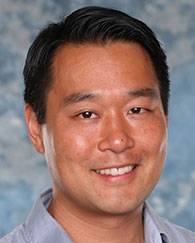
Dr. Christopher Kim
Professor; Dean of Schmid College
Chemistry, Schmid College of Science and Technology

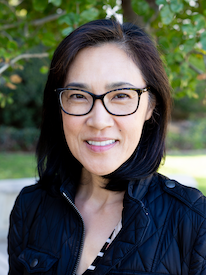
Janine Kim
Professor; Wylie A. Aitken Professor of Law, Race, and Social Justice
Law, Dale E. Fowler School of Law


Dr. Min Ju Kim
Assistant Professor; Instructional Faculty
Psychology, Crean College of Health and Behavioral Sciences

Dr. Seung Hee Kim
Associate Professor; Research Faculty; Associate Director, Center of Excellence in Earth Systems Modeling and Observations
Computational and Data Science, Schmid College of Science and Technology

Dr. Erik Kimbrough
Professor; Smith Institute for Political Economy and Philosophy
Business and Economics, The George L. Argyros College of Business and Economics

Dr. Jessica Kim-Gina
Assistant Professor
Business and Economics, The George L. Argyros College of Business and Economics


Dr. Randelle Kirkemo
Assistant Professor; Instructional Faculty
Education, Attallah College of Educational Studies
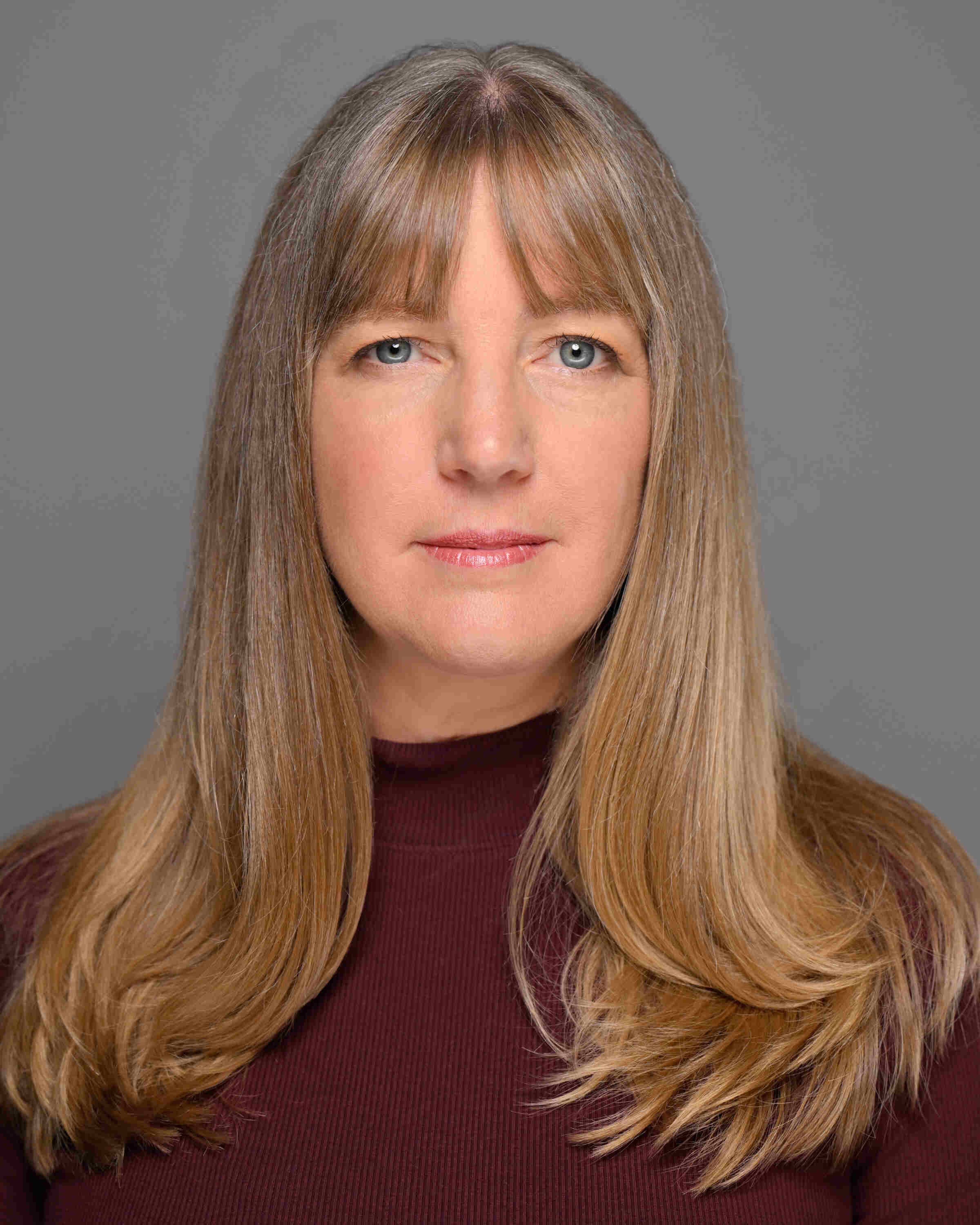


Dr. Shira Klein
Associate Professor; Chair, Department of History
History, Wilkinson College of Arts, Humanities, and Social Sciences
Dr. Naomi Kline
Assistant Professor; Instructional Faculty
Psychology, Crean College of Health and Behavioral Sciences


Travis Knox
Associate Professor; Artistic Faculty
Film and Media Arts, Lawrence and Kristina Dodge College of Film and Media Arts

Sandy Ko
Lecturer
World Languages and Cultures, Wilkinson College of Arts, Humanities, and Social Sciences

Robert Koepp
Assistant Professor; Clinical Faculty
Business and Economics, The George L. Argyros College of Business and Economics

Dr. Jeffrey Koerber
Associate Professor
History, Wilkinson College of Arts, Humanities, and Social Sciences


John Koshak
Professor and Conductor Emeritus of Music
Conservatory of Music, College of Performing Arts

David Kost
Associate Professor
Film and Media Arts, Lawrence and Kristina Dodge College of Film and Media Arts
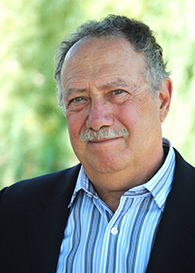
Joel Kotkin
Presidential Fellow in Urban Futures; R. Hobbs Professorship in Urban Studies
Business and Economics, The George L. Argyros College of Business and Economics

Dr. Daniel Kovenock
Professor
Economic Science Institute, General; Business and Economics, The George L. Argyros College of Business and Economics

Michael Kowalski
Professor; Senior Associate Dean of Academic Affairs
Film and Media Arts, Lawrence and Kristina Dodge College of Film and Media Arts


Dr. Arthur Kraft
Professor; George and Barbara Bush Chair in International Business
Business and Economics, The George L. Argyros College of Business and Economics
Susan Kramer
Lecturer
Communication Sciences and Disorders, Crean College of Health and Behavioral Sciences

Dr. Ashley Kranjac
Associate Professor
Sociology, Wilkinson College of Arts, Humanities, and Social Sciences

Dinko Kranjac
Lecturer
Health Sciences, Crean College of Health and Behavioral Sciences; Psychology, Crean College of Health and Behavioral Sciences
David Krinsky
Lecturer
Film and Media Arts, Lawrence and Kristina Dodge College of Film and Media Arts

William Kroyer
Professor Emeritus of Film and Media Arts
Film and Media Arts, Lawrence and Kristina Dodge College of Film and Media Arts

David Kuhn
Assistant Professor; Artistic Faculty
Film and Media Arts, Lawrence and Kristina Dodge College of Film and Media Arts

Matthew Kulewicz
Assistant Professor; Artistic Faculty
Film and Media Arts, Lawrence and Kristina Dodge College of Film and Media Arts
Dr. Alexander Kurz
Professor
Electrical Engineering and Computer Science, Fowler School of Engineering; Schmid College of Science Other Programs, Schmid College of Science and Technology


Dr. Minju Kwon
Assistant Professor
Political Science, Wilkinson College of Arts, Humanities, and Social Sciences

Dr. Sara LaBelle
Associate Professor; Assistant Dean of Academic Programs and Faculty Development
Communication Studies, School of Communication


Andrew Lane
Associate Professor
Film and Media Arts, Lawrence and Kristina Dodge College of Film and Media Arts


Carolyn Larmore
Professor; Professor of the Practice of Law; Director, Summer Externship Program
Law, Dale E. Fowler School of Law


Stephanie Lascelles
Associate Professor; Associate Professor of the Practice of Legal Research and Writing
Law, Dale E. Fowler School of Law

Edward Lavelle
Assistant Professor; Artistic Faculty
Film and Media Arts, Lawrence and Kristina Dodge College of Film and Media Arts


Fadel Lawandy
Associate Professor; Director, Hoag Center for Real Estate and Finance; Clinical Faculty
Business and Economics, The George L. Argyros College of Business and Economics


Dr. Angela Lederach
Assistant Professor
Peace Studies, Wilkinson College of Arts, Humanities, and Social Sciences

Dr. Brittany Lee
Assistant Professor
Communication Sciences and Disorders, Crean College of Health and Behavioral Sciences


Dr. Nam Lee
Associate Professor
Film and Media Arts, Lawrence and Kristina Dodge College of Film and Media Arts

Dr. Matthew Leifer
Associate Professor; Program Director for the Faculty of Physics
Physics, Schmid College of Science and Technology

Dr. Lisa Leitz
Associate Professor; Delp-Wilkinson Endowed Chair in Peace Studies; Chair, Department of Peace Studies
Peace Studies, Wilkinson College of Arts, Humanities, and Social Sciences; Sociology, Wilkinson College of Arts, Humanities, and Social Sciences


Anthony Lemus
Professor; of Practice; Director of Industry Relations in the Fowler School of Engineering
Electrical Engineering and Computer Science, Fowler School of Engineering

Heather Lenz
Lecturer
Film and Media Arts, Lawrence and Kristina Dodge College of Film and Media Arts

Daniel Leonard
Professor; Associate Dean
Film and Media Arts, Lawrence and Kristina Dodge College of Film and Media Arts

Mario Leone
Assistant Professor; Clinical Faculty
Business and Economics, The George L. Argyros College of Business and Economics

Dr. Roberta Lessor
Professor Emerita of Sociology
Sociology, Wilkinson College of Arts, Humanities, and Social Sciences; Health Sciences, Crean College of Health and Behavioral Sciences

Dr. Joanna Levin
Associate Professor; Director, MA in English
English, Wilkinson College of Arts, Humanities, and Social Sciences


Mildred Lewis
Assistant Professor; Instructional Faculty
English, Wilkinson College of Arts, Humanities, and Social Sciences

Erin Li
Assistant Professor; Artistic Faculty
Film and Media Arts, Lawrence and Kristina Dodge College of Film and Media Arts


Dr. Zhi Li
Associate Professor
Business and Economics, The George L. Argyros College of Business and Economics


Dr. Joshua Liashenko
Assistant Professor; Instructional Faculty
Sociology, Wilkinson College of Arts, Humanities, and Social Sciences


Dr. Erik Linstead
Professor
Electrical Engineering and Computer Science, Fowler School of Engineering; Pharmacy, School of Pharmacy; Business and Economics, The George L. Argyros College of Business and Economics; Communication Studies, School of Communication

Dr. Jing Liu
Lecturer
Business and Economics, The George L. Argyros College of Business and Economics

Christopher Lloyd
Instructor; Director for AACSB Accreditation Maintenance
Business and Economics, The George L. Argyros College of Business and Economics


Dr. Kyle Longley
Professor; Henry Salvatori Professor of American Values and Traditions
History, Wilkinson College of Arts, Humanities, and Social Sciences


Dr. Oliver Lopez
Associate Professor; Instructional Faculty
Mathematics, Schmid College of Science and Technology


Dr. Laura Loustau
Associate Professor
World Languages and Cultures, Wilkinson College of Arts, Humanities, and Social Sciences


Dr. Lewis Luartz
Assistant Professor; Instructional Faculty
Political Science, Wilkinson College of Arts, Humanities, and Social Sciences

Dr. Rafael Luevano
Associate Professor
Religious Studies, Wilkinson College of Arts, Humanities, and Social Sciences

Dr. L. Andrew Lyon
Professor
Electrical Engineering and Computer Science, Fowler School of Engineering; Chemistry, Schmid College of Science and Technology

Suzanne Lysak
Associate Professor
Film and Media Arts, Lawrence and Kristina Dodge College of Film and Media Arts

Dr. Allan MacVicar
Assistant Professor; Instructional Faculty
World Languages and Cultures, Wilkinson College of Arts, Humanities, and Social Sciences

CK Magliola
Instructor; Director, Women's Studies Minor
Sociology, Wilkinson College of Arts, Humanities, and Social Sciences

Dr. Rei Magosaki
Associate Professor
English, Wilkinson College of Arts, Humanities, and Social Sciences

Dr. Mark Maier
Associate Professor Emeritus of Leadership
Education, Attallah College of Educational Studies; Leadership Program, Attallah College of Educational Studies

Mario Mainero
Professor; Professor of the Practice of Academic Achievement and Bar Services; Associate Dean for Bar Preparation and Academic Achievement; The Gray Family Professor of Law
Law, Dale E. Fowler School of Law

Dr. Susan Mais
Associate Professor; Clinical Faculty
Physical Therapy, Crean College of Health and Behavioral Sciences

Dr. May Mak
Associate Professor; Pharmacy Practice; Director of Experiential Education
Pharmacy, School of Pharmacy
Philip Malamuth
Lecturer
Film and Media Arts, Lawrence and Kristina Dodge College of Film and Media Arts

Joshua Malkin
Lecturer
Film and Media Arts, Lawrence and Kristina Dodge College of Film and Media Arts
Alexia Mandeville
Lecturer
Film and Media Arts, Lawrence and Kristina Dodge College of Film and Media Arts

Dr. Uri Maoz
Associate Professor
Psychology, Crean College of Health and Behavioral Sciences; Biological Sciences, Schmid College of Science and Technology; Electrical Engineering and Computer Science, Fowler School of Engineering
Robert Margolies
Lecturer
Film and Media Arts, Lawrence and Kristina Dodge College of Film and Media Arts

Dr. Nataliya Markina
Assistant Professor; Instructional Faculty
Chemistry, Schmid College of Science and Technology
Lori Martin
Lecturer
Film and Media Arts, Lawrence and Kristina Dodge College of Film and Media Arts

Dr. Nancy Martin
Professor Emerita of Religious Studies
Religious Studies, Wilkinson College of Arts, Humanities, and Social Sciences

Francisco Martinez
Lecturer
World Languages and Cultures, Wilkinson College of Arts, Humanities, and Social Sciences


Dr. Innokentiy Maslennikov
Associate Professor; Research Faculty; Associate Vice President for Graduate Education
Pharmacy, School of Pharmacy


Dr. Sara Mattavelli
Assistant Professor; Instructional Faculty, Program Director of Italian Studies
World Languages and Cultures, Wilkinson College of Arts, Humanities, and Social Sciences


John Mattson
Lecturer
Film and Media Arts, Lawrence and Kristina Dodge College of Film and Media Arts


Richard Mays
Lecturer
Film and Media Arts, Lawrence and Kristina Dodge College of Film and Media Arts

Brenda McCabe
Lecturer
Business and Economics, The George L. Argyros College of Business and Economics


Celestine McConville
Professor; Henry Salvatori Professor of Law and Community Service
Law, Dale E. Fowler School of Law

Dr. Brennan McDavid
Assistant Professor; Smith Institute for Political Economy and Philosophy
Philosophy, Schmid College of Science and Technology
Loryn McGill
Lecturer
Communication Sciences and Disorders, Crean College of Health and Behavioral Sciences



Dr. Alireza Mehrnia
Associate Professor; Instructional Faculty
Electrical Engineering and Computer Science, Fowler School of Engineering

Dr. Reza Mehvar
Professor; Chair, Department of Biomedical and Pharmaceutical Sciences
Pharmacy, School of Pharmacy
Brett Melnick
Lecturer
Film and Media Arts, Lawrence and Kristina Dodge College of Film and Media Arts

Kevin Meredith
Lecturer
Business and Economics, The George L. Argyros College of Business and Economics

Pamela Mikkelsen
Assistant Professor
Health Sciences, Crean College of Health and Behavioral Sciences

Dr. John Miklavcic
Associate Professor
Food Science, Schmid College of Science and Technology; Pharmacy, School of Pharmacy


Dr. Roxanne Greitz Miller
Professor; Attallah College of Educational Studies; Dean, Attallah College of Educational Studies; Donna Ford Attallah Endowed Professor in Teacher Education
Education, Attallah College of Educational Studies; Schmid College of Science Other Programs, Schmid College of Science and Technology



Dr. M. Reza Mirbolooki
Associate Professor; Clinical Faculty
Physician Assistant Studies, Crean College of Health and Behavioral Sciences
Dr. Peter Mitchell
Assistant Professor
Health Sciences, Crean College of Health and Behavioral Sciences


Dr. Nasim Mohammadi Estakhri
Assistant Professor
Electrical Engineering and Computer Science, Fowler School of Engineering; Physics, Schmid College of Science and Technology

Dr. Nooshin Mohammadi Estakhri
Assistant Professor
Electrical Engineering and Computer Science, Fowler School of Engineering; Physics, Schmid College of Science and Technology
Hossein Molayemi
Lecturer
Film and Media Arts, Lawrence and Kristina Dodge College of Film and Media Arts
David Molinero Giles
Lecturer
Electrical Engineering and Computer Science, Fowler School of Engineering

Dr. Andrea Molle
Associate Professor
Political Science, Wilkinson College of Arts, Humanities, and Social Sciences; Sociology, Wilkinson College of Arts, Humanities, and Social Sciences

Chip Monaco
Lecturer
Business and Economics, The George L. Argyros College of Business and Economics
Jacob Moncrief
Lecturer
Film and Media Arts, Lawrence and Kristina Dodge College of Film and Media Arts

Dr. Hamidreza Montazeri Aliabadi
Associate Professor; Director of Graduate Programs
Pharmacy, School of Pharmacy

Dr. Judith Montgomery
Professor Emerita of Communication Sciences and Disorders
Communication Sciences and Disorders, Crean College of Health and Behavioral Sciences


Andrew Moore
Lecturer
Business and Economics, The George L. Argyros College of Business and Economics

Kirsten Moore-Sheeley
Assistant Professor
Wilkinson College Other Programs, Wilkinson College of Arts, Humanities, and Social Sciences

Dr. Amy Moors
Associate Professor
Psychology, Crean College of Health and Behavioral Sciences; Electrical Engineering and Computer Science, Fowler School of Engineering


Dr. Tony Mosconi
Professor; Instructional Faculty
Physical Therapy, Crean College of Health and Behavioral Sciences
Matthew Moser
Lecturer
Film and Media Arts, Lawrence and Kristina Dodge College of Film and Media Arts

Dr. M. Andrew Moshier
Professor; Director, Center of Excellence in Computation, Algebra & Topology
Mathematics, Schmid College of Science and Technology


Dr. Ismieal Muhsin
Associate Professor; Instructional Faculty
Electrical Engineering and Computer Science, Fowler School of Engineering

Francis Mummery
Lecturer
Business and Economics, The George L. Argyros College of Business and Economics


Manjari Murali
Assistant Professor; Instructional Faculty
Health Sciences, Crean College of Health and Behavioral Sciences; Physician Assistant Studies, Crean College of Health and Behavioral Sciences

Dr. Crystal Murphy
Associate Professor; Director, MA in International Studies Program
Political Science, Wilkinson College of Arts, Humanities, and Social Sciences

Scott Murphy
Lecturer
Film and Media Arts, Lawrence and Kristina Dodge College of Film and Media Arts

Dr. Noel Murray
Associate Professor
Business and Economics, The George L. Argyros College of Business and Economics

Dr. Niklas Myhr
Associate Professor; Clinical Faculty
Business and Economics, The George L. Argyros College of Business and Economics

Abeer Nabulsi
Lecturer
World Languages and Cultures, Wilkinson College of Arts, Humanities, and Social Sciences


Mort Nathan
Associate Professor
Film and Media Arts, Lawrence and Kristina Dodge College of Film and Media Arts

Robert Naturman
Lecturer
Film and Media Arts, Lawrence and Kristina Dodge College of Film and Media Arts


Philippa Nesbitt
Instructor
Creative and Cultural Industries, Wilkinson College of Arts, Humanities, and Social Sciences
Laurence Netherton
Lecturer
Business and Economics, The George L. Argyros College of Business and Economics




Dr. Luke Nichter
Professor; James H. Cavanaugh Endowed Chair in Presidential Studies; Director, Presidential Studies Program
Wilkinson College Other Programs, Wilkinson College of Arts, Humanities, and Social Sciences; History, Wilkinson College of Arts, Humanities, and Social Sciences


Dr. Skye Niles
Assistant Professor
Wilkinson College Other Programs, Wilkinson College of Arts, Humanities, and Social Sciences; Environmental Science, Schmid College of Science and Technology

Dr. Cristina Nistor
Associate Professor; Clinical Faculty
Business and Economics, The George L. Argyros College of Business and Economics; Economic Science Institute, General

Gregory Njoes
Instructor; Instructional Faculty
Business and Economics, The George L. Argyros College of Business and Economics

Carrie Nocella
Lecturer
Political Science, Wilkinson College of Arts, Humanities, and Social Sciences

Dr. Carlos Nunez
Assistant Professor; Clinical Faculty
Business and Economics, The George L. Argyros College of Business and Economics

Dr. Prashanth Nyer
Associate Professor
Business and Economics, The George L. Argyros College of Business and Economics

Dr. Colette O'Bannion
Assistant Professor; Instructional Faculty
Education, Attallah College of Educational Studies

Dr. Kevin O'Brien
Professor Emeritus of English and Comparative Literature
English, Wilkinson College of Arts, Humanities, and Social Sciences

Julianne O'Brien Pedersen
Professor; Associate Dean of Academic Affairs
Dance, College of Performing Arts

Dr. Christine O'Connell
Assistant Professor
Biological Sciences, Schmid College of Science and Technology

Joe Oftelie
Lecturer
Business and Economics, The George L. Argyros College of Business and Economics

Nathania Oh
Assistant Professor; Artistic Faculty
Film and Media Arts, Lawrence and Kristina Dodge College of Film and Media Arts

Dr. Kevin O'Leary
Lecturer
Political Science, Wilkinson College of Arts, Humanities, and Social Sciences; Honors Program, General

Dr. Veronique Olivier
Associate Professor; Instructional Faculty
World Languages and Cultures, Wilkinson College of Arts, Humanities, and Social Sciences

Jessica Olsen
Lecturer
Communication Sciences and Disorders, Crean College of Health and Behavioral Sciences

Dr. Giulio Ongaro
Dean Emeritus; College of Performing Arts
Conservatory of Music, College of Performing Arts

Dr. Adwoa Opong
Assistant Professor
History, Wilkinson College of Arts, Humanities, and Social Sciences


Dr. Jan Osborn
Lecturer; Associate Professor Emerita of English
English, Wilkinson College of Arts, Humanities, and Social Sciences

Amy Paap
Lecturer
Communication Sciences and Disorders, Crean College of Health and Behavioral Sciences
Dr. Federico Pacchioni
Professor; The Sebastian Paul and Marybelle Musco Chair in Italian
World Languages and Cultures, Wilkinson College of Arts, Humanities, and Social Sciences

Dr. G. Michael Pace
Associate Professor; Program Director of Philosophy
Philosophy, Schmid College of Science and Technology
Chris Pagel
Lecturer
Business and Economics, The George L. Argyros College of Business and Economics


Dr. Ana Palomar
Assistant Professor; Instructional Faculty
World Languages and Cultures, Wilkinson College of Arts, Humanities, and Social Sciences

Dr. Marco Panza
Professor; Program Director, Doctor of Science in Mathematics, Philosophy and Physics; Endowed Kennedy Chair in Philosophy
Philosophy, Schmid College of Science and Technology; Mathematics, Schmid College of Science and Technology

Dr. Keykavous Parang
Professor
Pharmacy, School of Pharmacy; Chemistry, Schmid College of Science and Technology


Dr. Janice Park
Assistant Professor; Instructional Faculty
Conservatory of Music, College of Performing Arts

Yolanda Parks
Lecturer
Film and Media Arts, Lawrence and Kristina Dodge College of Film and Media Arts


Susan Paterno
Professor; Director of the Journalism Program; Tedeschi Professorship of Journalism
English, Wilkinson College of Arts, Humanities, and Social Sciences


Dr. Beth Patrick
Assistant Professor; Clinical Faculty
Marriage and Family Therapy, Crean College of Health and Behavioral Sciences

Abigail Patthoff
Professor; Professor of the Practice of Legal Research and Writing
Law, Dale E. Fowler School of Law

Dan Pavelin
Assistant Professor; Artistic Faculty
Film and Media Arts, Lawrence and Kristina Dodge College of Film and Media Arts

Dr. Julie Payne
Assistant Professor; Clinical Faculty
Marriage and Family Therapy, Crean College of Health and Behavioral Sciences

Samantha Peale
Lecturer
Film and Media Arts, Lawrence and Kristina Dodge College of Film and Media Arts
Keir Pearson
Lecturer
Creative and Cultural Industries, Wilkinson College of Arts, Humanities, and Social Sciences

John Perez
Assistant Professor; Artistic Faculty
Film and Media Arts, Lawrence and Kristina Dodge College of Film and Media Arts

Moises Perez
Lecturer
Film and Media Arts, Lawrence and Kristina Dodge College of Film and Media Arts

Kwynn Perry
Lecturer
Film and Media Arts, Lawrence and Kristina Dodge College of Film and Media Arts

Dr. Carmichael Peters
Associate Professor Emeritus of Philosophy and Religious Studies
Honors Program, General; Philosophy, Schmid College of Science and Technology; Religious Studies, Wilkinson College of Arts, Humanities, and Social Sciences

Dr. Brennan Peterson
Professor
Marriage and Family Therapy, Crean College of Health and Behavioral Sciences; Psychology, Crean College of Health and Behavioral Sciences

Dr. Brad Petitfils
Vice Provost for Undergraduate Education and Student Success
Wilkinson College Other Programs, Wilkinson College of Arts, Humanities, and Social Sciences
Dr. Bojan Petrovic
Lecturer
Peace Studies, Wilkinson College of Arts, Humanities, and Social Sciences
Dr. Sarah Petry
Assistant Professor; Instructional Faculty
Health Sciences, Crean College of Health and Behavioral Sciences

Thomas Peyton
Lecturer
Business and Economics, The George L. Argyros College of Business and Economics
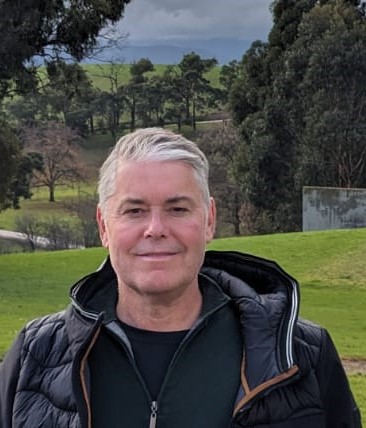
Dr. Glenn Pfeiffer
Professor; Warren and Doris Uehlinger Endowed Professor of Business
Business and Economics, The George L. Argyros College of Business and Economics
Amanda Pham
Lecturer
Film and Media Arts, Lawrence and Kristina Dodge College of Film and Media Arts


Dr. Thomas Piechota
Professor; Senior Advisor at the Fowler School of Engineering; Co-Director of the Grand Challenges Initiative
Electrical Engineering and Computer Science, Fowler School of Engineering; Environmental Science, Schmid College of Science and Technology
Dr. David Pincus
Professor; Chair of Psychology
Psychology, Crean College of Health and Behavioral Sciences

Manuel Plank-Jorge
Lecturer
Film and Media Arts, Lawrence and Kristina Dodge College of Film and Media Arts

Dr. Dustin Plantholt
Lecturer
Business and Economics, The George L. Argyros College of Business and Economics
Eric Ploessel
Director, Aquatics; Head Coach, Water Polo; Assistant Coach, Swimming
Physical Activity, General
Stuart Pollok
Lecturer
Film and Media Arts, Lawrence and Kristina Dodge College of Film and Media Arts

Dr. David Porter
Professor; Donna and David Janes Endowed Chair in Experimental Economics
Economic Science Institute, General; Mathematics, Schmid College of Science and Technology; Business and Economics, The George L. Argyros College of Business and Economics

Diana Potterveld
Lecturer
Physician Assistant Studies, Crean College of Health and Behavioral Sciences
Amber Power
Lecturer
Film and Media Arts, Lawrence and Kristina Dodge College of Film and Media Arts


Tom Provost
Assistant Professor; Artistic Faculty
Film and Media Arts, Lawrence and Kristina Dodge College of Film and Media Arts
Dr. Tatiana Prytkova
Professor; Research Faculty
Chemistry, Schmid College of Science and Technology
Thomas Ptasinski
Lecturer
Film and Media Arts, Lawrence and Kristina Dodge College of Film and Media Arts
Michelle Pulfrey
Lecturer
Film and Media Arts, Lawrence and Kristina Dodge College of Film and Media Arts

Dr. Trudi Qi
Assistant Professor
Electrical Engineering and Computer Science, Fowler School of Engineering
Dr. Chuan Qin
Assistant Professor; Clinical Faculty
Business and Economics, The George L. Argyros College of Business and Economics

Dr. Atanas Radenski
Professor Emeritus of Computer Science
Computational and Data Science, Schmid College of Science and Technology
Dr. Mohammad Rafi
Lecturer
World Languages and Cultures, Wilkinson College of Arts, Humanities, and Social Sciences
Dr. Cyril Rakovski
Professor; Program Director for the Faculty of CADS
Mathematics, Schmid College of Science and Technology

Jennifer Ramos
Lecturer
Physician Assistant Studies, Crean College of Health and Behavioral Sciences


Dr. Stephen Rassenti
Professor; Director, The Economic Science Institute
Economic Science Institute, General; Mathematics, Schmid College of Science and Technology; Business and Economics, The George L. Argyros College of Business and Economics
Jennifer Rawson
Lecturer
Physician Assistant Studies, Crean College of Health and Behavioral Sciences

Rick Rayson
Lecturer
Business and Economics, The George L. Argyros College of Business and Economics

Morgan Read-Davidson
Associate Professor; Instructional Faculty
English, Wilkinson College of Arts, Humanities, and Social Sciences
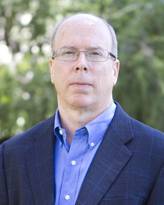
Dr. Richard Redding
Professor; Ronald D. Rotunda Distinguished Professor of Jurisprudence; Associate Dean for Academic Affairs
Law, Dale E. Fowler School of Law; Psychology, Crean College of Health and Behavioral Sciences
Joshua Reed
Lecturer
Film and Media Arts, Lawrence and Kristina Dodge College of Film and Media Arts
Brent Regan
Lecturer
Film and Media Arts, Lawrence and Kristina Dodge College of Film and Media Arts


Dr. Karl Reitz
Professor Emeritus of Computer Science, Mathematics, and Sociology
Mathematics, Schmid College of Science and Technology; Sociology, Wilkinson College of Arts, Humanities, and Social Sciences


Ray Richmond
Lecturer
Film and Media Arts, Lawrence and Kristina Dodge College of Film and Media Arts
Ashley Richter
Lecturer
Communication Sciences and Disorders, Crean College of Health and Behavioral Sciences

Dr. Hannah Ridge
Assistant Professor
Political Science, Wilkinson College of Arts, Humanities, and Social Sciences

Dr. Nancy Rios-Contreras
Assistant Professor
Sociology, Wilkinson College of Arts, Humanities, and Social Sciences

Susanna Ripken
Professor; William P. Foley II Chair in Corporate Law and Taxation
Law, Dale E. Fowler School of Law; Wilkinson College Other Programs, Wilkinson College of Arts, Humanities, and Social Sciences


Dr. Jennifer Robinette
Assistant Professor
Psychology, Crean College of Health and Behavioral Sciences


Benjamin-Shalom Rodriguez
Lecturer
Film and Media Arts, Lawrence and Kristina Dodge College of Film and Media Arts
Dr. Jorge Rodriguez
Assistant Professor; Instructional Faculty
Education, Attallah College of Educational Studies

Dr. Ian Romain
Assistant Professor; Instructional Faculty
World Languages and Cultures, Wilkinson College of Arts, Humanities, and Social Sciences; Communication Studies, School of Communication
Miguel Romera Alvarez
Lecturer
World Languages and Cultures, Wilkinson College of Arts, Humanities, and Social Sciences

Emmanuel Romero
Lecturer
Marriage and Family Therapy, Crean College of Health and Behavioral Sciences


Joseph Rosenberg
Associate Professor; Artistic Faculty
Film and Media Arts, Lawrence and Kristina Dodge College of Film and Media Arts


Jason Rosenfield
Assistant Professor; Artistic Faculty
Film and Media Arts, Lawrence and Kristina Dodge College of Film and Media Arts

Bill Rosenthal
Assistant Professor; Artistic Faculty
Film and Media Arts, Lawrence and Kristina Dodge College of Film and Media Arts


Kyndra Rotunda
Professor; Professor of Military and International Law; Executive Director, Military and Veterans Law Institute
Wilkinson College Other Programs, Wilkinson College of Arts, Humanities, and Social Sciences

Veston Rowe
Professor; Artistic Faculty
Film and Media Arts, Lawrence and Kristina Dodge College of Film and Media Arts
Dr. Melissa Rowland-Goldsmith
Professor; Faculty Fellow, Center for Excellence in Teaching and Learning; Instructional Faculty
Biological Sciences, Schmid College of Science and Technology; Health Sciences, Crean College of Health and Behavioral Sciences
Jeremy Royce
Assistant Professor
Film and Media Arts, Lawrence and Kristina Dodge College of Film and Media Arts
Abby Rozenberg
Lecturer
Communication Sciences and Disorders, Crean College of Health and Behavioral Sciences
Dr. Jared Rubin
Professor; Co-Director, Institute for the Study of Religion, Economics, and Society
Business and Economics, The George L. Argyros College of Business and Economics

Sally Rubin
Associate Professor
Film and Media Arts, Lawrence and Kristina Dodge College of Film and Media Arts
Andrew Ruiz
Lecturer
Film and Media Arts, Lawrence and Kristina Dodge College of Film and Media Arts

Dr. Richard Ruppel
Professor
English, Wilkinson College of Arts, Humanities, and Social Sciences; Peace Studies, Wilkinson College of Arts, Humanities, and Social Sciences


Dr. Jason Ryan
Lecturer; Clinical Faculty
Business and Economics, The George L. Argyros College of Business and Economics
Mary Lee Ryan
Professor; Professor of the Practice of Entertainment Law; Director of Entertainment Law Program
Law, Dale E. Fowler School of Law

Ivon Saldana
Lecturer
World Languages and Cultures, Wilkinson College of Arts, Humanities, and Social Sciences

Stephanie Saldivar
Associate Professor; Director of Clinical Education, MMS PA Studies Program; Clinical Faculty
Physician Assistant Studies, Crean College of Health and Behavioral Sciences
Dr. Wendy Salmond
Professor; Martha Weidlein Masters Professor in Art
Art, Wilkinson College of Arts, Humanities, and Social Sciences

Dr. Natalia Sanchez Aldana
Assistant Professor
Physical Therapy, Crean College of Health and Behavioral Sciences; Electrical Engineering and Computer Science, Fowler School of Engineering

Joseph Sapp
Lecturer; Instructional Faculty
Biological Sciences, Schmid College of Science and Technology
Mark Saraceni
Lecturer
Film and Media Arts, Lawrence and Kristina Dodge College of Film and Media Arts
Kristianna Sarkan
Assistant Professor; Instructional Faculty
Biological Sciences, Schmid College of Science and Technology

Dr. Steven Schandler
Professor Emeritus of Psychology
Psychology, Crean College of Health and Behavioral Sciences
Sonja Schenk
Lecturer
Film and Media Arts, Lawrence and Kristina Dodge College of Film and Media Arts

James Schlenker
Lecturer
Film and Media Arts, Lawrence and Kristina Dodge College of Film and Media Arts

Dr. Eric Schniter
Visiting Professor; Research Faculty
Economic Science Institute, General; Psychology, Crean College of Health and Behavioral Sciences; Business and Economics, The George L. Argyros College of Business and Economics

Dr. Elaine Schwartz
Professor; Assistant Dean, External Relations; Co-Program Director of the Faculty for Chemistry and Biochemistry; Instructional Faculty
Chemistry, Schmid College of Science and Technology

Jacob Schwartz
Lecturer
Physician Assistant Studies, Crean College of Health and Behavioral Sciences

Russell Schwartz
Associate Professor
Film and Media Arts, Lawrence and Kristina Dodge College of Film and Media Arts

Dr. Emmanuelle Schwartzman
Professor; Chair, Department of Pharmacy Practice
Pharmacy, School of Pharmacy
Nathan Scoggins
Lecturer
Film and Media Arts, Lawrence and Kristina Dodge College of Film and Media Arts

Dr. Zed Sehyr
Assistant Professor
Communication Sciences and Disorders, Crean College of Health and Behavioral Sciences

Dr. Matthew Selove
Associate Professor
Business and Economics, The George L. Argyros College of Business and Economics

Dr. Enrique Seoane-Vazquez
Professor
Pharmacy, School of Pharmacy; Economic Science Institute, General

Dr. Paul Seydor
Professor
Film and Media Arts, Lawrence and Kristina Dodge College of Film and Media Arts
Dr. Raymond Sfeir
Professor; Vice Provost for Academic Administration; Director, Anderson Center for Economic Research; A. Gary Anderson Chair of Economic Analysis
Business and Economics, The George L. Argyros College of Business and Economics

Dr. Mona Shadia
Lecturer
Political Science, Wilkinson College of Arts, Humanities, and Social Sciences


Dr. David Shafie
Associate Professor; Chair, Department of Political Science
Political Science, Wilkinson College of Arts, Humanities, and Social Sciences


Dr. Connie Shears
Professor Emerita of Psychology
Psychology, Crean College of Health and Behavioral Sciences



Dr. Carolyn Sherff
Associate Professor; Instructional Faculty
Biological Sciences, Schmid College of Science and Technology

Dr. Kimberly Shibuya
Assistant Professor; Clinical Faculty
Physical Therapy, Crean College of Health and Behavioral Sciences

Dr. Timothy Shields
Associate Professor
Business and Economics, The George L. Argyros College of Business and Economics; Economic Science Institute, General

Dr. Moonsik Shin
Assistant Professor
Business and Economics, The George L. Argyros College of Business and Economics


Thomas Shirey
Instructor; Instructional Faculty
Mathematics, Schmid College of Science and Technology

Dr. Tal Shoshani
Assistant Professor
Business and Economics, The George L. Argyros College of Business and Economics

Dr. Pradip Shukla
Associate Professor; The Shah Family Endowed Chair in Innovativeness
Business and Economics, The George L. Argyros College of Business and Economics

Allison Silver Adams
Lecturer
Film and Media Arts, Lawrence and Kristina Dodge College of Film and Media Arts


David Singh
Assistant Professor; Artistic Faculty
Film and Media Arts, Lawrence and Kristina Dodge College of Film and Media Arts

Dr. Charu Sinha
Associate Professor; Academic Director of the MS in Business Analytics Program; Clinical Faculty
Business and Economics, The George L. Argyros College of Business and Economics

Dr. Mark Skousen
Instructor; Presidential Fellow in Business; Doti-Spogli Endowed Chair of Free Enterprise
Business and Economics, The George L. Argyros College of Business and Economics
Kamelia Slankard
Lecturer
Communication Sciences and Disorders, Crean College of Health and Behavioral Sciences


Joe Slowensky
Professor
Film and Media Arts, Lawrence and Kristina Dodge College of Film and Media Arts

Dr. Carla Smith
Assistant Professor; Instructional Faculty
Education, Attallah College of Educational Studies

Dr. Dani Smith
Peace Studies, Wilkinson College of Arts, Humanities, and Social Sciences; Sociology, Wilkinson College of Arts, Humanities, and Social Sciences

Dr. Jo Armour Smith
Associate Professor
Physical Therapy, Crean College of Health and Behavioral Sciences
Dr. Vernon Smith
Professor; George L. Argyros Endowed Chair in Finance and Economics, Professor of Economics and Law; Smith Institute for Political Economy and Philosophy
Economic Science Institute, General; Law, Dale E. Fowler School of Law; Business and Economics, The George L. Argyros College of Business and Economics
Dr. Fred Smoller
Associate Professor
Political Science, Wilkinson College of Arts, Humanities, and Social Sciences

Dr. Karen Snedker
Associate Professor
Sociology, Wilkinson College of Arts, Humanities, and Social Sciences

Mara Snee
Associate Professor; Director, Academic Education and Assessment, MMS PA Studies Program; Clinical Faculty
Physician Assistant Studies, Crean College of Health and Behavioral Sciences

Dr. Rahul Soangra
Associate Professor
Physical Therapy, Crean College of Health and Behavioral Sciences; Electrical Engineering and Computer Science, Fowler School of Engineering


Anita Sokolsky
Lecturer
Business and Economics, The George L. Argyros College of Business and Economics

Dr. Suzanne SooHoo
Professor Emerita of Education
Education, Attallah College of Educational Studies
Luisa Spanu
Lecturer
World Languages and Cultures, Wilkinson College of Arts, Humanities, and Social Sciences

Dr. Lisa Sparks
Professor; Foster and Mary McGaw Endowed Professor in Behavioral Sciences
Health and Strategic Communication, School of Communication; Pharmacy, School of Pharmacy; Health Sciences, Crean College of Health and Behavioral Sciences; Communication Studies, School of Communication
Jenna Spence
Lecturer
Film and Media Arts, Lawrence and Kristina Dodge College of Film and Media Arts

Dr. Tom Springer
Assistant Professor
Electrical Engineering and Computer Science, Fowler School of Engineering

Kenneth Stahl
Professor; Interim Dean, Fowler School of Law; Director, Environmental Land Use and Real Estate Law Program
Law, Dale E. Fowler School of Law

Jeffrey Stanzler
Lecturer
Film and Media Arts, Lawrence and Kristina Dodge College of Film and Media Arts
Dr. Gail Stearns
Dean Emerita of the Wallace All Faiths Chapel
Religious Studies, Wilkinson College of Arts, Humanities, and Social Sciences


Dr. Sam Stein
Assistant Professor; Instructional Faculty
Environmental Science, Schmid College of Science and Technology

Dr. Ronald Steiner
Professor; Director, University Pre-Law Advisor, Instructional Faculty
Political Science, Wilkinson College of Arts, Humanities, and Social Sciences

Dr. Jessica Sternfeld
Professor; Chair, Hall-Musco Conservatory of Music
Conservatory of Music, College of Performing Arts


Dr. Elizabeth Stevens
Associate Professor; Instructional Faculty
Electrical Engineering and Computer Science, Fowler School of Engineering
Dr. Kevin Stockbridge
Wilkinson College Other Programs, Wilkinson College of Arts, Humanities, and Social Sciences

Mayngan Stone
Assistant Professor; Clinical Faculty
Physician Assistant Studies, Crean College of Health and Behavioral Sciences
Tyler Straessle
Lecturer
Film and Media Arts, Lawrence and Kristina Dodge College of Film and Media Arts


William Stribling
Lecturer
Film and Media Arts, Lawrence and Kristina Dodge College of Film and Media Arts

Dr. Daniele Struppa
Professor; President Emeritus; Parker Kennedy Chair in Mathematics
Mathematics, Schmid College of Science and Technology


Dr. Trisha Sugita
Associate Professor; Director of Teacher Education; Instructional Faculty
Education, Attallah College of Educational Studies
Jonathan Sullivan
Lecturer
Business and Economics, The George L. Argyros College of Business and Economics
Dr. Kenneth Sumida
Professor; Warren D. Hancock Endowed Chair in Natural Sciences
Health Sciences, Crean College of Health and Behavioral Sciences; Biological Sciences, Schmid College of Science and Technology


Teresa Sweet
Instructor
World Languages and Cultures, Wilkinson College of Arts, Humanities, and Social Sciences

Jeff Swimmer
Professor; Artistic Faculty
Film and Media Arts, Lawrence and Kristina Dodge College of Film and Media Arts

Jennifer Swisher
Assistant Professor; Clinical Faculty
Physician Assistant Studies, Crean College of Health and Behavioral Sciences

Matthew Tabak
Lecturer
Film and Media Arts, Lawrence and Kristina Dodge College of Film and Media Arts

Ido Tadmor
Instructor; Presidential Fellow of Dance
Dance, College of Performing Arts; Dance, College of Performing Arts
Dr. Reza Taheri
Professor; Pharmacy Practice; Senior Associate Dean of Pharmacy Education
Pharmacy, School of Pharmacy

Dr. Stephanie Takaragawa
Associate Professor; Associate Dean for Academic Programs
Sociology, Wilkinson College of Arts, Humanities, and Social Sciences

Mano Takegami
Lecturer
World Languages and Cultures, Wilkinson College of Arts, Humanities, and Social Sciences
Claudine Talamayan
Lecturer
Communication Sciences and Disorders, Crean College of Health and Behavioral Sciences
Alireza Talebi
Assistant Professor; Clinical Faculty
Business and Economics, The George L. Argyros College of Business and Economics


Kimberly Tan
Lecturer
Communication Sciences and Disorders, Crean College of Health and Behavioral Sciences
Brad Tanenbaum
Lecturer
Film and Media Arts, Lawrence and Kristina Dodge College of Film and Media Arts

Aubrey Tang
Lecturer
Film and Media Arts, Lawrence and Kristina Dodge College of Film and Media Arts
Dr. Richelle Tanner
Assistant Professor; Co-Director for the Faculty of Environmental Science and Policy
Environmental Science, Schmid College of Science and Technology; Wilkinson College Other Programs, Wilkinson College of Arts, Humanities, and Social Sciences

Thomas Tanquary
Lecturer
Film and Media Arts, Lawrence and Kristina Dodge College of Film and Media Arts

Dr. Dillon Tauzin
Assistant Professor; Clinical Faculty
Business and Economics, The George L. Argyros College of Business and Economics

Roxane Teboul
Instructor; Director, French Program
World Languages and Cultures, Wilkinson College of Arts, Humanities, and Social Sciences


Kathryn Thibault
Associate Professor; Artistic Faculty
Film and Media Arts, Lawrence and Kristina Dodge College of Film and Media Arts

Dr. Louise Thomas
Professor; Associate Vice Provost for Undergraduate Education and Student Success
Conservatory of Music, College of Performing Arts


Dr. Charissa Threat
Associate Professor; Associate Dean for Students and Faculty Advancement
History, Wilkinson College of Arts, Humanities, and Social Sciences

Dr. Lynn Tierney
Lecturer; Professor Emerita of Physical Therapy
Physical Therapy, Crean College of Health and Behavioral Sciences
Alexander Tocho
Lecturer
Film and Media Arts, Lawrence and Kristina Dodge College of Film and Media Arts
Dr. Jeff Tollaksen
Professor; Co-Director, Institute of Quantum Studies
Physics, Schmid College of Science and Technology

Marshall Toplansky
Associate Professor; Clinical Faculty
Business and Economics, The George L. Argyros College of Business and Economics

Christopher Tornow
Lecturer
Film and Media Arts, Lawrence and Kristina Dodge College of Film and Media Arts


Dr. Criselda Toto Pacioles
Associate Professor; Instructional Faculty; Associate Program Director for the Faculty of Mathematics
Mathematics, Schmid College of Science and Technology

Dr. Jennifer Totonchy
Associate Professor; Associate Dean of Research and Graduate Studies
Pharmacy, School of Pharmacy
Dr. Amjad Toukan
Lecturer
Business and Economics, The George L. Argyros College of Business and Economics

John Trafton
Lecturer
Film and Media Arts, Lawrence and Kristina Dodge College of Film and Media Arts




Christopher Trela
Assistant Professor; Artistic Faculty
Film and Media Arts, Lawrence and Kristina Dodge College of Film and Media Arts
Pinar Tremblay
Lecturer
Political Science, Wilkinson College of Arts, Humanities, and Social Sciences

Dr. Regina Trevino
Lecturer
Business and Economics, The George L. Argyros College of Business and Economics


Kate Trumbull-LaValle
Assistant Professor; Artistic Faculty
Film and Media Arts, Lawrence and Kristina Dodge College of Film and Media Arts

Nadine Truong
Lecturer
Film and Media Arts, Lawrence and Kristina Dodge College of Film and Media Arts

Dr. Walter Tschacher
Professor
World Languages and Cultures, Wilkinson College of Arts, Humanities, and Social Sciences


Dr. Francis Tuggle
Professor Emeritus of Management Science
Business and Economics, The George L. Argyros College of Business and Economics

Dr. Tom Turk
Professor; Interim Dean of Argyros College of Business and Economics
Business and Economics, The George L. Argyros College of Business and Economics

Richard Turner
Professor Emeritus of Art
Art, Wilkinson College of Arts, Humanities, and Social Sciences
Kate Tuxford
Lecturer
Film and Media Arts, Lawrence and Kristina Dodge College of Film and Media Arts

Kim Tyler
Associate Professor; Associate Professor of the Practice of Entertainment Law
Law, Dale E. Fowler School of Law

Matthew Tymann
Assistant Professor; Assistant Professor of the Practice of Legal Research and Writing
Law, Dale E. Fowler School of Law


Yoshiko Uchida
Instructor
World Languages and Cultures, Wilkinson College of Arts, Humanities, and Social Sciences


Dr. Hilmi Ulas
Assistant Professor
Peace Studies, Wilkinson College of Arts, Humanities, and Social Sciences
Valerie Joy Uy
Lecturer
Marriage and Family Therapy, Crean College of Health and Behavioral Sciences
Dr. Adrian Vajiac
Associate Professor; Program Director for the Faculty of Mathematics
Mathematics, Schmid College of Science and Technology
Dr. Mihaela Vajiac
Professor; Program Director for the Faculty of Mathematics
Mathematics, Schmid College of Science and Technology

Dr. Michael Valdez Moses
Professor; Smith Institute for Political Economy and Philosophy
Business and Economics, The George L. Argyros College of Business and Economics

Dr. Pilar Valenzuela
Professor
World Languages and Cultures, Wilkinson College of Arts, Humanities, and Social Sciences

Dr. Martin Valle
Assistant Professor; Instructional Faculty
World Languages and Cultures, Wilkinson College of Arts, Humanities, and Social Sciences

Dr. Bas van der Vossen
Professor; Director, Law and the Liberal Arts Minor; Smith Institute for Political Economy and Philosophy
Philosophy, Schmid College of Science and Technology

Dr. Justine Van Meter
Associate Professor; Instructional Faculty
English, Wilkinson College of Arts, Humanities, and Social Sciences
Vance Van Petten
Lecturer
Film and Media Arts, Lawrence and Kristina Dodge College of Film and Media Arts


Jonathan Vandergriff
Lecturer; Instructional Faculty
Film and Media Arts, Lawrence and Kristina Dodge College of Film and Media Arts
Dr. Gennady Verkhivker
Professor
Computational and Data Science, Schmid College of Science and Technology; Pharmacy, School of Pharmacy
Leo Vershel
Lecturer
Business and Economics, The George L. Argyros College of Business and Economics

Dr. Casey Vogel
Associate Professor; Clinical Faculty
Physical Therapy, Crean College of Health and Behavioral Sciences


Dr. Marc Voss
Lecturer
Sociology, Wilkinson College of Arts, Humanities, and Social Sciences; World Languages and Cultures, Wilkinson College of Arts, Humanities, and Social Sciences
Cynthia Wade
Lecturer
Film and Media Arts, Lawrence and Kristina Dodge College of Film and Media Arts

Dr. Nicole Wagner
Associate Professor; Director of Experiential Education; Instructional Faculty
Electrical Engineering and Computer Science, Fowler School of Engineering


Dr. Dylan Walker
Associate Professor
Business and Economics, The George L. Argyros College of Business and Economics

Dr. Jessica Walker
Associate Professor; Instructional Faculty
Psychology, Crean College of Health and Behavioral Sciences

Lori Wallace
Lecturer
Communication Sciences and Disorders, Crean College of Health and Behavioral Sciences
Nathan Wallace
Lecturer
Political Science, Wilkinson College of Arts, Humanities, and Social Sciences

Anne Walsh
Professor; Clinical Faculty
Physician Assistant Studies, Crean College of Health and Behavioral Sciences

Dr. Justin St. P. Walsh
Professor; of Art History, Archaeology, and Space Studies
Art, Wilkinson College of Arts, Humanities, and Social Sciences

Richard Wang
Lecturer
Film and Media Arts, Lawrence and Kristina Dodge College of Film and Media Arts


Dr. Yiran Wang
Assistant Professor; Instructional Faculty
Chemistry, Schmid College of Science and Technology

Dr. Mitchell Warachka
Professor
Business and Economics, The George L. Argyros College of Business and Economics

David Ward
Professor
Film and Media Arts, Lawrence and Kristina Dodge College of Film and Media Arts

Dr. Gregory Warren
Assistant Professor; Instructional Faculty
Education, Attallah College of Educational Studies

Dr. Jillian Warren
Assistant Professor
Art, Wilkinson College of Arts, Humanities, and Social Sciences
Madeline Warren
Associate Professor; Artistic Faculty
Film and Media Arts, Lawrence and Kristina Dodge College of Film and Media Arts

Dr. Virginia Warren
Professor
Philosophy, Schmid College of Science and Technology; Peace Studies, Wilkinson College of Arts, Humanities, and Social Sciences
Dr. Joseph Waterton
Assistant Professor; Instructional Faculty
Biological Sciences, Schmid College of Science and Technology


Joe Weatherly
Lecturer
Film and Media Arts, Lawrence and Kristina Dodge College of Film and Media Arts

Dr. Andrea Weber
Associate Professor; Instructional Faculty; Assistant Dean of Academic Advising and Student Affairs
Communication Studies, School of Communication

Dr. Keith Weber
Professor; Interim Dean for the School of Communication
Communication Studies, School of Communication


Dr. Marc Weidenmier
Professor
Business and Economics, The George L. Argyros College of Business and Economics
Dr. Jonathan Weinberger
Assistant Professor
Electrical Engineering and Computer Science, Fowler School of Engineering; Schmid College of Science Other Programs, Schmid College of Science and Technology

Dr. Phil Weir-Mayta
Assistant Professor; Clinical Faculty; Director of Clinical Education
Communication Sciences and Disorders, Crean College of Health and Behavioral Sciences
Michael Weiss
Lecturer
Film and Media Arts, Lawrence and Kristina Dodge College of Film and Media Arts

Peter Weitzner
Lecturer
Film and Media Arts, Lawrence and Kristina Dodge College of Film and Media Arts

Dr. Daniel Wellman
Professor Emeritus of Chemistry
Chemistry, Schmid College of Science and Technology

Dr. Yuxin Wen
Assistant Professor
Electrical Engineering and Computer Science, Fowler School of Engineering

Dr. Clinton Westervelt
Professor Emeritus of Biological Sciences
Biological Sciences, Schmid College of Science and Technology


Courtney White
Lecturer
Film and Media Arts, Lawrence and Kristina Dodge College of Film and Media Arts

Dr. Tara Widner
Associate Professor; Instructional Faculty, and Director of Leadership Studies Programs
Education, Attallah College of Educational Studies
Michelle Wiley
Lecturer
Communication Sciences and Disorders, Crean College of Health and Behavioral Sciences


Dr. Donna Williams Hill
Lecturer
Food Science, Schmid College of Science and Technology; Biological Sciences, Schmid College of Science and Technology
George Willis
Professor; Clinical Faculty; Director of the Tax Clinic
Law, Dale E. Fowler School of Law

Dr. Bart Wilson
Professor; Donald P. Kennedy Chair in Economics and Law
Economic Science Institute, General; Law, Dale E. Fowler School of Law; Business and Economics, The George L. Argyros College of Business and Economics

Dr. Caroline Wilson
Professor; Instructional Faculty; Associate Dean; Clinical & Instructional Faculty Director of Interdisplinary Programs and Neuroscience Minor
Health Sciences, Crean College of Health and Behavioral Sciences

Heather Witcher
Lecturer
Marriage and Family Therapy, Crean College of Health and Behavioral Sciences

Paul Wolansky
Associate Professor
Film and Media Arts, Lawrence and Kristina Dodge College of Film and Media Arts
Dr. Tekle Woldemikael
Professor Emeritus of Sociology
Sociology, Wilkinson College of Arts, Humanities, and Social Sciences

Dr. Andrea Wolfs
Assistant Professor; Instructional Faculty
Psychology, Crean College of Health and Behavioral Sciences
Kimberly-Rose Wolter
Lecturer
Film and Media Arts, Lawrence and Kristina Dodge College of Film and Media Arts

Dr. Jillian Wood
Associate Professor; Instructional Faculty; Associate Dean for Academic Affairs and Director of Undergraduate Education Programs
Education, Attallah College of Educational Studies

Dr. Michael Wood
Assistant Professor; Instructional Faculty; Director, Japanese Studies Program
World Languages and Cultures, Wilkinson College of Arts, Humanities, and Social Sciences

Dr. William Wright
Associate Professor
Biological Sciences, Schmid College of Science and Technology

Dr. Jinhui Wu
Assistant Professor
World Languages and Cultures, Wilkinson College of Arts, Humanities, and Social Sciences


Dr. Shyh-Wei Yang
Assistant Professor; Instructional Faculty
Sociology, Wilkinson College of Arts, Humanities, and Social Sciences


Dr. Susan Yang
Professor
Physics, Schmid College of Science and Technology; Biological Sciences, Schmid College of Science and Technology

Dr. Vivian Yan-Gonzalez
Assistant Professor
Wilkinson College Other Programs, Wilkinson College of Arts, Humanities, and Social Sciences

Dr. Candace Ybarra
Associate Professor
Business and Economics, The George L. Argyros College of Business and Economics

Dr. Myron Yeager
Professor Emeritus of English
English, Wilkinson College of Arts, Humanities, and Social Sciences


Cameron Young
Lecturer
Film and Media Arts, Lawrence and Kristina Dodge College of Film and Media Arts

Dr. Emmanuel Yung
Assistant Professor; Clinical Faculty
Physical Therapy, Crean College of Health and Behavioral Sciences
Anna Zak
Lecturer
Communication Sciences and Disorders, Crean College of Health and Behavioral Sciences

Dr. Cassandra Zalman
Associate Professor; Instructional Faculty
Biological Sciences, Schmid College of Science and Technology

Dr. Amy Zeng
Professor; Dean of Argyros College of Business and Economics
Business and Economics, The George L. Argyros College of Business and Economics
Dr. Peiyi Zhao
Associate Professor
Electrical Engineering and Computer Science, Fowler School of Engineering

Dr. Mohammad Zia
Associate Professor
Business and Economics, The George L. Argyros College of Business and Economics
Gregory Zikos
Lecturer
Business and Economics, The George L. Argyros College of Business and Economics

