

Changing Education. Changing the World.
The Attallah College of Educational Studies faculty, supported by four professional accreditations, strives to make a more just world through their teaching, scholarship, and collaboration
with local communities.
The Attallah College offers undergraduate major and minor programs in liberal studies, community educational studies
and leadership, teacher preparation, and school-based mental health practitioner programs, and a Ph.D. in Education.

At Chapman University’s Attallah College of Educational Studies, our undergraduate programs combine academic coursework with hands-on experience to prepare future educators and changemakers. You’ll gain the skills and knowledge needed to make a lasting impact in schools and community settings.

Attallah College offers integrated pathways that let undergraduates begin graduate coursework in Teacher Education or Leadership Development while earning their bachelor’s degree, leading to a master’s degree and teaching credential or M.A. in Leadership within one year of graduation.

Our graduate programs are designed to provide advanced professional training for meaningful work in schools and communities. Explore our combined teaching credential options, master’s degrees, and doctoral program to find the right path for your career in education.
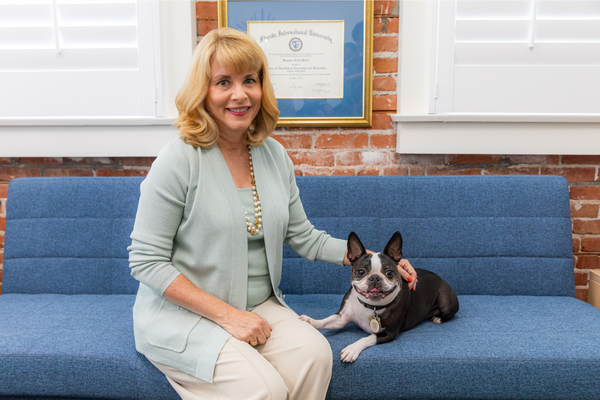

Discover the people and stories driving meaningful change in education. The Attallah College Newsroom features stories on our faculty, students, and alumni, highlighting their impact in classrooms, communities, and beyond.


Attallah College's goal is to improve educational experiences and enhance academic achievement, while providing Chapman students with real-world experience and positively impacting local K-12 students and the broader community.

In keeping with our mission to develop skillful leadership and serve the community, the Attallah College of Educational Studies hosts numerous of events throughout the year, involving students, faculty, alumni, local educators, and the general public.

The Attallah College of Educational Studies at Chapman University strives to provide the skills and knowledge to develop socially responsible future educators, leaders, and community advocates. Learn how you can make a lasting gift.